What Are the Best Display Boxes from China?

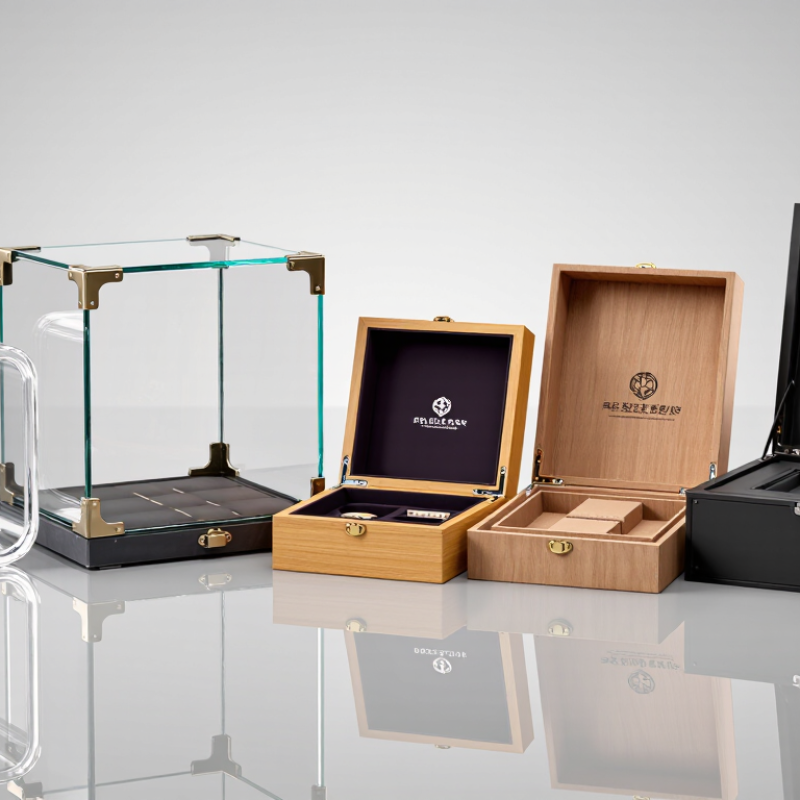
Choosing the best display boxes from China requires more than comparing prices or browsing polished product photos. The right box must protect the item, present it clearly, and match the buyer’s retail environment. China offers extensive manufacturing options, including acrylic cases, glass showcases, wooden presentation boxes, cardboard packaging, and custom metal designs. Each material creates a different customer experience. Clear acrylic suits collectibles and cosmetics. Tempered glass adds weight and a premium feel. Wood brings warmth to jewelry, tea, and handcrafted products.

Quality becomes visible in small details. Check whether acrylic edges are smooth and evenly polished. Inspect hinges, magnets, locks, printing, and inner padding. A sample should survive repeated opening and closing without looseness. Ask the supplier about material specifications, production tolerances, packaging methods, and quality inspections. Experienced buyers should request photos from the production line, not only finished catalog images. Independent testing may also help when safety, durability, or material claims matter.

The “best” option is not always the cheapest. It depends on product weight, display location, shipping distance, target customers, and expected service life. A low-cost box can become expensive after scratched surfaces, broken corners, or inconsistent color appear. Still, supplier descriptions are not enough. Even reliable factories may misunderstand dimensions or branding instructions. Measure twice. Approve a physical sample. Keep written specifications.

This guide compares practical choices, common weaknesses, customization possibilities, and sourcing considerations. It aims to help retailers, distributors, and brands make a more informed decision. The final choice should balance appearance, protection, consistency, and total cost. Fancy designs can fail. Simple boxes sometimes perform better.

What Are the Best Display Boxes from China?

Types of Display Boxes Made in China

What Are the Best Display Boxes from China?

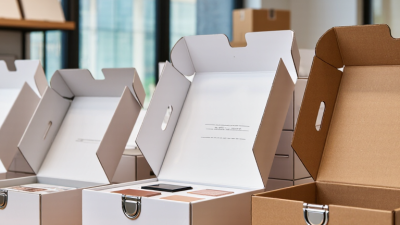
Display boxes made in China come in several practical types. Clear acrylic boxes suit counters, shelves, and product demonstrations. They protect items while keeping every angle visible. Paperboard display boxes offer lighter weight and flexible printing. A cut-out window can reveal the product without opening the package.

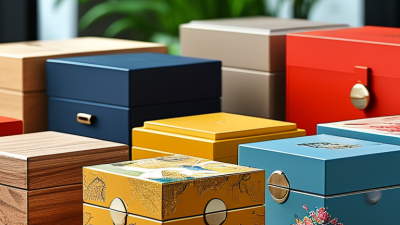
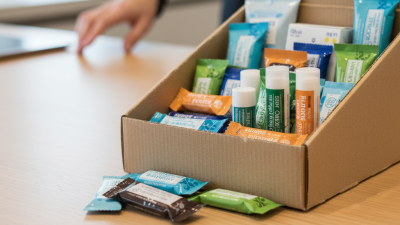
Rigid paper boxes create a more refined presentation. They often use wrapped paper, magnetic closures, or fitted inserts. Wooden display boxes provide warmth and structure for premium collections. Metal and glass designs work well in permanent retail displays, though they require stronger protective packaging. Corrugated display cartons are useful for pop-up events and bulk retail placement. They are less elegant, but easier to transport.

Material choice should follow the product’s weight, size, and display environment. Ask for a physical sample before approving production. Check corner alignment, surface scratches, odor, color consistency, and insert fit.

Small details matter. I have seen attractive samples fail because the final insert shifted during shipping. That mistake is easy to miss.

Reliable production also depends on clear drawings and measurable tolerances. Request material specifications, coating details, and packing photos. Independent inspection can check quantity, dimensions, and visible defects before shipment. A low quotation may exclude tooling, protective film, or stronger cartons. Confirm every cost in writing. China offers many display box options, but the best choice comes from matching construction with actual retail conditions.

Key Materials and Construction Methods

What Are the Best Display Boxes from China?

Key Materials and Construction Methods

Material selection controls both appearance and transport performance. A 350–400 gsm paperboard shell gives clean edges and sharp printing. For heavier products, an E-flute corrugated core adds cushioning without excessive bulk. Smithers’ 2024 packaging report estimates the global packaging market at about US$1.2 trillion, increasing pressure for lighter and more resource-efficient structures.

Rigid setup boxes use greyboard, wrapped paper, and carefully aligned corners. Their hinged lids often rely on concealed magnets or fabric hinges. Folding cartons use die-cutting and fold-and-glue construction, which usually lowers shipping volume. Grand View Research valued the global paper packaging market at approximately US$428.6 billion in 2023, with continued growth expected through 2030. That trend supports paper-based display solutions, but only when moisture resistance is considered.

Construction details matter. CNC-cut foam, molded pulp inserts, and paper partitions can prevent movement during delivery. Water-based coatings reduce surface damage, though they may scuff under rough handling. Acrylic windows improve visibility, but they add plastic and require accurate fitting. A practical tolerance of 1–2 millimeters often prevents crooked lids and loose inserts. Small errors become obvious.

I would not specify materials from photographs alone. A sample should face compression, vibration, humidity, and repeated opening tests. The weak point is often the hinge, not the printed surface. Cost targets can also encourage thinner board than the product safely needs.

How to Evaluate Quality, Design, and Durability

What Are the Best Display Boxes from China?

When evaluating display boxes from China, inspect the materials before admiring the appearance. Clear panels should look clean, without cloudy edges, scratches, or uneven thickness. Ask for material specifications and production samples. Acrylic, glass, wood, and metal each create different visual effects and maintenance needs. A reliable supplier should explain these differences clearly.

Check how the box is assembled. Corners should align tightly, while hinges, magnets, and sliding parts should move smoothly. Measure the internal space carefully, especially if the box will hold delicate objects. A beautiful design becomes useless when the item touches the panel or cannot be removed safely. Test the box under ordinary handling. Shake it gently. Inspect it again.

Durability needs more than a heavy base. Look for stable joints, protected edges, and finishes that resist fading or peeling. Packaging also matters because poor protection can ruin excellent manufacturing. Request photos of packing details and, when possible, a small trial order. I once underestimated the importance of a weak hinge; the box looked impressive but failed after repeated opening. That mistake remains useful. Cosmetic quality is not enough. Ask how the product performs after months of use, not only how it looks on delivery.

What Are the Best Display Boxes from China? — How to Evaluate Quality, Design, and Durability

Comparison of commonly manufactured display-box types. Specifications are typical production ranges and should be confirmed with the supplier through drawings, samples, and inspection reports.

Display Box Type Typical Materials Typical Panel Thickness Design Strengths Durability Considerations Recommended Applications Overall Rating
Clear Acrylic Display Box Cast or extruded acrylic; optional ABS or MDF base 2–5 mm for panels; 5–12 mm for larger bases High transparency, low visual obstruction, lightweight, easy to customize with printing or laser engraving Good impact resistance compared with ordinary glass; may scratch and can craze if exposed to incompatible solvents Collectibles, cosmetics, jewelry, models, retail counters, and museum-style showcases 4.6 / 5
Tempered Glass Display Case Tempered glass with aluminum, steel, or wooden frame 4–8 mm glass; 6 mm is common for medium-size panels Premium appearance, excellent optical clarity, strong resistance to scratching, and easy cleaning More resistant to surface damage than acrylic; heavier and vulnerable to edge impact if not properly protected Luxury retail, artwork, watches, trophies, antiques, and permanent indoor installations 4.7 / 5
MDF or Plywood Display Cabinet E1-grade MDF or plywood with laminate, veneer, paint, or acrylic windows 12–18 mm cabinet panels; 3–5 mm transparent windows Strong visual branding area, broad finish options, concealed storage, and good structural stability Stable indoors when sealed correctly; edges can swell under prolonged moisture exposure, especially with standard MDF Retail fixtures, product launches, museum furniture, wall-mounted displays, and shop interiors 4.4 / 5
Metal-Framed Display Box Powder-coated steel or anodized aluminum with glass or acrylic panels 1–2 mm metal frame; 4–6 mm transparent panels High structural strength, clean industrial styling, modular construction, and good support for heavier objects Powder coating improves corrosion resistance; exposed steel edges and poor coating preparation may rust in humid environments Trade shows, sports memorabilia, tools, industrial products, public displays, and high-traffic areas 4.5 / 5
LED-Lit Display Box Acrylic or glass enclosure with aluminum LED profile and power supply 3–6 mm transparent panels; 8–20 mm illuminated base or header Strong visual impact, adjustable illumination, edge-lit or back-lit options, and high attention value LED service life is commonly rated at 30,000–50,000 hours; heat management, wiring quality, and power-supply certification are critical Retail advertising, premium packaging, cosmetics, electronics, exhibitions, and promotional counters 4.3 / 5
Outdoor-Ready Display Cabinet Powder-coated aluminum or stainless steel with laminated glass, seals, and drainage details 1.5–3 mm metal body; 5–8 mm laminated or tempered glass Weather-resistant construction, lockable access, strong security, and optional wall or floor mounting Performance depends on gasket quality, corrosion protection, drainage, UV resistance, and enclosure design; request an IP rating where applicable Outdoor information boards, transport facilities, public notices, sports venues, and sheltered entrances 4.2 / 5
Evaluation criteria: optical clarity, material consistency, panel fit, edge finishing, load capacity, surface resistance, corrosion protection, lighting safety, packaging quality, and suitability for the intended environment. Ratings are comparative guidance rather than laboratory certifications.

Top Chinese Manufacturing Regions and Suppliers

China’s strongest display-box suppliers cluster around distinct manufacturing regions.
Guangdong is known for premium rigid boxes, magnetic closures, foam inserts, and detailed surface finishing. Zhejiang has strong paperboard, printing, and folding-carton capacity, often suited to larger production runs. Jiangsu offers reliable structural engineering, automated gluing, and industrial-scale quality control. Fujian is worth checking for practical packaging with controlled costs.

The China Packaging Federation reported approximately RMB 1.16 trillion in packaging-industry revenue in 2023. That scale supports broad supplier networks, but capacity does not guarantee consistency. Factory audits should examine board thickness, edge alignment, color tolerances, adhesive curing, and drop-test results. Ask for a pre-production sample. Inspect the hinge movement. Small flaws become expensive at volume.

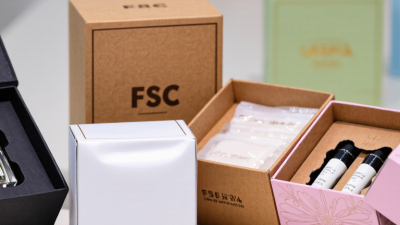
Smithers’ global packaging research expects the worldwide packaging market to exceed USD 1 trillion during the current decade, increasing pressure for efficient materials and lower waste. Suppliers using FSC-certified paper, water-based coatings, and recyclable inserts can support stronger procurement documentation. However, environmental claims need evidence, not attractive wording. Request test reports, material declarations, and batch records from every shortlisted factory. One practical weakness remains: some suppliers outsource printing or metal fittings without clearly disclosing it. That gap deserves direct questioning.

Choosing the Best Display Box for Your Needs

Choosing the best display box from China starts with the product, not the supplier’s catalog. A lightweight cosmetic set may need a folding carton with a clear window. A heavier gift item may require a rigid box with reinforced corners. Measure the product, inserts, and opening space before requesting quotations. A beautiful box can still fail if the lid rubs or the tray shifts.

Smithers’ The Future of Global Packaging to 2028 estimates that the worldwide packaging market will exceed 1.2 trillion dollars by 2028. This growth increases material choices, but also makes comparison harder. Ask Chinese manufacturers for material thickness, compression-test results, moisture resistance, and sample photos under natural light. For export shipments, request testing aligned with ISTA procedures, especially when boxes may face drops, vibration, and warehouse stacking. Small details matter. Check the magnet strength. Inspect the print edges. Smell the inner paper.

Sustainability should be practical, not decorative. Look for recyclable paper structures, water-based coatings, and documented fiber sources. The Forest Stewardship Council reports that certified materials support responsible forestry, but certification claims still need verification. Do not select a box only because it looks premium. Excessive foam, thick laminates, or oversized packaging may increase waste and freight costs. I have seen attractive samples become weak at production scale. That risk deserves a second sample, a written specification, and a pre-shipment inspection.