Cosmetic Packaging
Display Packaging
CBD Packaging
Retail Packaging
Product Packaging
Cigarette Packaging
Candle Packaging
Soap Packaging
Chocolate Packaging
Vape Packaging
Food Packaging
Gift Packaging
Bakery Packaging Boxes
Pizza Packaging
Bottle Packaging
Garments Packaging
Custom Printed Bags
Christmas Packaging
Toy Packaging
Cereal Packaging
Jewelry Packaging
Apparel Packaging
Shipping Packaging
Custom Pre Roll Boxes
Dispenser packaging
Eco Friendly Packaging
Custom Health Packaging
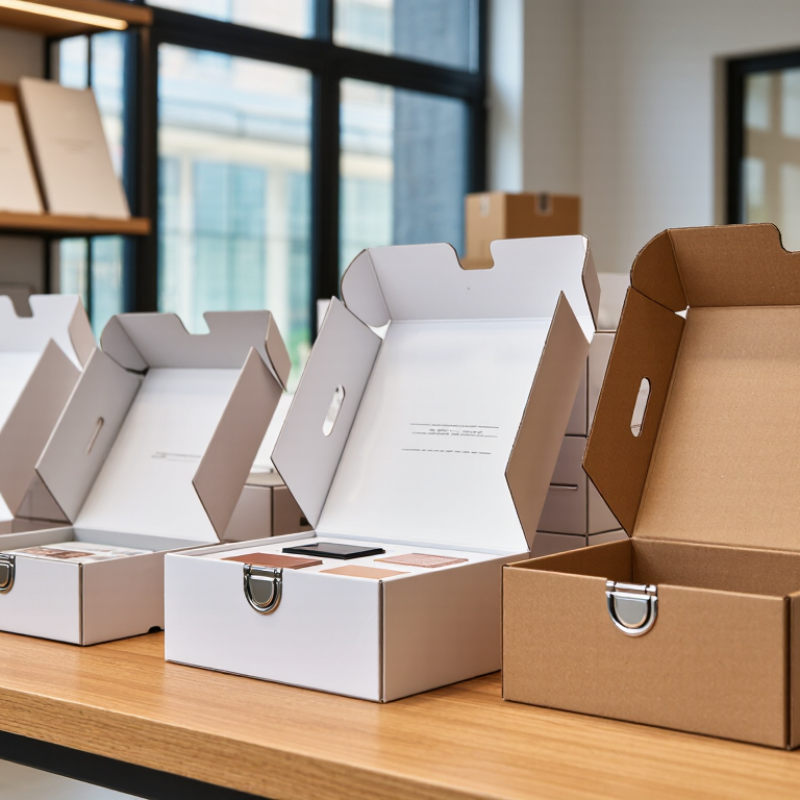
Pharmaceutical PackagingChoosing the right display boxes is a practical decision for wholesale buyers, not merely a branding exercise. These boxes must protect products, present them clearly, and remain profitable across large orders. A carton that looks attractive in a sample room may crease during transport or collapse under stacked inventory. That difference matters.
Industry data supports careful selection. Grand View Research estimates the global folding carton market reached approximately USD 178 billion in 2023, with continued growth expected through 2030. Smithers, in The Future of Global Packaging to 2028, also identifies e-commerce, retail presentation, and sustainable materials as major packaging influences. These reports do not define every display box requirement, but they reveal a competitive packaging environment. Buyers increasingly expect visual appeal and responsible material choices together.
Experience suggests comparing board thickness, printing accuracy, die-cut precision, and assembly time before comparing prices. A rigid display box may suit premium cosmetics, while kraft corrugated packaging can better support heavier products. Check whether the box keeps its shape after repeated handling. Test it with real products, shelf lighting, and shipping cartons. Small details matter. A magnetic closure may improve presentation, but it can also raise costs and complicate recycling. That trade-off is easy to overlook.
Reliable suppliers should provide material specifications, production samples, quality-control records, and realistic lead times. Certifications such as FSC chain-of-custody documentation may support responsible sourcing, but buyers should verify the certificate’s scope. No single box fits every market. The best display boxes balance protection, shelf impact, sustainability, and total landed cost. Mistakes still happen. A thoughtful buying process reduces them.
Display boxes serve different wholesale jobs, so the best choice depends on handling, shelf space, and product value.
Windowed folding cartons suit cosmetics, candles, food gifts, and small household items. They show the product without opening the package. Their printed panels also support batch identification and retail instructions. Rigid setup boxes offer stronger walls and a premium feel. Wholesalers often use them for jewelry, electronics accessories, and seasonal gift sets. Corrugated countertop displays work well for fast-moving items near checkout areas. Floor displays hold larger assortments and reduce shelf replenishment time. Grand View Research estimated the global retail-ready packaging market at about US$75 billion in 2023. Its report also projects continued growth through 2030. That demand favors boxes that arrive ready to display.
Tips: Ask suppliers for compression tests, sample dimensions, and pallet counts. A box may look attractive but waste valuable cubic space. Check whether the lid opens smoothly after transport. Small details matter. For wholesale orders, compare the box’s unit cost with labor savings. The Freedonia Group’s packaging research repeatedly highlights automation and retail efficiency as major purchasing factors. Still, a forecast is not a promise. Review damage rates, shelf turnover, and customer feedback after the first shipment. A practical trial often reveals more than a catalog specification.
| Display Box Type | Typical Materials | Visibility and Access | Main Wholesale Uses | Key Advantages | Main Limitations | Typical Size Range | Best Buying Considerations |
|---|---|---|---|---|---|---|---|
| Clear Acrylic Countertop Box | Cast or extruded acrylic panels, often with a removable lid | High visibility; open-top or lift-off access | Cosmetics, accessories, small electronics, confectionery, promotional merchandise | Lightweight, transparent, reusable, and easy to clean | Can scratch or crack; limited protection against theft | Approximately 150–500 mm wide and 100–350 mm high | Check acrylic thickness, edge finishing, protective film, and packing method |
| Corrugated Cardboard Floor Display | Single-wall or double-wall corrugated board with printed paper covering | Front-facing shelves; open access for self-service shopping | Snacks, household products, personal-care items, seasonal goods, and retail promotions | Low freight weight, flat-pack shipping, strong graphic impact, and easy disposal or recycling | Less durable in humid areas; load capacity depends on board grade and structure | Approximately 300–600 mm wide and 1,200–1,800 mm high | Confirm board grade, shelf load rating, moisture resistance, print quality, and flat-pack dimensions |
| Countertop PDQ Box | Folding corrugated board with a perforated tear-away front or header | Open front; products are replenished from the top or rear | Small packaged foods, impulse items, sample products, batteries, and travel-size goods | Fast setup, compact footprint, economical production, and strong point-of-sale visibility | Usually intended for short- to medium-term campaigns; limited heavy-load capacity | Approximately 200–500 mm wide and 150–450 mm high | Evaluate product count per tray, crease strength, tear-away accuracy, and shipping efficiency |
| Wooden Retail Display Box | Plywood, MDF, solid wood, veneer, or laminated wood panels | Open shelves, compartments, or framed glass fronts | Premium food, wine accessories, home décor, gifts, cosmetics, and specialty retail products | Durable, stable, reusable, and suitable for premium merchandising | Heavier freight, higher material cost, and greater storage requirements | Approximately 300–1,000 mm wide and 250–1,200 mm high | Check moisture content, surface coating, joinery, hardware, carton protection, and total shipping weight |
| Wire Grid or Basket Display | Powder-coated steel wire, welded mesh, hooks, and detachable baskets | Open on multiple sides; easy customer access and product replenishment | Toys, packaged accessories, tools, stationery, promotional items, and clearance merchandise | Durable, ventilated, modular, and suitable for irregular product shapes | Less suitable for premium presentation; small items may require baskets or trays | Approximately 300–800 mm wide and 600–1,800 mm high | Review wire diameter, coating quality, weld strength, base stability, and attachment compatibility |
| Slatwall or Pegboard Display Box | MDF, metal panels, plastic trays, hooks, and adjustable brackets | Front-facing presentation with adjustable hooks, shelves, or bins | Hardware, mobile accessories, tools, stationery, crafts, and hanging packaged products | Flexible layout, efficient wall use, and easy product range changes | Requires compatible wall fixtures; load capacity varies by panel and bracket | Panel widths commonly 600–1,200 mm; heights commonly 600–2,400 mm | Confirm hole or slot spacing, bracket capacity, wall-mount hardware, and installation requirements |
| Lockable Glass Display Case | Tempered safety glass, aluminum or steel frame, lock, and adjustable shelves | High visibility through glass; controlled access through hinged or sliding doors | Jewelry, collectibles, premium electronics, fragile goods, and high-value accessories | Improves security, reduces handling, and creates a premium presentation | Heavy, fragile, costly to ship, and slower to relocate | Approximately 600–1,200 mm wide and 900–2,000 mm high | Check glass thickness, lock type, shelf load, anti-tip features, corner protection, and delivery access |
| Rotating Countertop Display | Acrylic, wood, metal, or composite panels with a manual or powered turntable | Products can be viewed from several sides; access is generally open | Jewelry, cosmetics, collectibles, accessories, small packaged goods, and sample assortments | Uses limited counter space efficiently and increases visibility around the display | Moving parts require maintenance; powered versions need batteries or an electrical connection | Approximately 200–600 mm diameter and 250–900 mm high | Test rotation smoothness, noise level, power requirements, weight balance, and replacement-part availability |
| Pallet-Ready Bulk Display | Heavy-duty corrugated board, reinforced cardboard, wood, or a mixed structure | Open bulk presentation; replenishment can occur from the top or sides | Beverages, packaged foods, household consumables, seasonal products, and high-volume promotions | Reduces handling, supports large quantities, and can move with pallet equipment | Requires substantial floor space; less appropriate for small or delicate products | Designed around common pallet footprints, often about 1,000–1,200 mm square | Confirm pallet compatibility, stacking strength, forklift access, gross weight, and replenishment method |

| Wholesale planning note: Dimensions and performance ranges are typical industry guidelines. Final specifications should be confirmed according to product weight, retail environment, shipping method, display duration, safety requirements, and applicable packaging regulations. | |||||||
Wholesale display boxes must survive handling, stacking, and repeated opening. In my sourcing experience, material choice often predicts the first complaint. Corrugated board is light and economical, while rigid paperboard provides sharper edges and stronger shelf presence. Acrylic offers clear visibility, but it can scratch and collect fingerprints quickly. Wood feels substantial, yet its weight may increase freight costs. Recycled content is valuable only when its surface strength suits the product. Looks can mislead.
Measure the item, inner insert, and required clearance before selecting a box size. Too little space causes pressure marks and difficult packing. Too much space makes the display look weak and increases material use. A well-designed box keeps the product centered without excessive filler. Compare wall thickness, base support, lid fit, fold lines, and glued or locked joints. These details affect assembly speed and retail presentation. Test it physically.
Request production samples before placing a wholesale order. Check compression, edge damage, print rubbing, moisture response, and repeated opening. Flat-packed construction can reduce storage volume, but complicated assembly may slow warehouse work. I have seen attractive boxes fail because their corners softened after ordinary handling. That result is easy to overlook. Ask for consistent dimensions across samples, not just one perfect unit. A practical comparison sheet should record material weight, external size, internal clearance, packing time, and damage after testing. No box is perfect. The right choice balances protection, appearance, labor, and shipping cost.
Wholesale buyers should treat a display box as retail equipment, not decoration. The right choice depends on product weight, shopper reach, replenishment speed, and lighting. For small cosmetics or accessories, shallow countertop boxes with dividers reduce product movement and expose more facings. For heavier goods, use reinforced bases and load-tested inserts. Do not trust appearance alone. Smithers’ The Future of Global Packaging to 2028 places the worldwide packaging market above $1 trillion. That scale makes wasted board and oversized shipping formats costly.
In a high-traffic supermarket, choose open-front boxes, bold side panels, and fast refill access. Use stronger compression resistance when cartons face stacked delivery or crowded shelves. In boutiques, rigid folding boxes can support a quieter, premium setting. Color and finish should echo the fixture, not fight it. POPAI’s Mass Merchant Shopper Engagement Study reported that 82% of purchase decisions occurred in stores. That finding supports clear product visibility, but the figure is older and should not guide every category. Test it locally.
Ask suppliers for a physical sample, then place it at real shelf height. Measure reach, glare, refill time, and how quickly edges scuff. I have seen attractive prototypes fail because a cashier could not replenish them without lifting the whole tray. That is an avoidable mistake. Run a seven-day pilot across two store formats. Track facings sold, damaged units, and staff comments. Also check recycling instructions and local collection systems; infrastructure differs sharply by market. Perfect matching is unlikely. Better evidence beats confident guesswork.
Wholesale buyers usually compare more than appearance. For display boxes, pricing, customization, and minimum order quantity often decide the real value. A strong option should protect products, present them clearly, and fit the retailer’s selling space.
Wholesale pricing normally improves at higher quantities, but the lowest quote may not be the best choice. Ask whether setup fees, printing plates, freight, and protective packaging are included. Request a written quotation with carton dimensions and delivery terms. Start with samples. A physical sample can reveal weak corners, poor color matching, or shelves that bend under product weight.
Customization may include size, window placement, inserts, coatings, handles, and printed graphics. Keep the structure practical. Excessive decoration can increase production time and waste. I have seen buyers approve attractive artwork before checking how the boxes stack on a pallet. That mistake can raise shipping costs. Use a clear specification sheet with measurements, material thickness, print colors, and packing requirements.
Minimum order quantities deserve careful attention. A large order may reduce unit cost, yet it can create storage pressure and unused inventory. Ask about mixed designs, trial quantities, and repeat-order pricing. Suppliers with dependable quality controls should provide pre-production approval, batch inspection records, and realistic lead times. Do not rely only on online images. Review samples, confirm tolerances, and check how the display box performs after repeated handling. Perfect planning is difficult, but documented details reduce expensive surprises.
Typical minimum order quantities and customization lead times by display-box format
Corrugated countertop displays generally offer the lowest entry volume and faster customization, making them suitable for test launches and cost-sensitive wholesale orders. Acrylic displays typically require smaller quantities but longer production times, while floor-standing and rigid setup boxes usually need larger commitments or more lead time because of their size, structure, and finishing requirements. Actual wholesale pricing, minimum orders, and lead times vary by material, dimensions, printing, finishes, packaging, and shipping terms.
Planning benchmarks shown are typical industry ranges for custom wholesale packaging and should be confirmed with the selected supplier before placing an order.
Wholesale display boxes must survive handling, look consistent, and arrive at a workable cost. A practical buyer checks board strength, print accuracy, fold lines, and glue points. The International Safe Transit Association recommends performance testing that reflects real distribution hazards, including vibration, drops, and compression. A beautiful sample can still fail after one truck journey.
Shipping deserves equal attention. Smithers’ packaging market analysis projects continued growth in global packaging demand through 2028, increasing pressure on materials, freight space, and waste reduction. Ask suppliers for packed dimensions, carton quantities, gross weight, and pallet plans.
Request a transit-tested sample, not only a showroom sample. Also compare damage rates, replacement terms, and lead-time history. These details often reveal more than a low unit price. However, no checklist catches every failure. Humidity, rushed production, and small artwork changes can still create problems.
Tips: Use an acceptance sheet with measurable limits. Record board thickness, color tolerance, dimensions, and allowable defects. The 2023 McKinsey packaging survey reported that many consumers value sustainable packaging, but buyers should verify claims through material specifications and recognized certifications. Ask for recycled-content evidence and disposal guidance. Check three recent production references, inspect a random carton from the shipment, and confirm who pays for remake costs. I would also keep a small contingency stock; perfect forecasting is unrealistic.
© 2007 - 2025 The Custom Packaging. All right reserved.