2026 Top Candle Box Types for Global Buyers
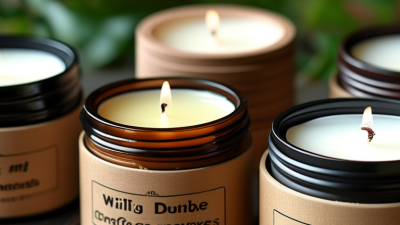
In 2026, candle packaging must protect the product and communicate its value quickly. Global buyers are examining candle boxes for strength, appearance, sustainability, and shipping performance. A beautiful package means little if wax stains the insert or the lid opens during transit.
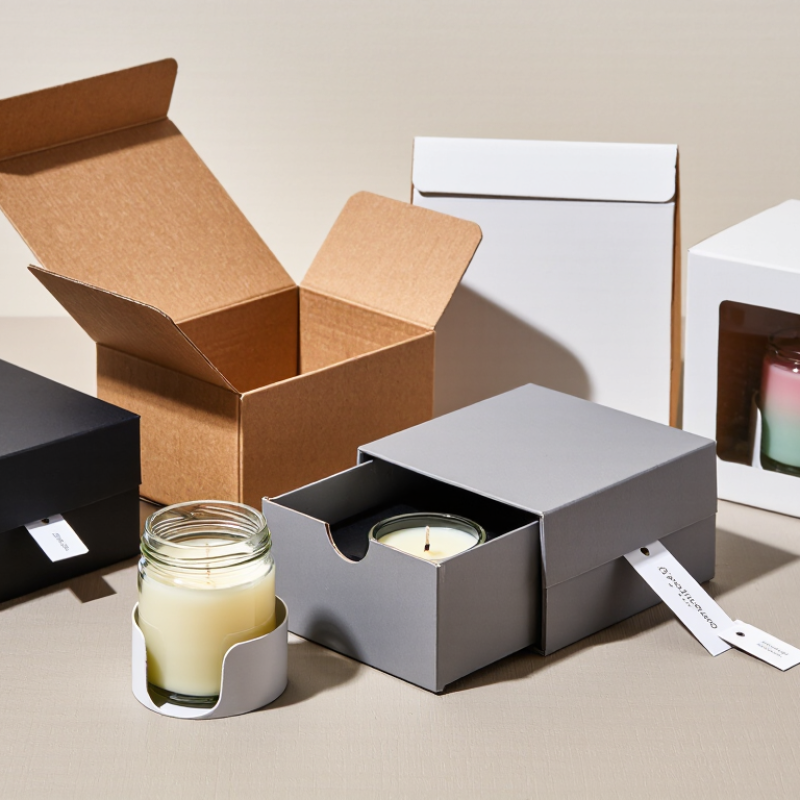
This guide reviews popular box types, including rigid boxes, folding cartons, drawer boxes, mailer boxes, and window boxes. Each format serves a different purpose. Rigid boxes suit premium candles and gift collections. Folding cartons reduce storage space and support efficient retail display. Mailer boxes provide practical protection for direct-to-consumer orders. Window designs help shoppers inspect colors, labels, and vessel shapes before purchase.
Details matter. A 10-ounce glass jar may need a snug insert, reinforced corners, and tested internal clearance. Kraft board can support a natural brand image, while coated paper creates sharper colors and smoother product photography. Buyers should also check material traceability, print consistency, moisture resistance, and supplier quality records. Samples should be reviewed before production.
No box is perfect.
A heavier structure can improve protection but increase freight costs. A larger window may improve visibility but weaken the panel. Even sustainable materials require careful sourcing and realistic disposal guidance. Experienced packaging teams compare these trade-offs through drop tests, compression checks, and trial shipments. Supplier communication also matters, especially when dimensions, labeling, and delivery schedules cross several markets. This overview helps global buyers choose candle boxes with clearer expectations, stronger evidence, and fewer expensive surprises in 2026.
Candle Box Types by Structure, Purpose, and Market Positioning
2026 Top Candle Box Types for Global Buyers
Candle box selection starts with structure, not decoration.
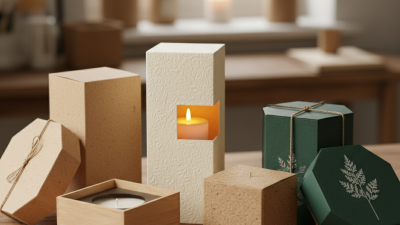
In packaging reviews, I often compare rigid two-piece boxes, drawer boxes, tuck-end cartons, and folding mailers. Rigid boxes create a firm, gift-ready feel. Drawer boxes offer a slower, more tactile opening. Tuck-end cartons reduce material use and storage volume. Mailer boxes add protection for direct shipping. A small window can display the vessel, but it may weaken privacy and dust resistance.
Purpose changes the best choice.
A single scented candle may suit a compact tuck-end carton with an insert. A multi-candle set needs dividers, stable spacing, and stronger sidewalls. Heavy glass requires drop testing before any purchase decision. I recommend checking compression strength, insert fit, print consistency, and moisture tolerance with physical samples. Digital proofs look clean. Real samples often reveal loose lids or inaccurate colors.
Market positioning also affects structure.
Premium buyers usually accept rigid construction, textured paper, and slower opening experiences. Mid-market collections need reliable protection without excessive material or labor. Value-focused products often benefit from efficient folding cartons and clear product information. Sustainable positioning requires more than recycled paper claims. Buyers should inspect coatings, adhesives, mixed materials, and recycling guidance. I have seen attractive boxes fail during humid storage. That mistake is easy to repeat. Cost, shipping distance, and assembly time deserve equal attention before final approval.
Popular Candle Box Formats for Global Buyers in 2026
Popular Candle Box Formats for Global Buyers in 2026
Global candle sales continue to expand. Grand View Research estimates the candle market reached about USD 8.9 billion in 2023, with steady growth expected through 2030. This demand increases pressure on packaging teams. Buyers now compare protection, presentation, shipping efficiency, and material recovery.
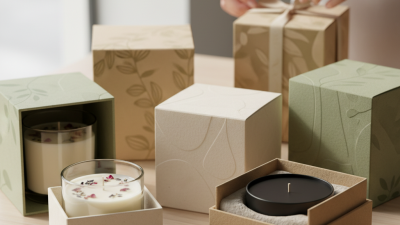
Tuck-end cartons remain practical for everyday candles. They fold flat, reduce storage volume, and support efficient automated packing. Rigid setup boxes suit premium collections, especially when customers expect a heavier unboxing experience. Sleeve boxes offer another useful format. A printed sleeve can slide over a plain inner tray, reducing decoration changes across product sizes. Small details matter. A loose sleeve feels cheap.
Window cartons help shoppers inspect jar color and surface finish. However, plastic windows may complicate recycling systems in some markets. This choice requires local material guidance, not assumptions. Smithers’ e-commerce packaging research highlights right-sizing and fiber-based solutions as important packaging development priorities. Mailer boxes also deserve attention for online orders. Their crush-resistant corners and paper cushioning can reduce movement during transit.
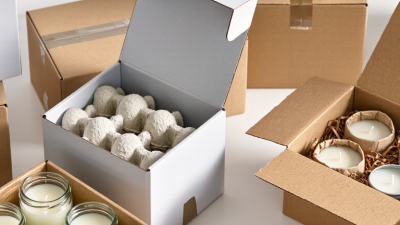
In export projects, inserts often prevent lids from rubbing against glass. Yet excessive inserts increase material use and packing labor. A perfect-looking box can still perform poorly. Global buyers should test vibration, humidity, compression, and opening speed before approving a format. The best 2026 candle box is not always the most luxurious one. It is the format that protects the product consistently across real shipping conditions.
How to Choose the Right Candle Box for Different Products
2026 Top Candle Box Types for Global Buyers
Choosing the right candle box starts with the product, not the artwork. Glass jar candles need rigid boxes with inserts that prevent movement and edge impact. Tin candles suit folding cartons with snug partitions. For gift sets, drawer boxes or magnetic rigid boxes create stronger presentation and protect multiple units. Grand View Research’s 2024 candle market analysis reports continued market growth, which increases packaging pressure across retail and online channels. More products also mean more packaging mistakes.
Shipping conditions matter. A lightweight carton may reduce freight costs, but it can crush during humid sea transport. Corrugated mailer boxes work better for direct-to-consumer orders. Use kraft paper cushioning when the candle has a fragile lid or uneven shape. For premium products, rigid boxes improve shelf presence, yet they require more storage space. The choice is not always obvious. I have seen attractive boxes fail because their inserts ignored wick and jar height.
Tips: Measure the candle after filling and cooling. Test drop resistance before placing large orders. Ask suppliers for material thickness, insert samples, and moisture data. McKinsey’s 2023 packaging research found that 60–70% of surveyed consumers would pay more for sustainable packaging in some categories. Use recyclable paper where protection remains adequate. Avoid oversized boxes. They look wasteful and raise shipping costs.
2026 Top Candle Box Types for Global Buyers: How to Choose the Right Candle Box for Different Products
The comparison uses a practical 1–5 fit score based on common packaging characteristics: product protection during transport, shelf presentation, and shipping efficiency. Tuck-end cartons suit lightweight everyday candles, rigid setup boxes provide premium presentation for gift candles, mailer boxes are effective for e-commerce orders, window boxes improve product visibility, and two-piece boxes offer strong protection for heavier or fragile candle sets.
Global Compliance, Sustainability, and Customization Considerations
2026 Top Candle Box Types for Global Buyers
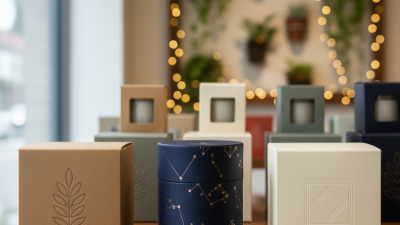
Global candle buyers are choosing folding cartons, rigid boxes, kraft mailers, and tube-style packages. Each format serves a different shipping and presentation need. Folding cartons reduce storage space and support efficient production. Rigid boxes offer stronger protection and a premium unboxing experience. Kraft mailers suit lighter candles and direct-to-consumer delivery. Tube packaging creates distinctive shelf appeal, but its shape may increase shipping volume.
Global compliance requires more than attractive artwork. Packaging should use accurate product information, safe material specifications, and clear recycling guidance. Buyers should confirm ink, adhesive, coating, and board documentation with suppliers. Sustainability also needs careful checking. Recycled content is useful, but it does not make every package environmentally responsible. Excessive inserts, plastic windows, and difficult mixed materials can weaken the result. Custom sizes can reduce movement inside the box, although highly complex structures may create more production waste. That trade-off deserves review.
Tips: Request material certificates and pre-production samples. Test boxes with actual candles, tissue, and shipping labels. Check compression, moisture resistance, opening strength, and print quality. Ask whether components can be separated for local recycling. Keep artwork adaptable for different languages and market requirements. Small text errors happen. A second compliance review is worth the delay. Suppliers should also explain minimum order quantities, replacement policies, and quality inspection procedures before production begins.

 Cosmetic Packaging
 Display Packaging
 CBD Packaging
 Retail Packaging
 Product Packaging
 Cigarette Packaging
 Candle Packaging
 Soap Packaging
 Chocolate Packaging
 Vape Packaging
 Food Packaging
 Window Packaging Boxes
 Gift Packaging
 Bakery Packaging Boxes
 Pizza Packaging
 Bottle Packaging
 Garments Packaging
 Custom Printed Bags
 Christmas Packaging
 Toy Packaging
 Cereal Packaging
 Jewelry Packaging
 Apparel Packaging
 Shipping Packaging
 Custom Pre Roll Boxes
 Dispenser packaging
 Eco Friendly Packaging
 Custom Health Packaging
 Pharmaceutical Packaging