Why Choose Candle Shipping Boxes for Global Shipping?

Global candle commerce is no longer limited to local markets or seasonal gift shops. Pitney Bowes’ Parcel Shipping Index 2023 recorded 161.8 billion parcels worldwide in 2022. That volume creates demanding conditions for fragile, scented, and temperature-sensitive products. Candle shipping boxes offer a practical response. They can reduce movement around glass jars, protect printed labels, and create space for cushioning materials. A well-fitted box also helps prevent scuffed surfaces during repeated handling. Small details matter here. A loose candle may arrive with a cracked lid or damaged wick. The product can remain usable, yet the customer experience still suffers.

Industry research supports this packaging focus. DHL’s 2024 E-Commerce Trends Report surveyed more than 12,000 shoppers across 24 markets. Its findings show that delivery performance and sustainability increasingly influence online purchasing decisions. Smithers’ research on e-commerce packaging also highlights right-sizing, recyclable materials, and efficient protective structures. These trends make candle shipping boxes more than simple containers. They become part of brand protection, cost control, and international customer trust. However, reports cannot reproduce every warehouse, climate, or courier route. Real-world packing is messier. A box that performs well in a cool warehouse may struggle inside a hot delivery vehicle. That limitation deserves honest testing. Brands should compare box strength, internal fit, cushioning, moisture exposure, and destination conditions before scaling shipments. The ideal solution is not always the thickest carton. It is the most balanced design, supported by testing, measurable quality checks, and responsible material choices. For global shipping, that balance can turn a delicate candle into a dependable delivery.

Why Choose Candle Shipping Boxes for Global Shipping?

What Are Candle Shipping Boxes and How Are They Designed?

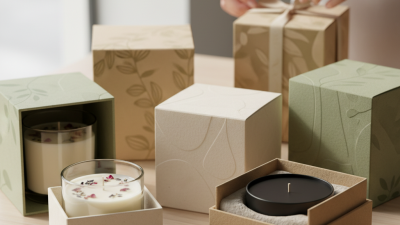
Candle shipping boxes are protective packages designed to keep candles stable during storage, handling, and international delivery. They usually include a strong outer carton and a fitted inner structure. The inner insert prevents movement. This detail matters because glass jars can crack when parcels shift or drop.

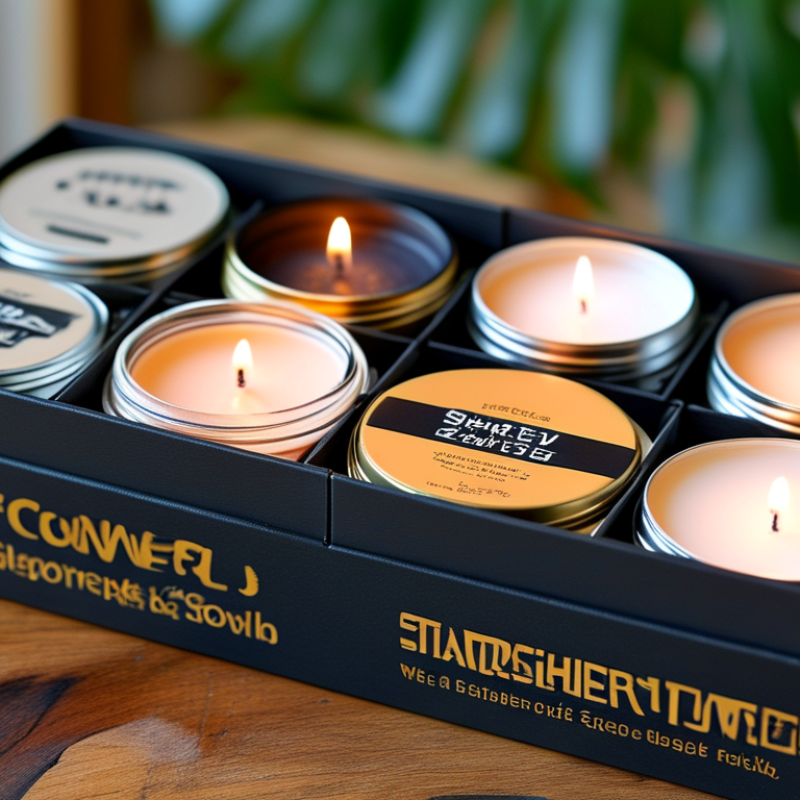
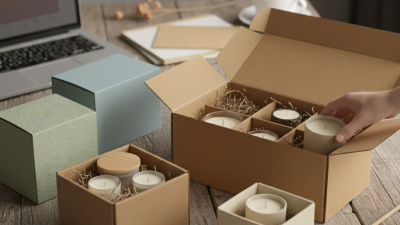
A well-designed box begins with accurate measurements. The candle should fit firmly without pressure on its lid or container. Corrugated board adds stacking strength, while paper-based cushioning absorbs minor impacts. Separate compartments can protect several candles in one shipment. For scented products, a sealed inner wrap helps reduce fragrance transfer and protects the label from abrasion.

Global shipping creates extra challenges. Packages may face humid ports, cold aircraft holds, rough sorting belts, and repeated loading. Moisture-resistant materials can help, but they should not replace proper testing. I have found that a box surviving one local delivery proves very little. Drop tests, compression tests, and vibration checks give more useful evidence. Still, testing cannot copy every route. No package is perfect. A slightly oversized design may increase material use, yet a very tight fit can cause damage. Designers must balance protection, weight, recyclability, and clear handling information. That balance deserves review after real customer feedback.

How Do Candle Shipping Boxes Protect Products During Transit?

Candle shipping boxes protect products by controlling movement, impact, moisture, and temperature during transit. A candle may look sturdy, yet glass jars can crack when corners meet hard surfaces. Wax can also soften inside a hot delivery vehicle. The box should hold the candle tightly, leaving no room for sliding. Molded inserts, paper cushioning, and reinforced corners absorb shocks before they reach the jar. Small details matter.

The International Safe Transit Association’s ISTA 3A testing procedures examine packaged products through drops, vibration, compression, and atmospheric conditioning. These tests reflect common parcel-handling risks. Candle boxes designed around such testing can reduce empty space and limit repeated impacts. The outer carton also needs enough strength for stacking. Smithers’ 2024 global packaging analysis places the worldwide packaging market above one trillion dollars, showing how seriously industries treat protective design. Yet more material does not always mean better protection.

Temperature remains a difficult variable. A dark truck can become extremely hot, while winter routes may expose wax and glass to rapid changes. Practical packaging teams often test filled boxes, not empty samples. They check broken glass, surface scuffs, loose lids, and melted wax after simulated handling. The result may still be imperfect. A box that survives a laboratory drop can fail after a long, wet journey. That is why real shipment feedback should reshape the insert, closure, and cushioning design over time.

Which Materials and Features Make Candle Boxes Suitable for Global Shipping?

Why Choose Candle Shipping Boxes for Global Shipping?

Candle boxes need more than attractive printing. They must protect glass, wax, and labels across long delivery routes. Corrugated board is a practical outer material because its fluted layers absorb shocks and stacking pressure. For heavier candles, thicker board and reinforced corners provide better support. Recycled paperboard can also work for lighter products, but it may lose strength in humid conditions. This detail is easy to overlook.

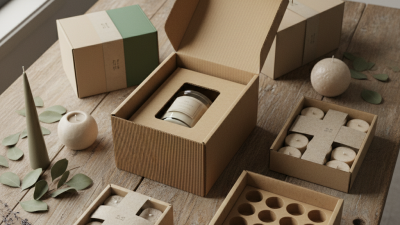
A well-designed box uses a snug insert to stop the candle from moving. Molded pulp, corrugated dividers, and paper cushioning are useful options. They reduce impact without adding unnecessary plastic. A secure tuck closure helps prevent accidental opening during handling. Smooth internal surfaces also protect labels from rubbing. Ventilation is usually not needed, but temperature changes still matter. Wax can soften inside hot vehicles or storage areas. No box is perfect.

Tips: Test packed samples before international shipment. Drop them from different heights and inspect the glass, lid, and corners. Try compression testing for stacked cartons. Include moisture-resistant coating when routes cross humid regions. Keep dimensions compact to reduce movement and shipping volume. Use clear handling information and accurate product descriptions for customs review. Small changes can prevent large losses. Still, testing one shipment is not enough; packaging should be reviewed when candle sizes, materials, or transport routes change.

Why Choose Candle Shipping Boxes for Global Shipping?

Materials and features that help protect candles during international transport

Material or Feature Typical Specification Protection Benefit Global Shipping Relevance Practical Performance Recommended Use
Corrugated Paperboard Single-wall E-flute or B-flute construction; commonly 1.5–3.0 mm thick Absorbs compression and moderate impact while protecting jars from crushing Lightweight, widely recyclable, and suitable for parcel and pallet shipments High
Good strength-to-weight ratio
Standard candle cartons and mailer-style shipping boxes
Double-Wall Corrugated Board Two fluted layers with an overall thickness commonly around 5–7 mm Provides increased stacking strength and improved resistance to rough handling Useful for long-distance routes, consolidated freight, and heavier candle sets Very High
Higher compression resistance
Multi-candle packs, wholesale cases, and fragile glass containers
Kraft Paper Liner Virgin or recycled kraft liner bonded to the corrugated structure Creates a durable outer surface and helps resist scuffing during handling Compatible with common recycling systems when adhesives and coatings are limited High
Reliable tear resistance
Export cartons requiring a clean, durable exterior
Die-Cut Inserts Folded paperboard or molded-pulp separators sized to the candle vessel Restricts movement and separates individual jars to reduce collision damage Reduces the need for excessive void fill and improves packing consistency High
Excellent positioning control
Glass jars, gift sets, and assortments with multiple candle sizes
Molded-Pulp Cushioning Fiber-based cushioning formed around the product profile Distributes impact forces and cushions the base, lid, and sidewalls of the jar Paper-based construction can support recyclable packaging goals High
Strong shock absorption
Premium candles and shipments with a high risk of vibration
Locking Tabs and Roll-End Closure Integrated paperboard closure with tuck or locking panels Maintains box integrity without relying solely on adhesive tape Reduces the chance of opening during customs handling and route transfers High
Secure closure performance
Retail-ready cartons and direct-to-consumer international orders
Moisture-Resistant Treatment Water-based coating or treated paper surface; avoid unnecessary plastic films Helps delay softening from humidity, condensation, and brief contact with moisture Valuable for ocean freight, humid climates, and variable warehouse conditions Medium–High
Improves humidity tolerance
Routes exposed to seasonal humidity or extended storage
Tamper-Evident Sealing Security tape, tear strip, or closure label that shows visible opening Helps identify unauthorized access or package interference in transit Supports shipment accountability across multiple carriers and border checkpoints Medium–High
Improves shipment visibility
High-value, subscription, and direct-to-consumer candle shipments
Dimensional Optimization Close-fitting internal dimensions with sufficient clearance for cushioning Limits product movement and reduces the likelihood of compression from empty space Can reduce volumetric shipping charges and improve container utilization High
Lower space waste
International parcel shipping where dimensional weight matters
Clear Handling Labels Printed orientation, fragile-content, recycling, and product identification marks Provides handling guidance and supports faster warehouse identification Useful when packages pass through multilingual or multi-carrier networks Medium
Improves handling communication
Export cartons, mixed freight, and fulfillment-center operations

Performance depends on candle weight, glass design, box dimensions, cushioning layout, stacking conditions, route length, and carrier handling practices.

How Do Candle Shipping Boxes Support Customs, Labeling, and Logistics?

Candle shipping boxes help international orders move through customs with fewer surprises. Their rigid walls protect glass jars, wax surfaces, and printed labels during long transfers. A well-fitted insert limits movement inside the carton. This matters when parcels face vibration, stacking, and sudden temperature changes.

Customs officers also need clear product information. The box should leave space for accurate descriptions, country of origin, quantity, and declared value. Do not hide details beneath tape or decorative wrapping. Clear information builds trust.

Labeling must remain readable from warehouse to delivery van. Use a flat panel for shipping labels, barcodes, handling marks, and destination data. Keep these areas free from seams and curved edges. Moisture-resistant materials can protect ink in humid ports or rainy loading areas.

Still, no box is perfect. A label may peel, or an insert may shift. Test packed cartons before exporting, and record the results. Small packing errors become expensive delays.

Tips:

Match the box size to the candle and its cushioning. Leave no loose space. Check weight limits and carton dimensions before booking freight.

Compare package details with commercial invoices and customs forms. Take photos of the final pack. They provide useful evidence when a shipment needs investigation.

I have found that simple checklists outperform rushed visual checks, although they can feel excessive during busy seasons.

How Can Businesses Choose the Right Candle Shipping Box for International Orders?

Choosing the right candle shipping box begins with the candle itself. Measure its height, diameter, glass thickness, and total weight. A box that is too large allows movement and increases breakage risk. A tight box may crush the container during handling. Fit matters more than appearance.

For international orders, use strong corrugated material with a suitable flute strength. Add a fitted insert or molded divider around glass candles. Leave limited space for protective cushioning, but avoid excessive packing. The candle should stay centered when the parcel is gently shaken. Test a packed sample with short drops, corner impacts, and vibration. Real shipping is rougher than a warehouse table.

Moisture resistance also deserves attention. Long routes may expose packages to rain, humidity, or temperature changes. Choose packaging that protects labels and outer surfaces without trapping unnecessary heat. Check the destination carrier’s size, weight, and marking requirements before production. Customs information should remain clear and readable. A perfect box rarely exists. Some designs look sturdy but fail at the corners. Review damaged samples honestly, then adjust the insert, tape, or board thickness. Small changes can protect the candle and reduce avoidable replacement costs.