2026 Top Candle Shipping Box Types for Global Buyers?
Global candle commerce is changing quickly. Buyers now expect safer delivery, cleaner branding, and packaging that survives long journeys. This makes candle shipping boxes more than simple outer cartons. They must protect glass jars, reduce movement, resist moisture, and present a dependable brand experience.
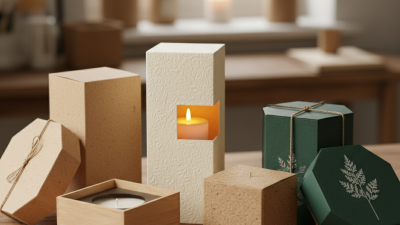
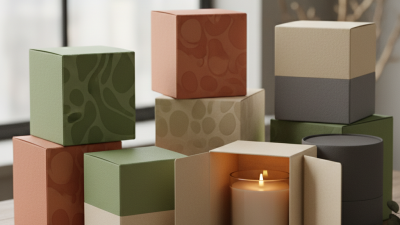
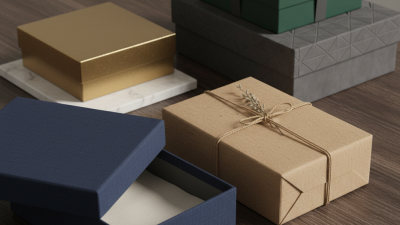
Packaging consultant Lisa McTigue Chavez once said, “Packaging should protect the product before it promotes the brand.” Her point remains practical for candle sellers. A beautiful printed box means little when a jar arrives chipped, oily, or loose inside. The best 2026 options will balance structure, cost, sustainability, and presentation. Corrugated mailer boxes suit single-candle orders and direct-to-consumer shipping. Die-cut inserts improve stability around fragile vessels. Kraft cartons offer a natural appearance, while rigid boxes create a stronger gift impression. Foam can provide protection, but it may weaken a brand’s environmental message.
Small details matter. Think about a 220-gram candle moving through a humid warehouse. Its lid should stay closed. The label should remain readable. The inner fit should not allow rattling. These are not glamorous details. They decide whether the customer trusts the seller.
Still, no box type fits every market. I would not choose a premium rigid box for every low-value shipment. That decision can increase freight costs without improving protection. Testing is essential, although many brands skip it. This guide examines the leading candle shipping boxes for global buyers in 2026, including materials, inserts, customization, protection, and practical purchasing considerations. The strongest choice is rarely the most expensive one. It is the box that performs consistently.
Global Candle Shipping Needs: ISTA 3A Tests Parcels Up to 70 kg
Global candle shipping is moving toward stronger, test-led packaging. The 2024 Parcel Shipping Index recorded 161.7 billion parcels worldwide in 2023, an annual increase of 8%. More parcels mean more handling points, drops, vibration, and compression.
ISTA 3A evaluates packaged products within parcel delivery systems, including shipments up to 70 kilograms. For candles, this matters when glass jars, lids, and wax must arrive intact. A practical design often combines a double-wall corrugated box with die-cut dividers. Smaller candles may need a snug single-wall box with molded-pulp inserts. The right choice depends on product weight, fragility, and shipping distance.
Test the real shipping configuration.
A box can look strong and still fail at the corners. ISTA 3A testing includes conditioning, shock, vibration, and compression exposure. Void space should remain limited, but not force glass against the walls. The 2023 Global E-commerce Logistics report identifies parcel reliability and damage reduction as major packaging priorities for cross-border fulfillment. That supports using measured inserts instead of loose paper alone.
I would not treat one successful test as permanent. Candle jars change, seasonal temperatures change, and transport routes change. A 70-kilogram testing scope does not mean every candle box should be oversized. It means buyers can select packaging after checking the actual parcel weight, dimensions, stacking risks, and handling environment.
Corrugated RSC Boxes: 32 ECT and 44 ECT Export-Strength Options
2026 Top Candle Shipping Box Types for Global Buyers
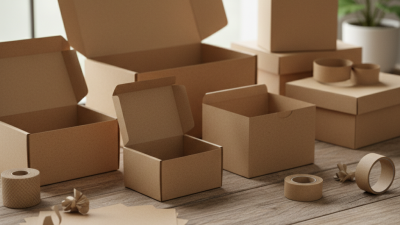
Corrugated RSC boxes remain a practical choice for shipping candles across borders. The Regular Slotted Container design uses simple flaps and efficient board space. For lighter candle sets, 32 ECT corrugated board can provide dependable compression strength and manageable shipping weight. It suits short routes, smaller cartons, and controlled warehouse handling.
For heavier jars, multi-candle packs, or longer export routes, 44 ECT offers a stronger safety margin. Its improved edge crush resistance helps cartons tolerate stacking pressure during storage and transport. However, ECT alone does not guarantee protection. Carton dimensions, board moisture, sealing quality, and internal movement also matter. A stronger box is not always better. That assumption deserves checking.
Tips: Measure the packed candle set before choosing the carton. Leave minimal space around glass containers, then use dividers or suitable cushioning to prevent contact. Test one completed carton with realistic stacking and handling conditions. Pay attention to humid ports and cold storage, because moisture can reduce corrugated strength. Printing shipping marks clearly also helps warehouse teams identify orientation and handling needs. Small details matter. One overlooked gap can create avoidable breakage. For many global buyers, comparing 32 ECT and 44 ECT samples under actual loading conditions is more reliable than choosing by specification alone.
Molded-Pulp Inserts: ISO 18601 Principles for Lower-Plastic Protection
For global candle buyers in 2026, box selection is both a protection and materials question. Molded-pulp inserts deserve closer attention. They hold glass jars in shaped cavities, keeping rims away from carton walls during drops. The insert can replace plastic bags, foam blocks, or loose air pillows. Small change. Short distance.
ISO 18601 provides a framework for packaging environmental optimization, including material reduction, recovery, and life-cycle thinking. It does not automatically certify every pulp insert as sustainable. That distinction matters.
The OECD Global Plastics Outlook reported 142 million tonnes of plastic packaging waste in 2019. Packaging represented about 40% of total plastic waste. Lower plastic use helps, but only when breakage does not rise.
Packers should record drop-test damage, compression strength, moisture exposure, and recycling instructions. A dry insert may perform well in a warehouse, then weaken near humid ports.
Industry experience suggests pulp works best when its cavity matches the candle vessel closely. Add a paper wrap around the lid and a crush-resistant outer carton. Avoid oversized boxes. They waste space.
UNEP’s 2023 report notes that existing solutions could significantly reduce global plastic pollution by 2040. Still, coatings, dyes, and mixed fibers may complicate repulping.
The honest weakness is obvious: lower plastic does not always mean lower impact. Buyers should request fiber content, moisture testing, recycled-content evidence, and shipment test records before approval.
2026 Buyer Matrix: Compare Cost, Cube, Drop Tests, and EPR Rules
Global candle buyers should compare box types by total delivery performance, not unit price alone. Corrugated mailers usually offer the lowest cost and cube. They suit lighter jars with simple inserts. Rigid boxes look premium but consume more warehouse space. They also raise handling and freight costs. Molded-pulp inserts can improve protection while reducing plastic, although fit must be tested carefully.
Ask suppliers for a cost-per-shipped-unit calculation. Include box, insert, tape, labor, storage, and damage claims. A smaller box may lower freight charges. However, excessive compression can crack wax containers or loosen lids. Measure the packed cube, not the empty carton. Three millimeters of unused space can multiply across a full pallet.
Drop testing needs a written method. Test the actual candle, vessel, wick position, and final label. Check corners, edges, and faces after repeated drops. Inspect for glass cracks, lid movement, fragrance leakage, and crushed flutes. A lab report is useful, but it cannot replace production sampling. One test may pass while humid cartons fail later. That weakness deserves attention.
EPR rules add another buying cost. Packaging materials, weight, recyclability, registration, reporting, and recovery fees can differ by destination. Ask for material data by component, including coatings and inserts. Keep invoices and test records together. Do not assume a recyclable-looking box satisfies every market rule. Verify requirements with local authorities or qualified compliance specialists before shipping. My practical concern is simple: the cheapest box often becomes expensive after damage, rework, and compliance corrections.

 Cosmetic Packaging
 Display Packaging
 CBD Packaging
 Retail Packaging
 Product Packaging
 Cigarette Packaging
 Candle Packaging
 Soap Packaging
 Chocolate Packaging
 Vape Packaging
 Food Packaging
 Window Packaging Boxes
 Gift Packaging
 Bakery Packaging Boxes
 Pizza Packaging
 Bottle Packaging
 Garments Packaging
 Custom Printed Bags
 Christmas Packaging
 Toy Packaging
 Cereal Packaging
 Jewelry Packaging
 Apparel Packaging
 Shipping Packaging
 Custom Pre Roll Boxes
 Dispenser packaging
 Eco Friendly Packaging
 Custom Health Packaging
 Pharmaceutical Packaging