
Cosmetic Packaging
Display Packaging
CBD Packaging
Retail Packaging
Product Packaging
Cigarette Packaging
Candle Packaging
Soap Packaging
Chocolate Packaging
Vape Packaging
Food Packaging
Gift Packaging
Bakery Packaging Boxes
Pizza Packaging
Bottle Packaging
Garments Packaging
Custom Printed Bags
Christmas Packaging
Toy Packaging
Cereal Packaging
Jewelry Packaging
Apparel Packaging
Shipping Packaging
Custom Pre Roll Boxes
Dispenser packaging
Eco Friendly Packaging
Custom Health Packaging
Pharmaceutical PackagingIn the competitive world of packaging, the significance of design boxes cannot be overlooked. Renowned packaging expert, Sarah Jennings, emphasizes, "Design boxes redefine a brand's identity." Her insight holds weight in an industry where presentation matters as much as product quality.
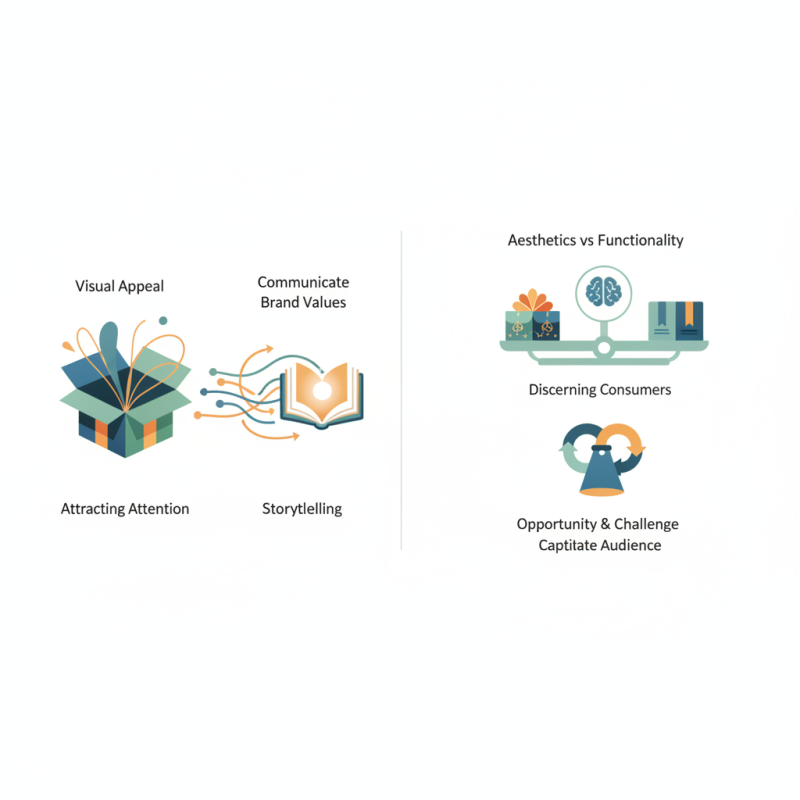
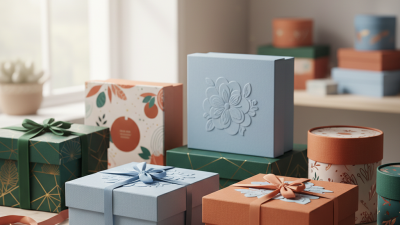
Design boxes offer unique advantages that set products apart on store shelves. These packages can enhance visual appeal, attract palates, and communicate brand values effectively. For instance, a well-designed box can tell a story, reflecting the essence of the product within.
However, not all designs resonate with audiences. Some may prioritize aesthetics over functionality. Striking the right balance between beauty and purpose is essential. Consumers today are more discerning, often choosing products based on their packaging. Consequently, the art of design boxes is both an opportunity and a challenge for brands aiming to captivate their audience.
Design boxes are revolutionizing the packaging industry. These boxes blend creativity with practicality. They provide a striking way to present products while also serving functional purposes. The confidence in using design boxes stems from their ability to capture attention instantly.
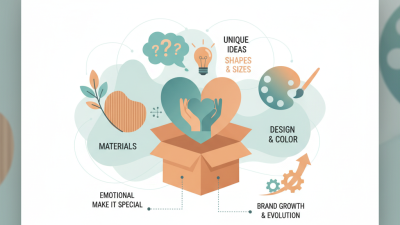
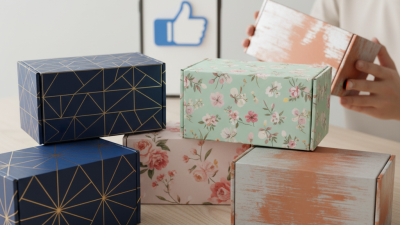
The concept of design boxes goes beyond aesthetics. They can be tailored to meet specific branding needs. Their unique shapes and sizes stand out on retail shelves. This distinctive approach makes your product memorable. Consider how design elements can narrate a story about your brand. This narrative connection can lead to increased customer loyalty.
However, designing these boxes requires careful thought. The balance between appealing designs and protective features can be challenging. Some designs may prioritize looks over function, leading to dissatisfaction. Reflecting on the user experience is crucial. Design boxes should not only look good but also ensure product safety.
Design boxes can significantly enhance your branding efforts. Utilizing unique designs can set your product apart from competitors. When customers see your packaging, they form an immediate impression. An eye-catching design invites them to explore what’s inside. This first interaction often determines whether they will engage with your brand further.
Moreover, design boxes allow for creative storytelling. Every box can visually represent your brand’s values and message. Vibrant colors and interesting shapes can evoke emotions. These elements help customers connect on a personal level. However, it’s crucial to align design with your brand identity. If the visual appeal doesn’t reflect the product quality, it could lead to disappointment. Maintaining a balance between design and functionality is essential.
Additionally, well-designed packaging can increase perceived value. Customers are often willing to pay more for aesthetically pleasing packaging. Good design communicates care and attention to detail. Yet, businesses shouldn't rely solely on looks. A box that isn’t durable or practical can lead to negative feedback. Reflecting on design choices can guide a brand toward better customer experiences.
Design boxes play a pivotal role in packaging. They enhance product appeal while providing essential protection. Numerous options exist, each catering to different products and market needs. Custom boxes, for instance, allow brands to showcase their identity. According to a report by Smithers Pira, the global market for custom packaging is expected to reach $400 billion by 2024.
Rigid boxes offer an elegant presentation for luxury items. Their robust structure adds a premium feel. Studies indicate that 70% of consumers have bought a product based solely on its packaging. This statistic underscores the importance of thoughtful design. Alternatively, eco-friendly boxes are gaining traction. Reports show a 300% increase in demand for sustainable packaging solutions over the last five years.
Exploring options like folding cartons and mailer boxes can yield surprising benefits. Each type has unique advantages and challenges. For instance, folding cartons can be cost-effective but may lack durability. On the other hand, mailer boxes are sturdy but might be pricier. Packaging decisions should reflect brand values and customer preferences. Understanding these nuances is crucial for making informed choices.
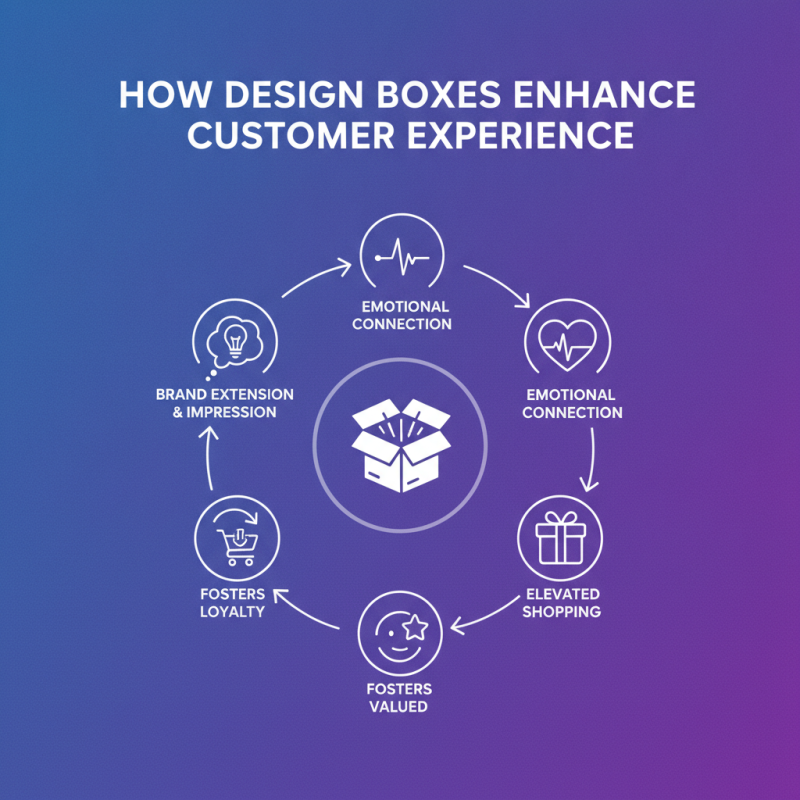
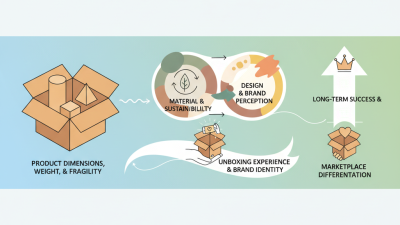
Design boxes serve as an extension of your brand. They create a first impression that lingers long after unboxing. Customers connect emotionally with your product through thoughtful packaging. Unique designs can elevate the shopping experience, making customers feel valued and appreciated. This emotional bond fosters loyalty and repeat business.
Tips for effective design boxes include using colors that reflect your brand identity. Choose materials that align with the product's values, whether it's eco-friendly or luxurious. Keep the design simple but eye-catching. Avoid clutter to convey a clear message.
Another point to consider is the unboxing experience. Customers love surprises. Adding small, personalized notes or samples can enhance their delight. Remember, your design boxes reflect your commitment to quality. Imperfections in packaging can lead to reflections on your brand ethos. Keeping it genuine can resonate better than a flawless but soulless design.
Effective packaging design is crucial in today’s competitive market. According to a study by the Paper and Packaging Board, 72% of consumers believe packaging design influences their purchasing decisions. Companies must create boxes that are not only functional but also visually appealing.
When designing packaging boxes, consider the materials used. Eco-friendly options are increasingly sought after, as consumers become more environmentally conscious. The use of sustainable materials can enhance brand perception. Additionally, incorporating unique shapes can grab attention. Research indicates that packaging that stands out on shelves can increase sales by up to 30%.
Here are some tips for better packaging design:
- Keep it simple. Cluttered designs can confuse buyers.
- Use high-quality graphics. Images should reflect the product's essence.
- Ensure that information is clear. Include all necessary labels and instructions.
It's crucial to iterate on designs based on customer feedback. Not every design will hit the mark on the first try. Embrace imperfections and evolve the design to meet consumer needs. Analyzing consumer reactions helps refine the packaging boxes. This approach not only enhances usability but can significantly elevate brand loyalty.
| Dimension | Description | Importance | Best Practice |
|---|---|---|---|
| Material Quality | The type of material used for packaging | Ensures durability and protection of contents | Use eco-friendly materials to enhance brand image |
| Design Aesthetics | The visual appeal of the packaging | Attracts customer attention and builds brand identity | Incorporate unique shapes and colors |
| Functionality | Ease of use for the consumer | Enhances customer experience | Make boxes easy to open and reseal |
| Brand Messaging | Communication of brand values through packaging | Strengthens customer loyalty | Include a tagline or brand story on the box |
| Sustainability | Environmental impact of packaging choices | Appeals to eco-conscious consumers | Utilize recyclable or biodegradable materials |
© 2007 - 2025 The Custom Packaging. All right reserved.