
Cosmetic Packaging
Display Packaging
CBD Packaging
Retail Packaging
Product Packaging
Cigarette Packaging
Candle Packaging
Soap Packaging
Chocolate Packaging
Vape Packaging
Food Packaging
Gift Packaging
Bakery Packaging Boxes
Pizza Packaging
Bottle Packaging
Garments Packaging
Custom Printed Bags
Christmas Packaging
Toy Packaging
Cereal Packaging
Jewelry Packaging
Apparel Packaging
Shipping Packaging
Custom Pre Roll Boxes
Dispenser packaging
Eco Friendly Packaging
Custom Health Packaging
Pharmaceutical PackagingAs we approach 2026, businesses worldwide are reevaluating their packaging solutions. The importance of sustainable and reliable packaging has never been greater. Kraft boxes have emerged as a preferred choice due to their eco-friendly properties and versatility.
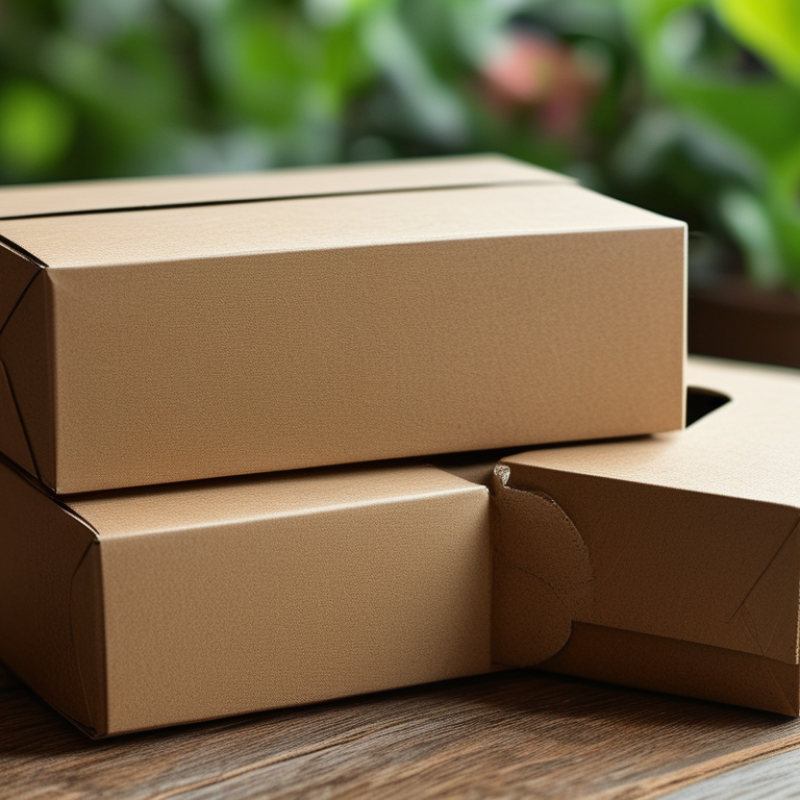
These boxes are made from recycled materials, making them an excellent option for environmentally conscious brands. In recent years, kraft boxes have gained popularity across various industries. They serve not only as durable protection for products but also enhance brand image through their natural aesthetic.
However, companies must be cautious with their packaging choices. Not all kraft boxes are created equal. It's essential to assess quality and design to meet specific needs. Striking a balance between sustainability and effectiveness can be challenging. Yet, thoughtful decisions will lead to successful packaging solutions in 2026 and beyond.
In 2026, the demand for kraft boxes is expected to rise significantly. The global packaging market is projected to reach over $500 billion. This surge presents opportunities for businesses to optimize their packaging strategy. Kraft boxes, known for their durability and eco-friendliness, are at the forefront of this movement.
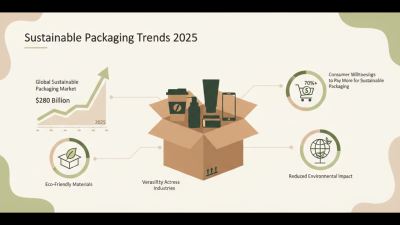
Several types of kraft boxes are suitable for diverse packaging needs. For instance, unbleached kraft boxes are often favored for their natural appearance and strength. These boxes are often used in food packaging, as they are recyclable and compostable. A recent industry report highlighted that 70% of consumers prefer brands that use sustainable packaging. This trend indicates a shift towards more responsible consumer choices.
In contrast, printed kraft boxes allow businesses to elevate their branding while keeping their packaging eco-friendly. Companies benefit from customization, capturing consumer attention in a crowded marketplace. However, achieving the right balance between aesthetics and functionality remains a challenge. Brands must ensure the quality of graphics does not compromise the box's structural integrity. This delicate interplay necessitates constant innovation and reflection on packaging strategies.
| Type of Kraft Box | Dimensions (L x W x H in inches) | Weight Capacity (lbs) | Application Area | Eco-friendliness Rating |
|---|---|---|---|---|
| Mailing Kraft Box | 12 x 9 x 3 | 5 | E-commerce | High |
| Kraft Gift Box | 10 x 10 x 5 | 10 | Gift Packaging | Medium |
| Kraft Food Box | 8 x 8 x 4 | 7 | Food Packaging | High |
| Kraft Shipping Box | 14 x 10 x 6 | 15 | Shipping | High |
| Customized Kraft Box | Varies | Varies | Custom Merchandise | Variable |
Kraft boxes are rapidly gaining popularity in the packaging industry due to their eco-friendly nature. A recent report from Smithers indicates that the sustainable packaging market is expected to reach $1 trillion by 2027. This growth is largely driven by consumer demand for environmentally responsible products. Kraft boxes seamlessly align with this trend, showcasing an attractive blend of durability and biodegradability.
Using Kraft paper can lead to significant resource savings. According to the Paper Task Force, using recycled paper can save up to 60% of energy compared to new paper production. This is crucial as industries search for ways to minimize their carbon footprint. Furthermore, Kraft boxes are versatile. They come in various sizes and strengths, making them ideal for different products. Whether for retail items or shipping, they're easily customizable.
However, there are challenges in sourcing high-quality Kraft paper consistently. The market can sometimes be dependent on fluctuating wood prices, impacting availability. Companies seeking sustainable solutions must remain adaptable and vigilant. Balancing cost, quality, and sustainability can be tricky. As the need for eco-friendly packaging solutions rises, Kraft boxes stand out but come with their own set of considerations.
Customizing kraft boxes for your packaging needs opens up a world of creativity. Brands now seek unique designs that stand out. The combination of ecological friendliness with innovative styles makes kraft boxes a preferred choice. With various printing techniques available, companies can incorporate vibrant graphics or minimalist designs. This versatility allows brands to express their identity effectively.
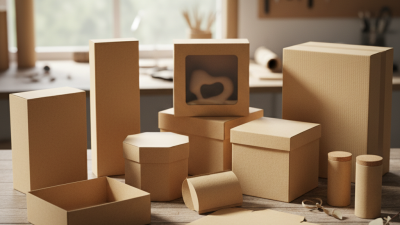
When thinking about customization, consider the size and shape of your kraft boxes. A well-sized box adds functionality. Adding windows or special cut-outs can enhance visual appeal. Such details can captivate potential customers' attention quickly. However, if not carefully implemented, these designs may miss the mark or look cluttered. It’s essential to strike a balance between creativity and clarity.
Additionally, eco-friendly materials offer reliable options for sustainable branding. This aspect resonates with today's environmentally conscious consumers. However, there’s a looming challenge of sourcing these materials consistently. Brands must evaluate their suppliers' reliability to ensure sustainable practices. Achieving this balance can strengthen consumer trust.
In 2026, the kraft box manufacturing industry will face numerous challenges and opportunities. Sustainability will continue to dominate. More companies are seeking eco-friendly packaging to meet consumer expectations. This shift influences raw materials and production processes, pushing manufacturers toward recyclable options. However, finding the right balance between cost and quality remains difficult for many.
Consumer trends will shape kraft box design significantly. Brands now demand customized packaging solutions that reflect their identity. This demand requires innovative thinking in design and production. Adapting to varying market requirements can complicate manufacturing processes. Each design has unique limitations and benefits, necessitating careful evaluation.
Emerging technologies will also play a critical role. Automation and digital printing can enhance efficiency and reduce waste. However, implementing these technologies requires investment and training. Not every company can afford these upgrades, creating disparity in the market. The landscape is evolving, and businesses must reflect constantly on their strategies to remain competitive.
Kraft packaging is gaining traction globally as consumers become more environmentally conscious. In 2026, this trend is expected to grow, driven by a demand for sustainable solutions. Kraft boxes offer eco-friendly alternatives to traditional packaging, reducing plastic use. Their natural aesthetics appeal to brands seeking authenticity. This shift reflects a larger movement towards sustainability in packaging.
Many companies are also innovating with Kraft materials. This includes using recycled fibers, which can lower their carbon footprint. Brands are exploring different styles and finishes, enhancing visual appeal. However, not all developments are flawless. Some improvements may not meet quality standards or increase costs unnecessarily. It's essential to balance sustainability with functionality.
As the industry evolves, education plays a crucial role. Businesses need to understand the benefits of various Kraft options. Increased consumer awareness will likely drive further demand. However, not every brand will adapt effectively. This gap can create challenges in meeting market expectations. Finding the right production methods will be key to success.
© 2007 - 2025 The Custom Packaging. All right reserved.