
Best Rigid Boxes for Global Buyers Looking to Purchase?

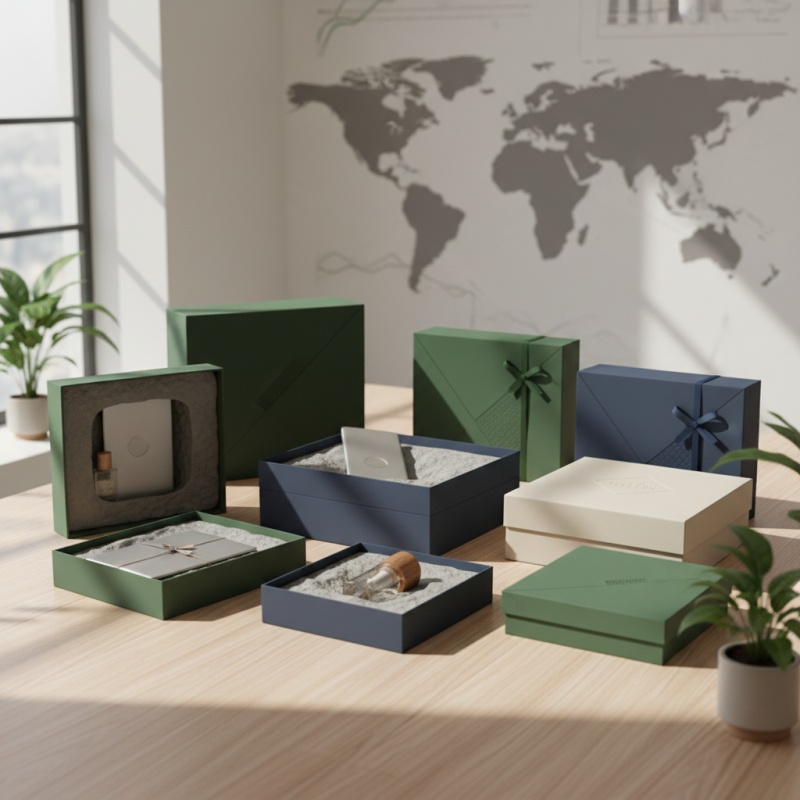
The demand for rigid boxes is growing globally. According to a recent market analysis published by Smithers Pira, the rigid box market is expected to reach $5 billion by 2025. This growth is attributed to the increasing demand for premium packaging solutions across various sectors, including cosmetics, electronics, and gift industries. Rigid boxes not only enhance product visibility but also offer superior protection.

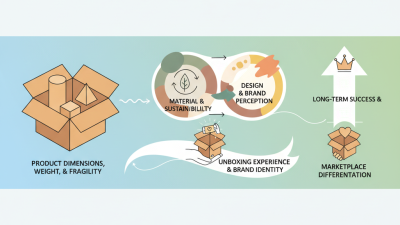
Brands today are seeking innovative packaging methods. Rigid boxes are often viewed as a mark of quality. They project luxury and provide an exceptional unboxing experience, which is crucial in a competitive market. However, choosing the best rigid boxes can be challenging. Factors like material quality, design options, and sustainable practices must be considered. Various suppliers offer different solutions, but not all meet the highest standards.

There is also a rising concern about sustainability. While many manufacturers are improving their practices, some still lag behind. It’s vital for global buyers to scrutinize suppliers. Transparency in sourcing and manufacturing processes is necessary. The best rigid boxes not only look good but also align with eco-friendly values. Choosing wisely ensures both product protection and brand integrity.

Best Rigid Boxes for Global Buyers Looking to Purchase?

Types of Rigid Boxes Available for Global Buyers

Best Rigid Boxes for Global Buyers Looking to Purchase?

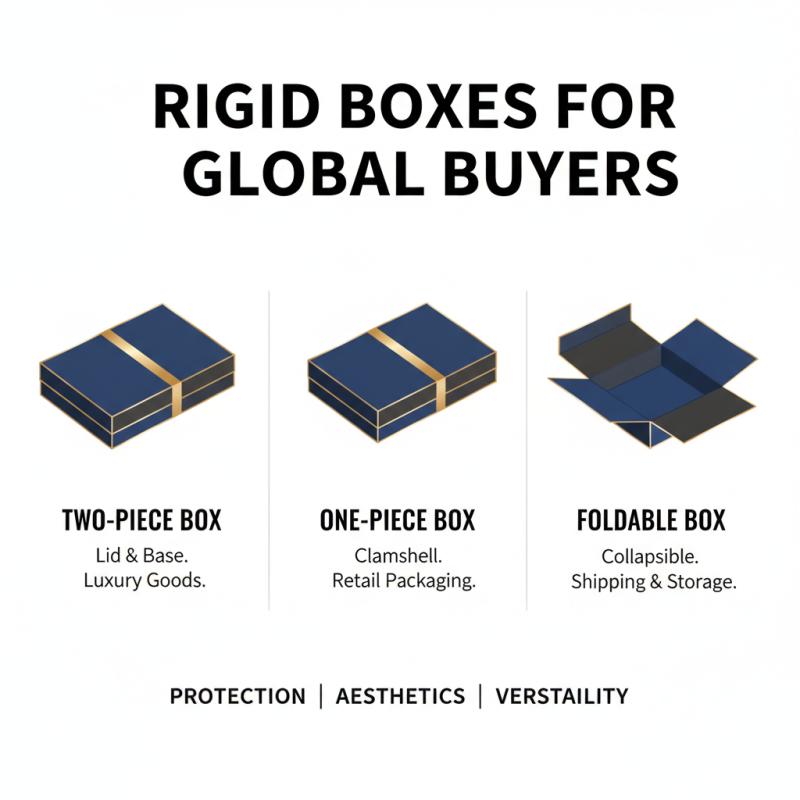
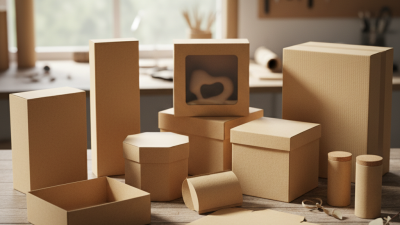
Rigid boxes come in various types, each catering to specific needs. These sturdy packaging solutions offer protection and aesthetic appeal. They are great for luxury products and sensitive items. Common styles include one-piece boxes, two-piece boxes, and foldable rigid boxes. Each type provides a unique approach to packaging.

One-piece boxes are often preferred for their simplicity. They offer a seamless design that is easy to assemble. Two-piece boxes, on the other hand, consist of a separate lid and base, providing more structure. Customers appreciate their sturdiness during shipping. Foldable rigid boxes combine convenience and strength. They provide ease of storage when not in use.

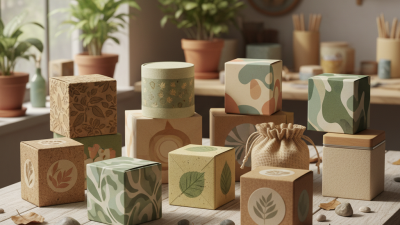
When selecting rigid boxes, buyers should consider materials. High-quality paperboard is commonly used for its durability. Eco-friendly options are also gaining popularity. However, not all buyers prioritize sustainability. Cost can be a deciding factor. It's essential to weigh the visual appeal against budget constraints. Every choice made impacts the customer experience and brand reputation.

Key Features to Consider When Choosing Rigid Boxes

When selecting rigid boxes, several essential features must be considered. Start with material quality. High-quality materials ensure durability and protection for the contents. Without strong materials, the box can easily be damaged. This might lead to lost sales or customer dissatisfaction. Make sure to assess the thickness and texture of the paperboard used. A sturdy finish can elevate the perceived value of the packaged product.

Next, consider the design and functionality. Think about how the box opens. Magnetic closures or tuck flaps can enhance user experience. This detail might seem minor but can significantly impact the unboxing experience. Additionally, evaluate the size and shape of the box. Custom dimensions cater to specific products, preventing movement inside the box. This can reduce the risk of damage during shipping.

Finally, aesthetics should not be overlooked. Colors and branding elements create a strong first impression. An attractive design can attract buyers and encourage purchases. It's essential to ensure that your design aligns with your brand identity. However, be cautious of trends that may quickly become outdated. Striking a balance between uniqueness and timeless appeal is crucial.

Sales Volume of Rigid Boxes by Material Type

Popular Materials Used in Rigid Box Manufacturing

Rigid boxes have gained popularity worldwide for their durability and aesthetic appeal. Key materials used in rigid box manufacturing include paperboard, chipboard, and plastic. According to a recent industry report, paperboard accounts for approximately 70% of the market share. This material is favored for its versatility and ability to be printed in various designs. The ability to customize paperboard allows brands to create eye-catching packaging that attracts consumers.

Chipboard is another popular choice, known for its sturdiness. It is often used when weight capacity is a concern. Many manufacturers appreciate chipboard because it can be produced from recycled materials, aligning with sustainable practices. In fact, the demand for eco-friendly packaging is rising steadily, with 54% of consumers indicating they prefer brands that prioritize sustainability.

Plastic, while less common in rigid box production, offers unique advantages. It is waterproof and can be molded into intricate designs. However, it poses challenges in terms of recyclability. This balance between durability and environmental impact is essential for brands to consider. Many companies are assessing their material choices to improve the overall lifecycle of their products and align with consumer expectations.

Best Rigid Boxes for Global Buyers Looking to Purchase? - Popular Materials Used in Rigid Box Manufacturing

Material Type Durability Weight Eco-Friendliness Cost (per unit)
Paperboard Moderate Lightweight Yes $0.50
Bamboo High Lightweight Highly Eco-Friendly $1.00
Plastic Very High Heavyweight No $1.50
Wood Very High Heavyweight Moderately Eco-Friendly $2.00

Top Suppliers and Manufacturers of Rigid Boxes Worldwide

Best Rigid Boxes for Global Buyers Looking to Purchase?

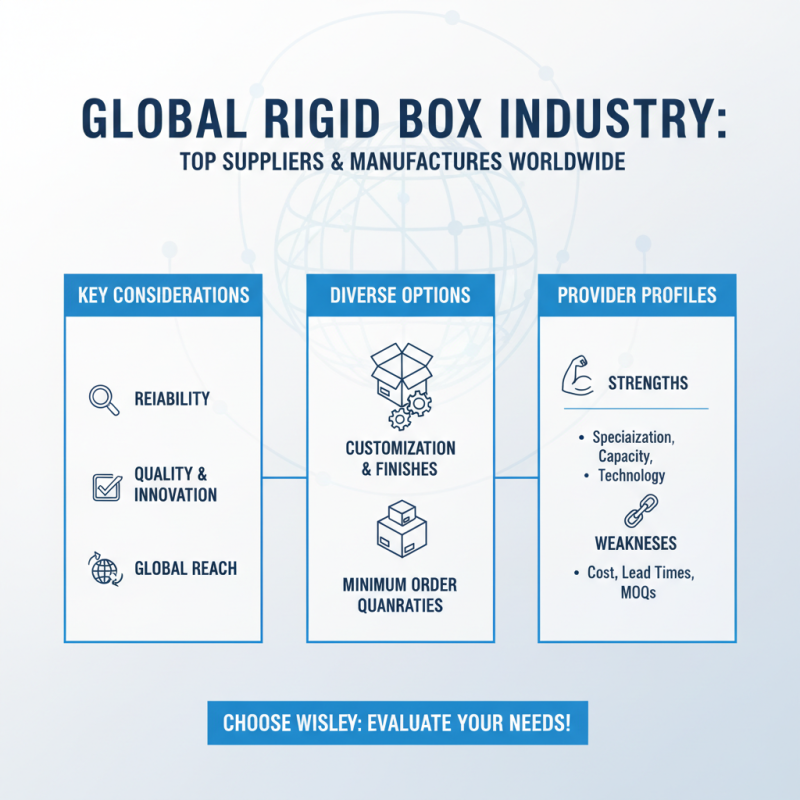
When sourcing rigid boxes, it's crucial to identify reliable suppliers and manufacturers. Many global companies specialize in this area, providing various options. Each supplier exhibits unique strengths and weaknesses, impacting the overall purchasing experience.

Consider quality as a primary factor. Some manufacturers excel in sustainable materials. Others may focus on premium finishes. Exploring these aspects can guide your decision-making. Look for suppliers with a proven track record and positive client feedback. A good reputation often correlates with exceptional service and product quality.

Communication is vital. Clear and timely responses can indicate a supplier's reliability. Seeking samples before placing bulk orders is wise. Some companies may provide excellent communication but lack consistency in product quality. Reflect on your needs carefully, ensuring that your choice aligns with your brand vision and practical requirements.

Cost Factors and Budgeting Tips for Rigid Box Purchases

When considering rigid boxes for purchase, budgeting is crucial. The cost can vary greatly based on materials, design, and quantity. Quality materials ensure durability, but they can also increase the price. If buyers want to save costs, opting for simpler designs might be wise. Custom features can enhance aesthetics but could strain budgets.

Tips: Always get multiple quotes. Doing so allows for better comparisons. Look for bulk discounts if larger quantities are needed. This can significantly lower the per-unit cost.

Also, factor in shipping and handling. These costs can add up quickly, especially for international purchases. Be mindful of hidden fees that can arise during the ordering process.

Another consideration is the timeline. Urgent orders often incur rush fees. Planning ahead can help avoid these expenses. Reflect on your needs and flexibilities. This can lead to better budgeting and more effective purchasing strategies.