2026 Best Take Out Boxes for Restaurants?

Choosing the best take out boxes for restaurants in 2026 means looking beyond price and appearance. A box must protect food during packing, stacking, and delivery. It should also suit the dishes your kitchen actually serves. A crisp sandwich, saucy noodles, and a hot grain bowl create very different packaging demands. Small details matter. A secure lid can prevent spills, while a poorly sized container may leave food shifting in transit. Ventilation matters, too: trapped steam can soften fried foods before they reach the customer.

This guide compares practical options by material, shape, durability, and everyday usability. It considers how containers handle heat, moisture, portion sizes, and storage space behind the counter. Cost per order is important, but the cheapest option may not be the best value if it leaks or requires extra bags. Sustainability claims also deserve a closer look. Materials and local recycling access vary, so check supplier details rather than relying on labels alone. Not every box works. Product specifications offer a useful starting point, but they cannot fully reproduce a busy service period. Test shortlisted containers with your own menu, sauces, and delivery routes before ordering in bulk. A few honest trials can reveal weaknesses that a catalog photo will miss. There is no single winner for every restaurant; the right choice depends on your food, workflow, budget, and customer expectations.

2026 Best Take Out Boxes for Restaurants?

What Takeout Boxes Are and How Restaurants Use Them

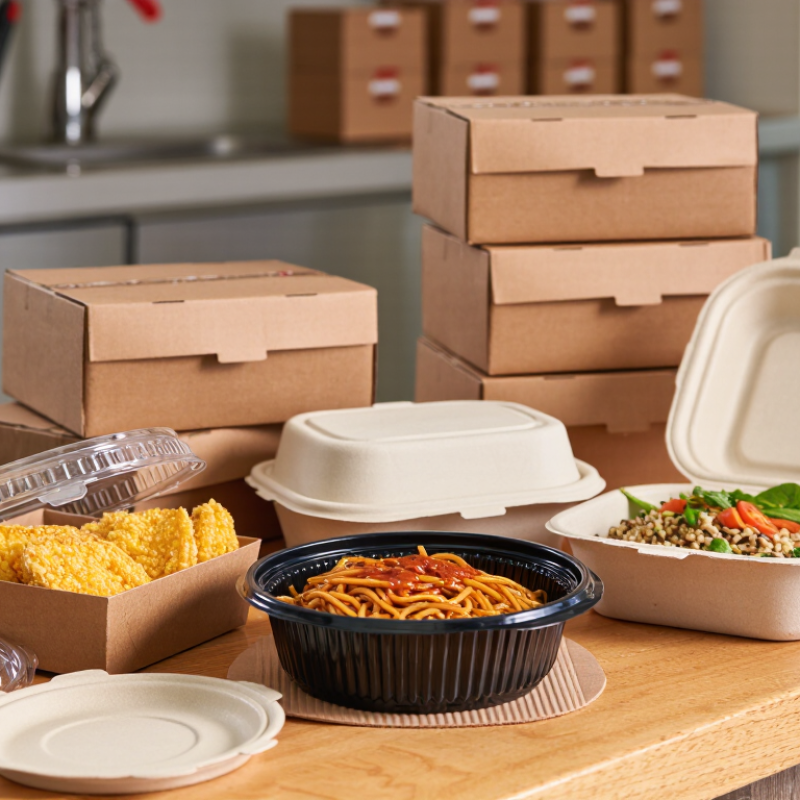
Takeout boxes are containers restaurants use to protect prepared food while it travels from the kitchen to a customer. They come in different shapes, sizes, and materials, including paperboard, molded fiber, and plastic. The right choice depends on the meal, not just its price. A shallow box can keep a sandwich from sliding, while a divided container helps separate rice from saucy dishes. Small details matter.

In a busy kitchen, staff use boxes to portion orders, pack meals, and keep food organized for pickup or delivery. A secure lid helps prevent spills, but trapped steam can soften crisp food. Vent holes may help with fried items, while leak-resistant seams matter for soups and dressings. Staff should check that containers close properly and remain stable when stacked. A quick test with a real menu item can reveal problems that an empty box hides.

Choosing packaging takes some judgment. A container may look sturdy on a shelf yet bend under a hot, heavy meal. Restaurants also need to consider storage space, packing speed, and whether customers can open the box without spilling its contents. It is easy to focus only on appearance. That can be a mistake. Materials and disposal options vary by location, so restaurants should check what local waste services actually accept.

Common Takeout Box Materials and Designs in 2026

In 2026, restaurant takeout boxes commonly use paperboard, molded fiber, aluminum, or reusable plastics. Each works differently. Paperboard is light and easy to stack, making it practical for sandwiches, bakery items, and many dry meals. A grease-resistant lining helps with oily foods, but coatings can affect how a box is recycled. Check the packaging specifications rather than assuming every paper box belongs in curbside recycling.

Molded fiber, often made from plant-based pulp, suits bowls and hinged containers. It feels sturdy, though hot, wet meals can soften some designs over time. Aluminum handles heat well and can be useful for baked dishes, but it is unsuitable for microwave reheating. Plastic containers provide clear visibility and secure lids; choose food-contact-rated options and match the material to the food and reheating instructions. Design matters too. A tight lid helps prevent spills, while small vents can reduce condensation in crisp foods. Too much venting, though, may let a meal cool quickly. There is no perfect box for every menu.

Tips: Test boxes with real portions before ordering in bulk. Leave a little headroom for sauces, check lids after a short delivery-style shake, and note whether steam makes fries or bread soggy. Ask suppliers for temperature and food-contact information. Small details matter. A box that looks sturdy on a shelf may flex when carried with a full soup container.

2026 Best Take Out Boxes for Restaurants? – Common Takeout Box Materials and Designs in 2026
Material Common Box Designs Good Fit For Practical Strengths Key Considerations End-of-Life Notes
Coated paperboard Folding cartons, tuck-top boxes, trays, and windowed boxes Sandwiches, baked goods, dry sides, and some sauced foods when the coating is suitable Lightweight, printable, and available in many shapes; can stack efficiently when properly designed Paperboard can soften or leak with moisture and grease unless its barrier is designed for the food Recycling depends on local rules and the coating; food residue or plastic-lined construction can limit acceptance
Molded fiber Hinged clamshells, compartment trays, bowls, and fitted lids Fried foods, burgers, rice dishes, and meals that benefit from some ventilation Rigid, nestable, and often made from recycled fiber or plant-based pulp Uncoated fiber may absorb oil or liquid; lids and closures vary in fit and leak resistance May be recyclable or compostable only where local facilities accept the specific product; coatings and food contamination matter
Corrugated paperboard Pizza-style boxes, delivery cartons, and larger meal boxes Pizza, family meals, bakery orders, and foods needing a sturdy outer package Fluted structure adds rigidity and cushioning while keeping the package relatively light Bulky compared with flat paperboard; steam can soften the material and affect crispness Often recyclable when clean and dry; grease-soaked sections may need to be removed according to local guidance
Polypropylene (PP) Hinged clamshells, lidded containers, and multi-compartment meal trays Hot meals, saucy dishes, and foods commonly reheated in a microwave-safe container Lightweight and resistant to many food acids and moisture; some designs are labeled for microwave use Heat and reheating suitability depend on the exact container; check the manufacturer’s food-contact and use instructions Recycling availability varies by location and container format; empty and clean containers where required
Polyethylene terephthalate (PET) Clear hinged clamshells, deli containers, and snap-on-lid boxes Cold foods, salads, desserts, and items where product visibility is useful Clear, lightweight, and commonly used for cold-food packaging Standard PET containers are generally intended for cold or moderate-temperature use, not hot-food reheating Many areas accept certain PET packaging in recycling programs, but local rules and container shape affect acceptance
Bagasse (sugarcane fiber) Clamshells, plates, bowls, and divided trays Hot meals, takeout combinations, and some oily or moist foods when the product is rated for that use Made from sugarcane-processing fiber; rigid molded shapes can support varied meal portions Moisture, grease, and heat performance differ by product; check whether a barrier coating is used Composting is facility-dependent; “compostable” does not mean suitable for home composting or accepted everywhere
Aluminum Foil trays with board lids, crimped containers, and compartment pans Baked entrees, roasted foods, and dishes that need an oven-compatible container Good heat transfer and a strong barrier to light, moisture, and gases Not suitable for microwave use; confirm oven use and lid compatibility before specifying a package Aluminum is recyclable in many programs when accepted and reasonably clean; food residue and local collection rules matter

How to Compare Boxes for Performance, Cost, and Sustainability

Choosing takeout boxes is a service decision, not just a packaging purchase. In its 2024 State of the Restaurant Industry, the National Restaurant Association found 47% of U.S. adults consider takeout essential. Small failures travel far: a warped base, loose lid, or sauce leak can spoil a meal before arrival. Test boxes with your own portions, hot and cold, across a typical delivery window. Check stacking, venting, grease resistance, and whether lids stay shut on a bumpy ride. Details matter. Not always.

Compare cost per successful order, not unit price alone. Include lids, sleeves, storage space, packing time, and replacements after leaks. The EPA’s 2018 Advancing Sustainable Materials Management report puts U.S. containers and packaging at 82.2 million tons. That was 28.1% of municipal solid waste. Material labels do not settle sustainability. A paper box with a plastic lining may be difficult to recycle locally; compostable packaging only works where collection and processing accept it. Verify local rules and supplier documentation, then trial a small batch. There is no perfect choice: durability can require more material, while thinner boxes may increase food waste. Track damage and disposal feedback by menu item before standardizing.

Choosing Takeout Boxes for Different Foods and Service Styles

2026 Best Take Out Boxes for Restaurants?

Choosing Takeout Boxes for Different Foods and Service Styles

The right takeout box protects food without making service harder. Match the container to the meal’s moisture, heat, and travel time. Ventilated fiber boxes can help fried foods stay crisp, while tight-sealing containers suit soups and saucy dishes. Steam needs an exit. For rice bowls or layered meals, sturdy compartments can keep ingredients apart until customers are ready to eat. Check that lids close securely, even when staff pack orders quickly during a rush.

Tips: Test boxes with real menu portions, not empty samples. Pack a hot meal, carry it for 20 minutes, then check for leaks, sogginess, and loosened lids. For delivery-heavy service, prioritize stackability and spill resistance. For counter pickup, easy opening may matter more. Confirm that any claimed compostable packaging is accepted by local facilities; availability varies.

One size rarely works for every dish. That sounds obvious, yet mixed menus make standardizing tempting. A container that fits noodles may leave a sandwich sliding around. Review box sizes alongside portion sizes, and consider how staff will store and assemble them. Cost matters, but a cheaper box can create more waste if it leaks or fails to protect the food. Small trials help; they won’t predict every delivery, though.

Food Safety and Packaging Regulations Restaurants Should Consider

Choosing takeout boxes is not only a question of size or leak resistance. Food-contact materials should be suitable for the food they hold and the conditions they face, such as heat, grease, or microwave use. Ask suppliers for documentation on intended uses, and check applicable food-safety requirements in your area. Rules can vary by location.

Keep hot and cold foods at safe temperatures during packing and delivery; a sturdy box cannot make unsafe handling safe. Separate items when sauces, raw ingredients, or allergens could transfer between foods. Clear labels can help staff and customers identify meals and declared allergens. Details matter. A label is useful only when the recipe and kitchen procedures support it.

Review local rules for required information and packaging claims, including terms such as recyclable or compostable. Those claims may depend on local collection facilities, not just the material itself. Staff should know which containers are approved for each dish, especially when switching between hot soup and chilled desserts. That sounds simple. In practice, rushed service can blur the system, so test the workflow during a busy shift and revise it when problems appear.