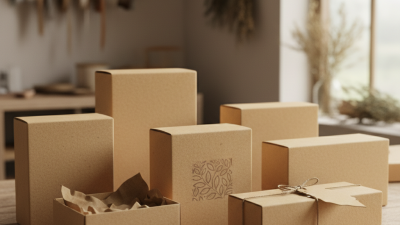
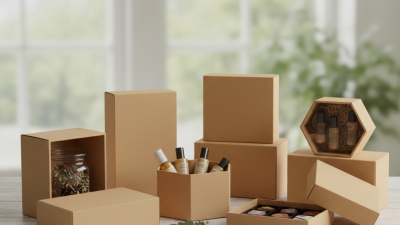
Small Kraft Boxes Best Options for Eco-Friendly Packaging?
In recent years, the demand for eco-friendly packaging has surged. Companies are seeking sustainable options to reduce their environmental impact. One notable solution is small kraft boxes. These boxes are made from recycled materials and are fully biodegradable. According to the 2021 Sustainable Packaging Report, 74% of consumers prefer brands that use eco-friendly packaging. This statistic highlights a significant market shift toward sustainability.
Small kraft boxes provide a practical packaging option for various products. They are lightweight, robust, and customizable to fit brands' identities. However, businesses must navigate challenges with sourcing and consumer education. Despite their many advantages, some customers are unaware of the benefits of using such sustainable materials. Effective communication and transparency are crucial.
Moreover, the production process for small kraft boxes requires careful consideration. While they are largely eco-friendly, not all brands meet high sustainability standards. Companies must question their supply chains and packaging practices. As eco-conscious consumers grow in number, the packaging industry must adapt and innovate to meet their expectations.
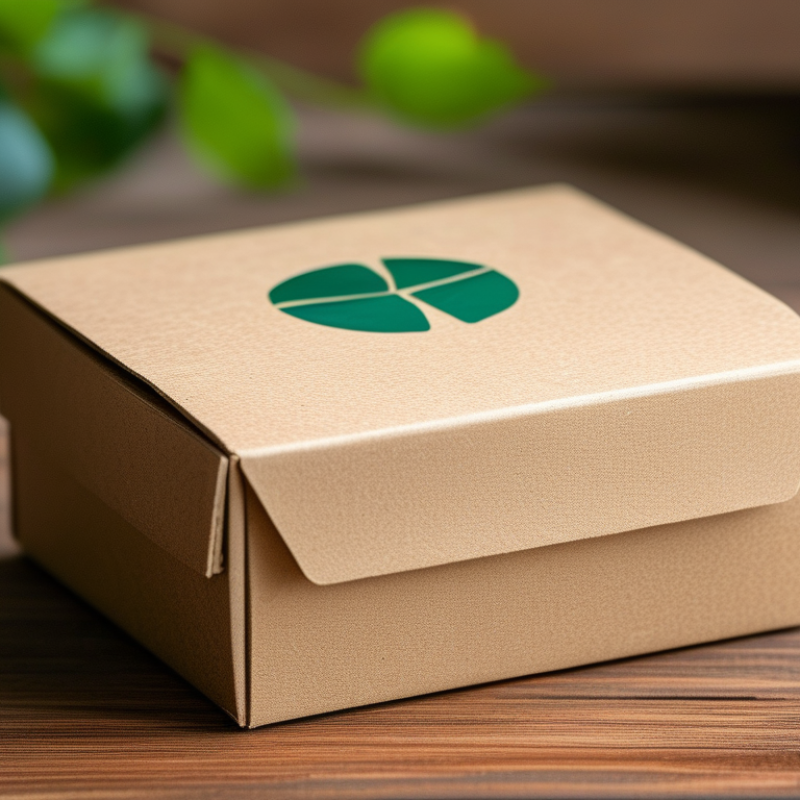
Benefits of Using Small Kraft Boxes for Eco-Friendly Packaging
Small Kraft boxes are gaining popularity for eco-friendly packaging. Their natural brown color comes from unbleached paper, making them biodegradable. This aligns with sustainability goals, appealing to environmentally conscious consumers.
One clear benefit of using small Kraft boxes is their versatility. They are suitable for various products, from cosmetics to food items. Their sturdy structure offers protection during shipping, reducing losses. This durability is essential for maintaining product integrity.
Tips for choosing the right Kraft box:
- Assess your product size. A snug fit avoids unnecessary movement.
- Opt for custom designs. Personalization can enhance brand identity.
- Consider eco-friendly inks for printing. This further minimizes environmental impact.
However, it's important to reflect on potential downsides. Kraft paper may not always provide a waterproof barrier. If moisture is a concern, additional protection might be necessary. Balancing aesthetics with functionality is vital. Emphasizing eco-friendliness should not compromise the user experience.
Materials and Sustainability of Kraft Paper in Packaging Solutions
Kraft paper has gained attention in eco-friendly packaging. Its strength and low impact on the environment make it a popular choice. A report from the Fiber Box Association shows that Kraft paper accounts for about 80% of box production in North America. This highlights its significance in sustainable packaging solutions.
Kraft paper is made from wood fibers, primarily sourced from sustainably managed forests. This reduces deforestation and promotes reforestation efforts. A study by the École Polytechnique Fédérale de Lausanne found that Kraft packaging generates 76% less CO2 emissions compared to plastic alternatives. This statistic underscores its contribution to reducing carbon footprints.
However, it's essential to consider the entire lifecycle of packaging materials. While Kraft paper is recyclable and biodegradable, it may still require chemical treatments, which can affect its sustainability. Additionally, not all Kraft products are created equal. Some contain additives that may hinder recyclability. Awareness of these aspects is crucial for making informed choices in eco-friendly packaging.
Design Considerations for Small Kraft Boxes in Eco-Conscious Brands
When designing small Kraft boxes for eco-conscious brands, several factors require consideration. Every detail matters, from the material choice to the box's functionality. Sustainable materials should be top of mind. Kraft paper is an excellent option due to its recyclability. This choice not only reduces waste but also aligns with eco-friendly values.
Tip: Use soy-based inks for printing. These inks are less harmful to the environment compared to traditional options. This small adjustment can enhance brand messaging. Additionally, consider minimalism in design. A clean, simple appearance can resonate well with consumers who prioritize sustainability.
The structure of your box impacts packaging efficiency. Ensure your box is easy to assemble and transport. Over-engineering can lead to excess material use, which contradicts sustainability goals. Reflect on design flaws that might arise from aesthetics over practicality. Sometimes, less is indeed more. Maintain a focus on functional design while echoing your brand’s ethical stance.
Cost-Effectiveness of Small Kraft Boxes Compared to Other Packaging Options
Small Kraft boxes are gaining popularity as a cost-effective solution for eco-friendly packaging. According to a recent report by Smithers Pira, the demand for sustainable packaging is projected to grow by 20% annually. These boxes offer a lightweight option with biodegradable properties, making them ideal for businesses aiming to reduce their carbon footprint.
When comparing small Kraft boxes to other packaging options, cost-efficiency becomes evident. Research indicates that Kraft paper is 30% cheaper than plastic alternatives. This lower cost does not compromise quality. Kraft boxes provide durability and protection for products during transit. They are also customizable, allowing brands to showcase their identity without incurring high costs.
However, it is essential to consider that not all Kraft boxes are created equal. Some may not meet the rigorous standards of sustainability and durability. This inconsistency can lead to unexpected expenses in the long run. Brands must ensure they choose reputable suppliers who prioritize sustainability. While small Kraft boxes present a promising option, businesses should conduct thorough research to verify claims and ensure they align with their eco-friendly initiatives.
Examples of Businesses Successfully Using Small Kraft Boxes
Small kraft boxes are gaining popularity among various businesses aiming for eco-friendly packaging solutions. Many companies have successfully employed these boxes for their products. One notable example is the cosmetics industry. Eco-conscious brands use small kraft boxes to package skincare products. These boxes not only protect the items but enhance their presentation. The natural texture of kraft paper appeals to environmentally aware consumers.
Another sector utilizing small kraft boxes is the food industry. Bakeries and snack producers opt for these containers for their goods. These boxes provide a rustic look that attracts customers. They are sturdy enough to hold various food items while remaining recyclable. However, some businesses struggle with printing limitations on kraft paper. This can impact branding efforts. Despite these challenges, many find that the benefits outweigh the drawbacks, enhancing their brand's sustainability image.
Small Kraft Boxes Best Options for Eco-Friendly Packaging? - Examples of Businesses Successfully Using Small Kraft Boxes
| Business Type |
Product Type |
Packaging Size (cm) |
Recyclability |
Sustainability Features |
| Cosmetics |
Natural Skin Creams |
10 x 10 x 5 |
Yes |
Made from recycled materials, biodegradable ink |
| Food & Beverage |
Organic Herbal Tea |
15 x 10 x 7 |
Yes |
Soy-based inks, compostable packaging |
| Crafts |
Handmade Soaps |
8 x 6 x 4 |
Yes |
Recycled paper and non-toxic dyes |
| E-commerce |
Fashion Accessories |
12 x 8 x 3 |
Yes |
Minimalistic design, reusable packaging |

 Cosmetic Packaging
 Display Packaging
 CBD Packaging
 Retail Packaging
 Product Packaging
 Cigarette Packaging
 Candle Packaging
 Soap Packaging
 Chocolate Packaging
 Vape Packaging
 Food Packaging
 Window Packaging Boxes
 Gift Packaging
 Bakery Packaging Boxes
 Pizza Packaging
 Bottle Packaging
 Garments Packaging
 Custom Printed Bags
 Christmas Packaging
 Toy Packaging
 Cereal Packaging
 Jewelry Packaging
 Apparel Packaging
 Shipping Packaging
 Custom Pre Roll Boxes
 Dispenser packaging
 Eco Friendly Packaging
 Custom Health Packaging
 Pharmaceutical Packaging