Top 10 Injection Molding Innovations at China Import and Export Fair?
The upcoming China Import and Export Fair, set for April 2026, promises to showcase significant advancements in the Injection Molding industry. Experts are eager to see how innovations will reshape manufacturing. Dr. John Stevens, a leading figure in Injection Molding technology, remarked, "Innovation in our field is crucial for sustainability and efficiency."
As manufacturers face mounting pressure to reduce waste and enhance productivity, Injection Molding innovations could be game-changers. The integration of AI-driven solutions will likely create more efficient supply chain pathways. The adoption of smart technologies at the fair will reveal how companies leverage automation for better results.
However, challenges remain. Not all manufacturers can access cutting-edge technologies. Some might struggle with implementing these innovations due to cost or lack of expertise. The exhibition will highlight these disparities, prompting critical conversations on how to bridge the gap in the Injection Molding sector. Stakeholders will need to reflect on how to foster inclusivity and make advancements accessible to all.
Recent Advancements in Injection Molding Technology
The injection molding industry is evolving rapidly. Recent advancements are impressive. New materials are enhancing product quality and durability. For instance, biodegradable polymers are gaining traction. They offer a sustainable alternative for many applications.
Automation is another focal point. Robotics are streamlining operations, leading to efficiency. However, the initial investment can be daunting. Companies must weigh costs against long-term gains. Additionally, smart technology is integrating with molding machines. This allows for real-time monitoring and adjustments, though implementation can be complex.
Another exciting development is multi-component injection molding. This technique creates sophisticated parts in one cycle. It reduces assembly time and boosts productivity. Still, it demands precision and skill from operators. The industry must invest in training to ensure effective use. Overall, these innovations are shaping the future, but challenges and learning opportunities remain.
Key Players Showcasing Innovations at the China Import and Export Fair
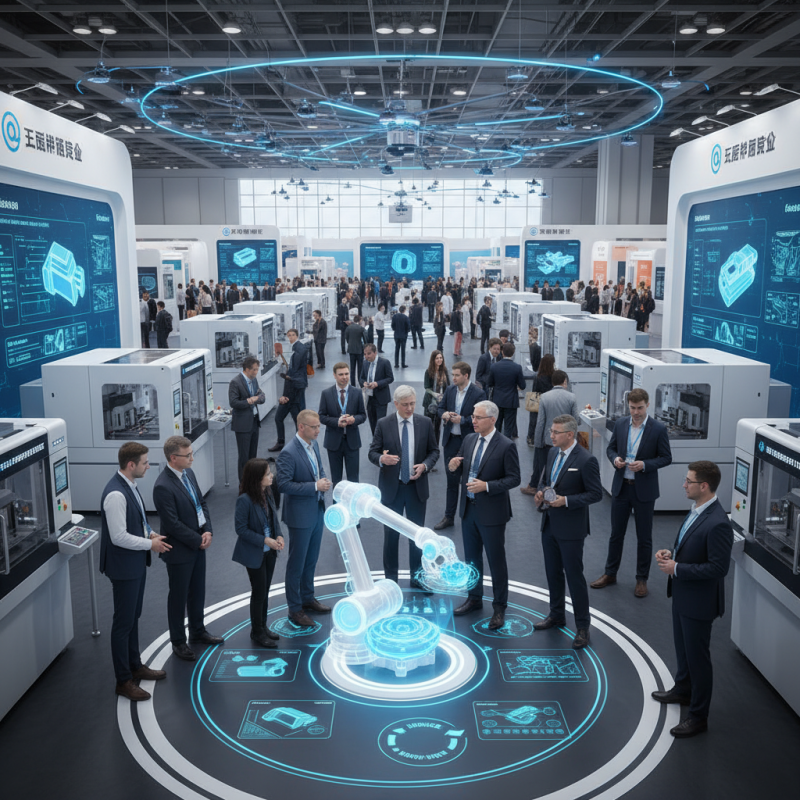
The China Import and Export Fair is a hub for innovation in injection molding. Industry leaders showcase their advancements, sparking interest among visitors. This year's event features groundbreaking techniques and equipment that promise to redefine manufacturing standards.
Key players highlight energy-efficient machinery and sustainable materials. The focus is on reducing waste while maintaining quality. Some innovations aim to enhance precision, yet not all meet expectations. Visitors often provide feedback, urging further improvement. The balance between speed and accuracy remains a challenge in the industry.
Machine designs are increasingly modular, allowing for customization. However, adaptability can sometimes compromise performance. Exhibitors express a need for further testing. The blend of creativity and practicality in designs continues to evolve, even if there are bumps along the way. The energy is palpable, as participants strive for excellence in every mold.
Top 10 Injection Molding Innovations at China Import and Export Fair
This chart displays the impact ratings of the top 10 injection molding innovations showcased at the China Import and Export Fair. Each innovation has been rated based on its potential influence on the industry.
Sustainable Materials and Processes in Injection Molding Developments
The injection molding industry is evolving with a significant focus on sustainable materials. Biodegradable plastics are gaining traction, driven by environmental concerns. These materials decompose more easily, reducing waste. They promise a brighter future for manufacturing.
Another area of innovation is energy-efficient processes. These methods aim to lower energy consumption during production. Advanced techniques, such as optimized cooling systems, make a difference. They can save costs while minimizing carbon footprints. However, the adoption rate remains slow, posing challenges.
Still, some issues need addressing. The performance of sustainable materials can vary. Product strength and durability are crucial factors. Manufacturers must balance eco-friendliness with functionality. Continual testing and refinement are necessary for long-term success. The journey toward sustainability in injection molding is ongoing, with both opportunities and challenges ahead.
Impact of Automation and AI on Injection Molding Efficiency
The impact of automation and AI on injection molding efficiency is profound. Automation can enhance production rates significantly. According to a recent industry report, companies that implement automation see an increase of up to 30% in output. AI algorithms can optimize the molding process, reducing waste and improving quality. They analyze real-time data, leading to adjustments in machine settings.
However, not all companies adapt smoothly. Integration challenges remain a hurdle. Some businesses struggle to train staff on new technologies. Misalignment of AI predictions and human input can cause errors. This friction can slow down production, negating efficiency gains. Companies must invest in training and change management to truly benefit from these innovations.
Tips: Start small with automation. Gradually integrate AI tools. Monitor the transition closely to identify issues early. Regularly review and adjust processes for optimal results. Collaboration among teams can also ease the adjustment period. Clear communication is key to overcoming resistance to change.
Top 10 Injection Molding Innovations at China Import and Export Fair
| Rank | Innovation | Description | Impact on Efficiency | Automation Level |
| 1 | Smart Mold Technology | Use of smart sensors to monitor mold conditions in real-time. | Increase in precision and reduction of waste. | High |
| 2 | AI-Driven Process Optimization | Utilizing AI algorithms to optimize injection molding processes dynamically. | Reduction in cycle time and energy consumption. | Medium |
| 3 | Robotic Automation Systems | Implementation of robotic arms for handling and assembly. | Increased production speed and safety. | High |
| 4 | 3D Printing Molds | Use of 3D printing to create custom molds on demand. | Flexible design capabilities and reduced lead time. | Medium |
| 5 | Data Analytics for Predictive Maintenance | Using data analytics to predict equipment failures before they happen. | Minimized downtime and maintenance costs. | High |
| 6 | Integrated Manufacturing Systems | Full integration of injection molding processes into one system. | Streamlined operations and enhanced communication. | High |
| 7 | Sustainable Materials Development | Development of biodegradable and recycled materials for molding. | Lower environmental impact and compliance with regulations. | Low |
| 8 | Virtual Reality for Design Validation | Using VR to simulate and validate mold designs before production. | Fewer design errors and faster approvals. | Medium |
| 9 | Adaptive Control Systems | Systems that adapt injection parameters in real-time. | Enhanced part quality and consistency. | High |
| 10 | Cloud-Based Monitoring Solutions | Cloud technology for monitoring injection molding operations remotely. | Improved oversight and decision-making. | Medium |
Emerging Trends in Product Design for Injection Molding Applications
Emerging trends in product design for injection molding applications show a significant shift towards sustainability and efficiency. Designers are increasingly focusing on reducing material waste. They aim for designs that maximize the use of existing resources. Simplified geometries and modular components are becoming more common. These strategies not only enhance efficiency but also maintain aesthetic appeal.
Feedback from industry experts highlights a growing interest in multifunctional products. Designers are tasked with creating parts that serve various purposes. This challenges traditional concepts of design and functionality. Sharp contrasts in materials and textures are also popular. These elements contribute to the visual impact while adhering to practical requirements.
However, challenges remain. The balance between innovation and cost-effectiveness is not easy to achieve. Many designers face constraints that limit their creativity. An ongoing dialogue about materials and processes is essential. This will ensure that new ideas can be explored without losing sight of feasibility. Continuous reflection on methods will empower designers to push boundaries.

 Cosmetic Packaging
 Display Packaging
 CBD Packaging
 Retail Packaging
 Product Packaging
 Cigarette Packaging
 Candle Packaging
 Soap Packaging
 Chocolate Packaging
 Vape Packaging
 Food Packaging
 Window Packaging Boxes
 Gift Packaging
 Bakery Packaging Boxes
 Pizza Packaging
 Bottle Packaging
 Garments Packaging
 Custom Printed Bags
 Christmas Packaging
 Toy Packaging
 Cereal Packaging
 Jewelry Packaging
 Apparel Packaging
 Shipping Packaging
 Custom Pre Roll Boxes
 Dispenser packaging
 Eco Friendly Packaging
 Custom Health Packaging
 Pharmaceutical Packaging