
Cosmetic Packaging
Display Packaging
CBD Packaging
Retail Packaging
Product Packaging
Cigarette Packaging
Candle Packaging
Soap Packaging
Chocolate Packaging
Vape Packaging
Food Packaging
Gift Packaging
Bakery Packaging Boxes
Pizza Packaging
Bottle Packaging
Garments Packaging
Custom Printed Bags
Christmas Packaging
Toy Packaging
Cereal Packaging
Jewelry Packaging
Apparel Packaging
Shipping Packaging
Custom Pre Roll Boxes
Dispenser packaging
Eco Friendly Packaging
Custom Health Packaging
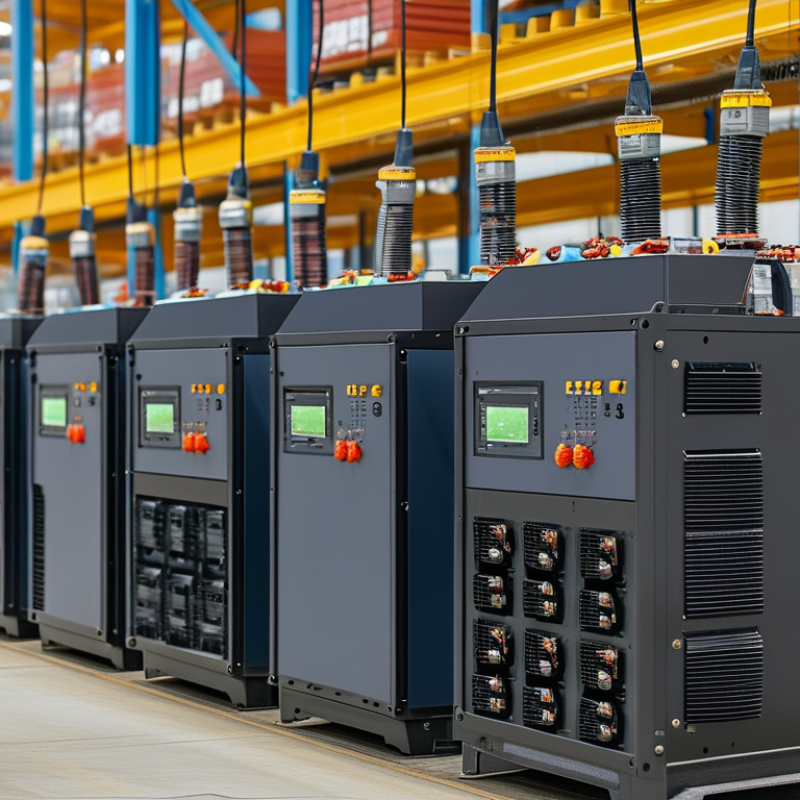
Pharmaceutical PackagingWhen selecting an Industrial Inverter, buyers face a multitude of options. The right choice can significantly impact efficiency and productivity. These devices convert DC to AC power, enabling various industrial applications. Understanding key features is crucial for making an informed decision.
Buyers must recognize that not all inverters are created equal. Performance, durability, and compatibility vary widely across brands. Each application may require different specifications. Some inverters excel in high-load scenarios while others operate best in smaller settings.
Ultimately, the goal is to find an Industrial Inverter that meets specific needs. This choice can enhance operational efficiency, reduce energy costs, and maximize return on investment. Choosing wisely is essential, as the wrong decision may hinder productivity. The market offers numerous choices, but focusing on quality and reliability is paramount.
When selecting industrial inverters, buyers must consider various essential factors. Efficiency is crucial. High-efficiency inverters lead to reduced energy consumption and lower operational costs. This is especially important in large manufacturing setups where power usage can greatly impact profitability. A reliable inverter minimizes downtime and keeps operations running smoothly.
Buyers should also pay attention to the control options available. Advanced inverters offer customizable settings. This feature allows for better integration with existing equipment. Consideration of the inverter's compatibility can help prevent future challenges. Users often reflect on the importance of these tailored controls after experiencing operational hiccups.
Durability is another key aspect. Industrial environments can be harsh on equipment. Inverters that withstand temperature extremes and vibrations will likely perform better in the long run. Buyers sometimes overlook this factor, leading to frequent repairs. Gathering feedback from previous users can provide insights into real-world performance. Reflecting on user experiences helps in making an informed decision.
Industrial inverters play a crucial role in modern manufacturing. They convert direct current (DC) into alternating current (AC), enabling machinery to function efficiently. Key types include pure sine wave inverters and modified sine wave inverters, each serving distinct applications. According to a recent industry report, the industrial inverter market is projected to grow at a CAGR of 5.4% from 2022 to 2028. This growth is driven by the rising need for energy-efficient solutions.
Pure sine wave inverters provide smooth and consistent power, making them ideal for sensitive equipment. Meanwhile, modified sine wave inverters are typically more affordable, serving less critical applications. Industrial settings often utilize these inverters in conveyor belts, pumps, and robotic systems. Their versatility is evident in their use across various sectors, from manufacturing to renewable energy installations.
Tip: Always assess the total wattage requirement of your machinery. Overestimating can lead to unnecessary costs. Also, consider the environmental factors where the inverter operates. High temperatures can affect performance and lifespan.
Selecting the right inverter can be overwhelming. Many buyers overlook compatibility with existing systems. A mismatch could lead to performance issues and increased operational costs. Always consult with professionals to ensure the best fit for your needs.
When selecting industrial inverters, several key features and specifications should be prioritized. Efficiency ratings are crucial. A significant report by the International Energy Agency reveals that improving efficiency can lead to energy savings of up to 20% in industrial applications. Look for inverters with high efficiency ratings, typically above 95%. This will ensure optimal performance and lower operational costs.
Consider the inverter's input and output voltage ranges. Different applications require specific voltage levels. Many industries operate at voltages between 380V and 690V. Choosing an inverter that can accommodate this range enhances flexibility. Furthermore, check for advanced features like regenerative braking and monitoring capabilities. These features help optimize the performance of machinery while extending equipment lifespan.
Durability matters too. Inverters must withstand varying environmental conditions. Some areas may experience dust, humidity, or extreme temperatures. According to industry standards, inverters should have an IP rating of at least IP54. This ensures protection from dust and splashes. Performance under these conditions is often overlooked but essential for continuous operation. Lastly, assess the warranty and support provided. A robust warranty indicates the manufacturer’s confidence in their product.
The industrial inverter market is evolving, showcasing trends that buyers must recognize. The demand for energy-efficient solutions is on the rise. Industries are focusing on sustainability and reducing operational costs. This shift is driving innovations in inverter technology. Advanced features like grid connectivity are becoming essential. Many manufacturers are exploring new materials to enhance performance and longevity.
Statistics reveal a growing interest in renewable energy sources. Solar and wind applications are prominent. As more companies invest in these areas, the need for reliable inverters increases. Data indicates a projected market growth of around 7% annually. However, this rapid growth poses challenges. Some manufacturers struggle to keep pace with technology advancements.
Quality assurance remains a critical issue. Buyers must evaluate the reliability of products. An inverter that fails can lead to significant downtime. It is crucial for businesses to prioritize suppliers with proven track records. Understanding market dynamics can help in making informed decisions.
In the rapidly evolving field of industrial inverters, future innovations promise to reshape how businesses optimize energy use. Researchers are focusing on improving efficiency and adaptability. New technologies may incorporate advanced semiconductors that can enhance power conversion processes. These developments could lead to inverters that significantly reduce energy losses.
Moreover, the integration of smart monitoring systems is gaining traction. These systems allow real-time performance tracking, enabling users to adjust settings for optimal efficiency. However, the challenge lies in ensuring compatibility with existing infrastructure. Some companies may struggle to adapt to these advancements. It's essential to evaluate these innovations carefully, understanding their potential benefits and limitations.
Energy storage integration is another area witnessing growth. As more industries adopt renewable energy sources, inverters must efficiently manage variable power inputs. This can lead to more dependable energy supply management. However, building a reliable framework for these integrations requires substantial investment and expertise. Companies must weigh these considerations against their operational goals and resource availability.
© 2007 - 2025 The Custom Packaging. All right reserved.