Top Mining Machinery Spare Parts Suppliers Worldwide
Mining operations depend on dependable components, from excavator track chains to crusher wear plates. A failed part can stop production, delay shipments, and increase safety risks. This guide examines top mining machinery spare parts suppliers worldwide through practical purchasing criteria, not attractive claims alone. It focuses on product quality, technical support, delivery capability, and documented industry experience.
A reliable Mining Machinery Spare Part supplier should understand harsh working conditions. Dust, vibration, heavy loads, and temperature changes quickly expose weak materials. Experienced suppliers can explain steel grades, heat treatment, dimensional tolerances, and compatibility with specific machine models. They should also provide inspection records, product drawings, warranty terms, and traceable batch information. Small details matter. A correctly fitted seal may prevent an expensive hydraulic failure.
Global coverage does not automatically mean dependable service. Some suppliers offer broad catalogs but limited engineering support. Others manufacture fewer items and respond faster when a customer needs an urgent replacement. Lead times, warehouse locations, packaging quality, and customs documentation deserve close attention. Independent references can reveal more than polished websites. However, supplier data may change, and not every online review is verifiable. That limitation deserves honesty.
The following overview compares recognized suppliers and explains where each may perform best. It considers original equipment manufacturers, specialized aftermarket producers, and regional distributors. The goal is practical guidance for maintenance managers, procurement teams, and mining contractors. No single supplier fits every operation. Site conditions differ. Careful verification remains essential before placing a major order.
Industry Scope and Role of Mining Machinery Spare Parts Suppliers
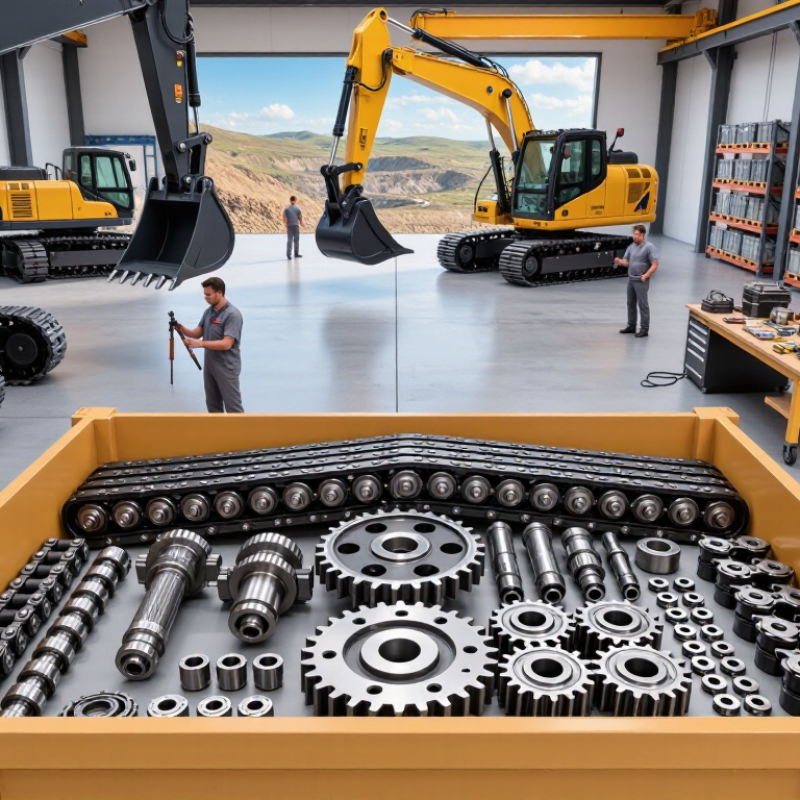
Mining machinery spare parts suppliers support the full operating cycle, from equipment commissioning to scheduled rebuilds. Their scope includes wear plates, hydraulic components, filters, bearings, seals, cutting tools, and electrical assemblies. In open-pit and underground operations, these parts protect production schedules and worker safety. A reliable supplier studies equipment models, working conditions, material hardness, and maintenance records before recommending a replacement. This is practical work.
Suppliers also connect manufacturers, maintenance teams, warehouses, and transport providers across different regions. They manage technical drawings, stock levels, delivery routes, customs documents, and applicable safety requirements. Quality control should include material certificates, dimensional reports, pressure tests, and batch records. Field experience matters here. A part may fit correctly but fail early in abrasive dust or extreme temperatures. That detail is often missed.
Strong suppliers provide emergency support, maintenance guidance, and realistic delivery estimates. They may recommend standard parts for routine servicing and engineered alternatives for unusual applications. Their technical staff should understand torque settings, installation limits, lubrication needs, and failure patterns. Still, no supply plan is perfect. Forecasts can fail when production changes suddenly or transport routes become unavailable. Mine teams should review consumption data and critical-stock levels regularly. Honest suppliers admit limitations, report delays early, and document corrective actions. That honesty builds trust.
Key Types of Mining Machinery Spare Parts and Their Applications
Mining machinery spare parts keep heavy equipment productive in harsh working conditions. Wear parts are among the most frequently replaced components. Bucket teeth, cutting edges, crusher liners, and conveyor idlers face constant abrasion. Their applications vary by material, load, and operating speed. A tooth used in hard rock needs a different profile from one used in loose soil. Small design differences matter.
Powertrain parts support movement and load handling. These include gears, bearings, drive shafts, filters, and seals. Hydraulic pumps, valves, hoses, and cylinders control excavation, lifting, and braking functions.
Electrical parts, such as sensors, connectors, and starter motors, help monitor temperature, pressure, and engine performance. A damaged seal may cause slow movement first. Later, it can contaminate the entire hydraulic system. That delay is expensive.
Reliable suppliers should provide accurate dimensions, material information, batch records, and installation guidance. Experienced maintenance teams compare hardness, tolerance, heat treatment, and service history before ordering replacements. They also inspect returned parts instead of blaming operators too quickly.
No replacement plan is perfect. I have seen a new bearing fail early because contamination entered during installation. Clean storage and correct torque are as important as the part itself.
Suppliers serving global mines must also manage varied climates, delivery routes, and equipment configurations. Clear technical communication reduces mistakes when a machine works hundreds of kilometers from the workshop.
Leading Supplier Regions and Distribution Networks Worldwide
Top Mining Machinery Spare Parts Suppliers Worldwide
Leading supplier regions are increasingly shaped by mine locations, transport access, and repair urgency. East Asia supports large-scale manufacturing and dense component networks. Europe remains strong in precision engineering and remanufactured parts. North America serves major open-pit operations with regional warehouses and technical field support. Gulf logistics hubs also connect suppliers with African and Middle Eastern mining districts.
Distribution depends on more than factory capacity. UNCTAD’s Review of Maritime Transport reports that over 80% of global merchandise trade by volume moves by sea. This makes ports, customs clearance, and inland trucking decisive for heavy parts such as crushers, hydraulic cylinders, and undercarriage assemblies. The World Bank’s Logistics Performance Index 2023 evaluates customs, infrastructure, shipment quality, tracking, and delivery timeliness. These factors should guide supplier selection, not catalog size alone.
Regional stock points can reduce equipment downtime, especially when mines operate far from industrial centers. A practical network may combine coastal warehouses, inland depots, and local service technicians. Small details matter. A sealed bearing needs dry storage. A large gear needs lifting equipment and verified packaging. However, global supply chains remain vulnerable to port congestion and sudden demand spikes. The map is efficient, but not flawless. Buyers should compare actual lead-time records, technical documentation, warranty procedures, and emergency inventory levels. Reported delivery promises often need closer examination.
Top Mining Machinery Spare Parts Suppliers Worldwide
Regional distribution of the global mining equipment market in 2023. Asia-Pacific represented the largest demand center, supported by extensive mining activity, manufacturing capacity, and established aftermarket distribution networks.
Figures are regional market-share estimates compiled from publicly available mining equipment industry research. They represent regional demand and distribution potential rather than individual supplier or brand performance.

 Cosmetic Packaging
 Display Packaging
 CBD Packaging
 Retail Packaging
 Product Packaging
 Cigarette Packaging
 Candle Packaging
 Soap Packaging
 Chocolate Packaging
 Vape Packaging
 Food Packaging
 Window Packaging Boxes
 Gift Packaging
 Bakery Packaging Boxes
 Pizza Packaging
 Bottle Packaging
 Garments Packaging
 Custom Printed Bags
 Christmas Packaging
 Toy Packaging
 Cereal Packaging
 Jewelry Packaging
 Apparel Packaging
 Shipping Packaging
 Custom Pre Roll Boxes
 Dispenser packaging
 Eco Friendly Packaging
 Custom Health Packaging
 Pharmaceutical Packaging