
Cosmetic Packaging
Display Packaging
CBD Packaging
Retail Packaging
Product Packaging
Cigarette Packaging
Candle Packaging
Soap Packaging
Chocolate Packaging
Vape Packaging
Food Packaging
Gift Packaging
Bakery Packaging Boxes
Pizza Packaging
Bottle Packaging
Garments Packaging
Custom Printed Bags
Christmas Packaging
Toy Packaging
Cereal Packaging
Jewelry Packaging
Apparel Packaging
Shipping Packaging
Custom Pre Roll Boxes
Dispenser packaging
Eco Friendly Packaging
Custom Health Packaging
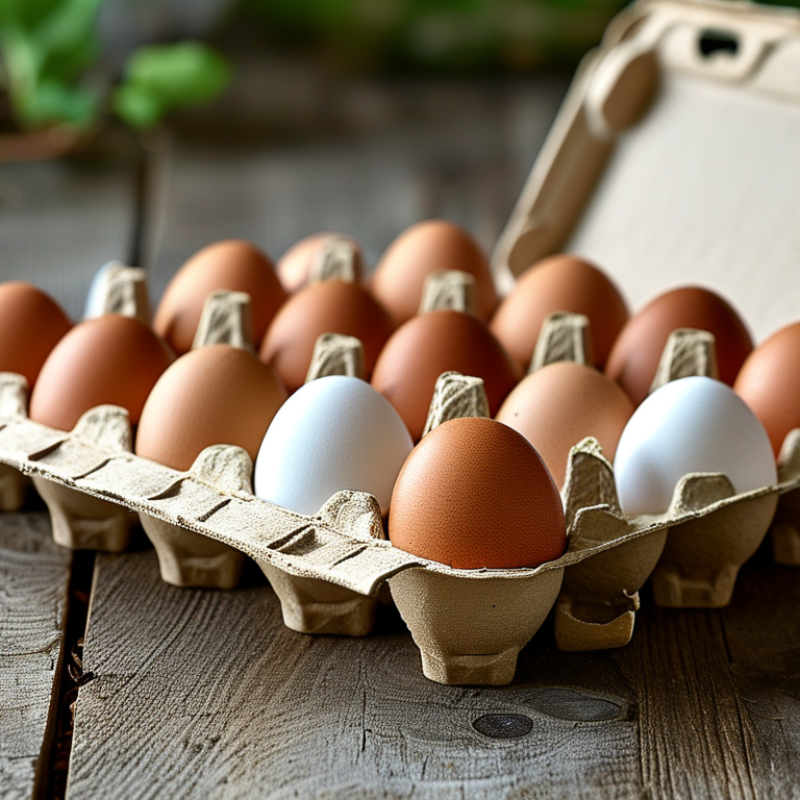
Pharmaceutical PackagingIn the world of egg distribution, the quality of packaging can significantly impact product integrity. Renowned expert Dr. Emily Carter, a leading figure in sustainable food packaging, once stated, "Choosing the right Egg Packing Boxes is crucial for preserving freshness." This insight underlines the importance of selecting suitable packaging for protecting eggs during transport and storage.
The variety of Egg Packing Boxes available globally can be overwhelming. From biodegradable options to sturdy traditional designs, each type has its advantages. The perfect choice not only ensures the eggs arrive intact but also meets the demands of modern consumers. For example, recycled paper boxes can offer eco-friendly benefits, appealing to environmentally conscious buyers.
However, selecting the ideal Egg Packing Boxes isn't without challenges. Companies must consider factors such as durability, cost, and material sourcing. There is also the issue of balancing functionality with consumer preferences. Taking the time to research and assess different options can lead to better packaging solutions.
Choosing the right egg packing boxes is crucial for global buyers. These boxes must ensure that eggs arrive safely at their destination. A sturdy design protects against breakage during transit. Materials such as recycled paperboard or molded pulp are often preferred for their durability and sustainability.
Consider the size and shape of the boxes. They should accommodate different egg sizes and amounts. Box designs vary widely, from simple trays to more elaborate packaging. Customization can enhance branding but may increase costs. It’s important to weigh these factors carefully.
Keep in mind that quality control is vital. Boxes should maintain consistent standards to prevent damage. A small crack can lead to major losses. Regular testing of materials and designs ensures reliability. Select suppliers who have a proven track record in maintaining high-quality products.
The packaging of eggs is crucial for maintaining quality and safety. Various types of egg packing boxes are designed to meet specific needs. These boxes can be made from materials such as plastic, cardboard, and pulp. According to the Egg Products Inspection Act, the right packaging minimizes breakage during transit.
A study by the American Egg Board highlights that over 30% of eggs can get damaged due to inadequate packaging. Corrugated boxes serve as a popular choice due to their sturdiness and lightweight nature. They also offer excellent insulation, keeping eggs at a stable temperature. This is vital for preserving freshness. On the other hand, molded fiber boxes are environmentally friendly and biodegradable. Their cushioned design effectively protects eggs from impact.
While selecting egg packing boxes, factors like production volume and shipping distance matter. Many buyers overlook these aspects, leading to unnecessary costs and waste. Additionally, the global market is seeing a shift towards reusable packaging solutions. This trend reflects changing consumer preferences. Research indicates that companies adopting sustainable practices experience a 10% increase in customer loyalty.
When considering eco-friendly egg packaging, the choice of material plays a crucial role. Many global buyers are turning to biodegradable options. Materials like recycled paper and molded pulp are popular due to their sustainability. These options are effective in protecting eggs while being gentle on the environment. They decompose naturally, reducing landfill waste.
Another material gaining traction is biodegradable plastic. It offers durability and moisture resistance. However, it raises questions about its long-term ecological impact. Buyers often grapple with balancing protection and environmental responsibility. The appeal of natural materials remains strong in this regard.
While seeking the best solutions, it's essential to reflect on the entire packaging process. How are materials sourced? What are their life cycles? Understanding these factors helps make informed decisions. It’s not always straightforward, and buyers often face trade-offs between cost and sustainability. This complex landscape requires thoughtful evaluation.
The demand for sustainable egg packing solutions is on the rise globally. According to a recent report by Research and Markets, the egg packaging market is projected to grow by 5% annually until 2025. This surge is driven by increasing consumer awareness about environmental issues and the push for eco-friendly materials.
Recyclable and biodegradable packaging options are becoming more popular. The use of materials like molded pulp and recycled cardboard is gaining traction. A study from the European Packaging Association noted that over 60% of consumers prefer brands that use sustainable packaging. This shift reflects a broader trend in the market, where a commitment to sustainability could boost brand loyalty.
However, not all manufacturers prioritize these solutions. Some still rely on traditional plastic packaging, which poses environmental challenges. Industry experts urge producers to invest in innovative materials. This transition is crucial as consumers become more discerning. Balancing costs with eco-friendliness remains a challenge. The industry must adapt to meet changing expectations while ensuring product safety.
| Type | Material | Capacity (eggs) | Sustainability Rating | Price Range (USD) |
|---|---|---|---|---|
| Pulpy Paper Box | Recycled Paper | 12 | High | 1.50 - 2.00 |
| Plastic Crate | Plastic | 30 | Medium | 5.00 - 7.00 |
| Biodegradable Box | Plant-based Materials | 6 | Very High | 2.50 - 3.50 |
| Foam Tray | Expanded Polystyrene | 24 | Low | 3.00 - 4.00 |
| Cardboard Box | Recyclable Cardboard | 18 | High | 2.00 - 3.00 |
| Wooden Crate | Wood | 12 | Medium | 10.00 - 15.00 |
| Molded Fiber Box | Molded Fiber | 10 | Very High | 3.00 - 4.50 |
| Plastic Clamshell | Clear Plastic | 6 | Low | 2.00 - 2.50 |
| Recycled Carton | Recycled Cartonboard | 30 | High | 1.00 - 1.50 |
| Egg Carton | Pulp | 12 | Medium | 2.00 - 3.00 |
When considering egg packing options, cost-effectiveness is crucial. Pricing varies depending on materials and design. For instance, cardboard and plastic are common choices. Cardboard boxes often range from $0.10 to $0.50 per unit. They are lightweight and environmentally friendly. However, their durability can be a concern in some cases.
Plastic containers are pricier, usually starting around $0.30, going up to $1.00. They offer better protection and can be reused. However, the environmental impact of plastic is significant. It's important to reflect on the balance between cost and sustainability. Sometimes, a slight increase in cost can lead to better quality.
Additionally, bulk purchases often come with discounts. Buyers should assess not only the immediate costs but also long-term benefits. Investing in quality packing may reduce damages during transport. In the end, the best choice aligns with both budget and values.
This article explores the top 10 egg packing boxes that global buyers should consider, highlighting the various types of egg packing solutions available in the market and their distinct features. It emphasizes the importance of eco-friendly materials in egg packaging, discussing the growing trend toward sustainable solutions as consumers become more environmentally conscious. Additionally, the article evaluates the cost-effectiveness of popular egg packing options, providing insights into the price range buyers may expect.
Furthermore, industry insights reveal key manufacturers leading the market in egg packaging boxes, showcasing innovative designs that cater to both functionality and sustainability. As the demand for responsible packaging continues to rise, global buyers are encouraged to make informed decisions when selecting egg packing boxes that align with their values and business goals.
© 2007 - 2025 The Custom Packaging. All right reserved.