
Cosmetic Packaging
Display Packaging
CBD Packaging
Retail Packaging
Product Packaging
Cigarette Packaging
Candle Packaging
Soap Packaging
Chocolate Packaging
Vape Packaging
Food Packaging
Gift Packaging
Bakery Packaging Boxes
Pizza Packaging
Bottle Packaging
Garments Packaging
Custom Printed Bags
Christmas Packaging
Toy Packaging
Cereal Packaging
Jewelry Packaging
Apparel Packaging
Shipping Packaging
Custom Pre Roll Boxes
Dispenser packaging
Eco Friendly Packaging
Custom Health Packaging
Pharmaceutical PackagingDisplay boxes are essential tools for merchandise presentation. They serve to attract customers and enhance product visibility. For global buyers, understanding the best options available is crucial.
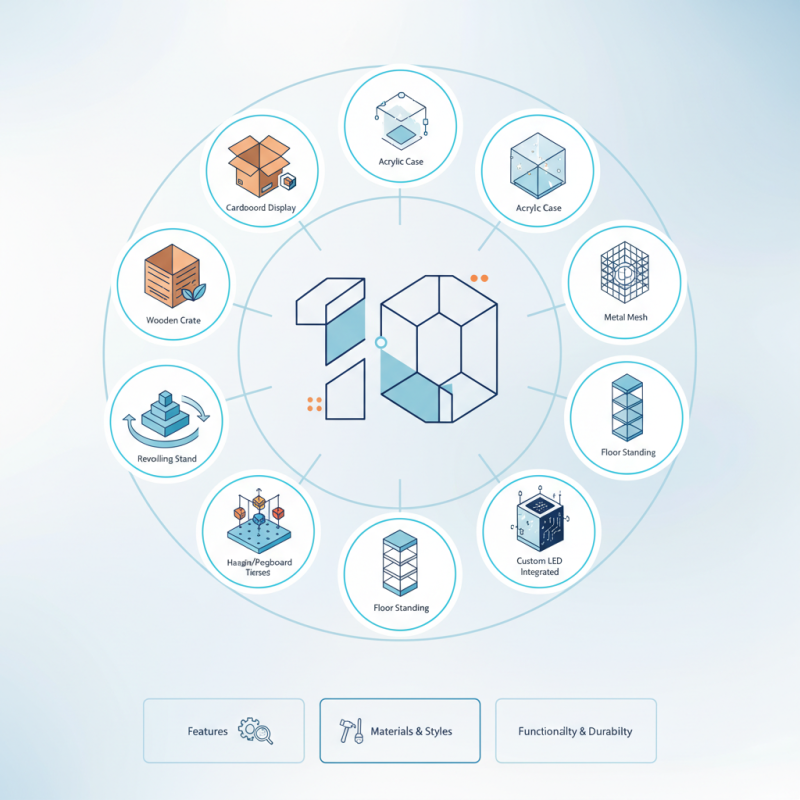
In this introduction, we will explore the top 10 display boxes that buyers should consider. Each option will highlight unique features, materials, and styles. You will find basic information on dimensions and design, which can impact customer attraction.
Choosing the right display boxes is not strictly about aesthetics. Functionality and durability are equally important. Not all display boxes fit every product. Reflect on the specific needs of your items and brand image. This guide aims to help you navigate the diverse options in the market.
Display boxes play a critical role in retail. They are essential for attracting customers and showcasing products effectively. A well-designed display box can enhance product visibility by up to 40%. According to a recent study, nearly 70% of purchasing decisions are made in-store, highlighting the importance of visual merchandising.
Global buyers need to understand the different types of display boxes available. Cardboard, acrylic, and wood are common materials. Each material offers unique benefits. Cardboard offers flexibility and cost-effectiveness. Acrylic is durable and provides a premium appearance, while wood can convey a sense of luxury. Choosing the right material can profoundly affect brand perception.
Moreover, sustainability is becoming a key factor in buyer decisions. Reports indicate that over 55% of consumers prefer brands using eco-friendly materials. This trend pushes companies to think critically about their packaging choices. Balancing aesthetics, functionality, and sustainability is an ongoing challenge. Not every option is perfect, and considerations must include brand message and target audience preferences. Understanding these aspects can lead to smarter purchasing decisions.
When selecting display boxes, key features are crucial for making informed decisions. Material quality plays a significant role. Display boxes made from sturdy materials ensure durability. A recent report from the Packaging Industry Association indicates that market demand for eco-friendly materials rose by 35% in 2023. Buyers should consider options that balance sustainability with robustness.
Size and design are vital aspects. Boxes should accommodate various products, ensuring safe presentation. An analysis revealed that 70% of consumers prefer unique packaging designs. This reflects the need for creativity. Flexible design can lead to increased brand visibility. However, striking the right balance between aesthetics and functionality is challenging. Many buyers overlook the significance of displaying products effectively.
Customization options are another critical feature. Tailored designs enhance brand identity. According to a study by the Custom Packaging Council, customized boxes can boost sales by up to 15%. It reveals the competitive advantage in personalization. Buyers may need to reconsider standard solutions. Thoughtful customization can create deeper connections with consumers. Make sure to weigh the pros and cons of various options when making choices.
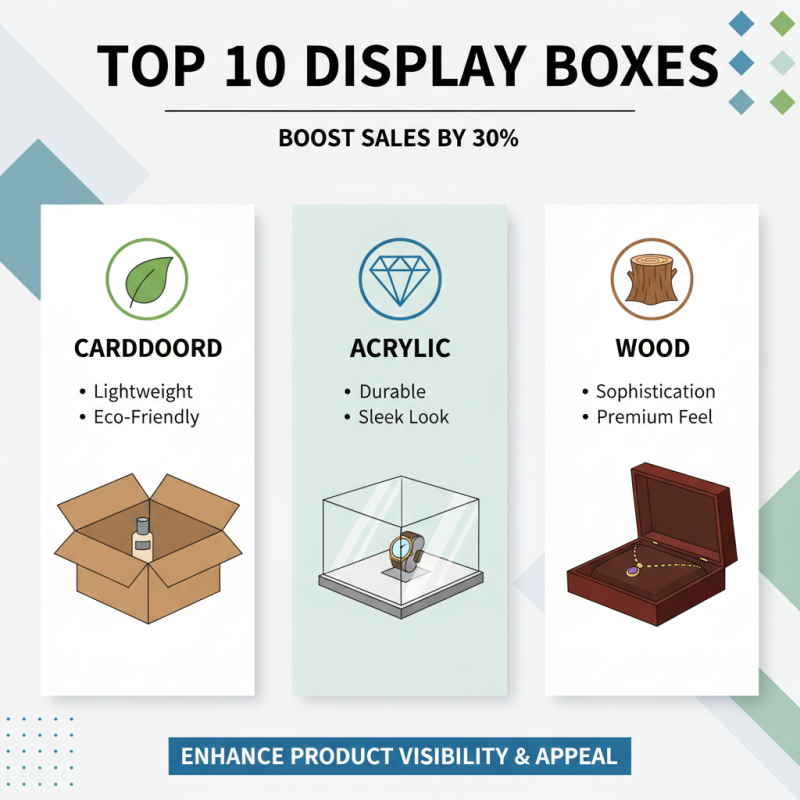
Display boxes play a crucial role in enhancing product visibility and appeal. Numerous reports indicate that well-designed display boxes can boost sales by up to 30%. They are commonly made from materials like cardboard, acrylic, and wood. Each material has distinct benefits. Cardboard is lightweight and eco-friendly. Acrylic is durable and offers a sleek look. Wood adds an air of sophistication.
When considering specifications, size and design matter significantly. For instance, a box that fits the product snugly prevents movement during shipping. A spacious design enables easy access while showcasing the product effectively. According to recent industry insights, the market for display boxes is set to grow by 5% annually, driven by an increase in e-commerce. Notably, while online trends gain traction, businesses often underestimate the importance of physical displays.
However, not all designs hit the mark. Some display boxes miss the target audience. Others fail in structural integrity. These shortcomings can lead to wasted materials and resources. Companies must invest in comprehensive research to ensure their display boxes resonate with customers. The specifications should align with market trends to avoid stagnation.
The demand for display boxes is on the rise. Factors like consumer preferences and marketing strategies shape this market. Buyers seek display boxes that are visually appealing and practical. Popular materials include cardboard, acrylic, and wood. Each has its unique advantages.
Cardboard display boxes offer flexibility in design and customization. They are lightweight and cost-effective, making them ideal for small businesses. However, durability can be a concern in high-traffic areas. Acrylic boxes, on the other hand, provide a sleek and modern look. Their transparency showcases products effectively. Yet, they can be more expensive and less environmentally friendly.
Wooden display boxes evoke a rustic charm. They are sturdy and can be crafted into various forms. However, the weight and cost may limit their use. Trends show a growing interest in eco-friendly materials. Sustainable choices appeal to conscious consumers. As trends evolve, the challenge is to balance aesthetics with functionality. Display boxes should be attractive but also meet practical needs.
Sourcing display boxes internationally requires careful planning. Global buyers should start by understanding local regulations. Different regions have unique standards for materials and safety. This knowledge can prevent costly compliance issues later on. A report from the Packaging Association indicates that 45% of product returns stem from packaging errors.
Understanding market trends is essential. The demand for eco-friendly materials is on the rise. Buyers need to consider sustainable options. A survey highlighted that 62% of consumers prefer brands using recyclable packaging. Ignoring this trend may alienate potential customers.
Identifying reliable suppliers is another challenge. International buyers often face difficulties in vetting suppliers. Industry benchmarks suggest that partnerships with certified manufacturers are more fruitful. These manufacturers often adhere to quality assurance processes. Scanning for online reviews and references helps build trust. However, not all reviews are reliable. So, it's crucial to analyze them critically. Balancing these considerations can greatly enhance sourcing success.
© 2007 - 2025 The Custom Packaging. All right reserved.