Top 10 CNC Vertical Machining Centers for Global Buyers?
In the competitive landscape of manufacturing, selecting the right CNC Vertical Machining Center is crucial. These machines are essential for precision and efficiency. They play a vital role in various industries, from aerospace to automotive. It is not just about the brand; the specifications matter too.
Understanding the features of a CNC Vertical Machining Center helps buyers make informed decisions. Consider the spindle speed, feed rate, and tool capacity. These elements directly impact production quality and efficiency. However, not all machines offer the same performance. Some may fall short of expectations, requiring careful research before purchasing.
For global buyers, evaluating different models becomes essential. Each center may bring unique advantages or drawbacks. Failing to recognize these differences could lead to poor investment choices. The right machine can enhance productivity and minimize operational issues. Exploring our list of top CNC Vertical Machining Centers can provide valuable insights. Discovering the right fit for your needs could reshape your manufacturing process.
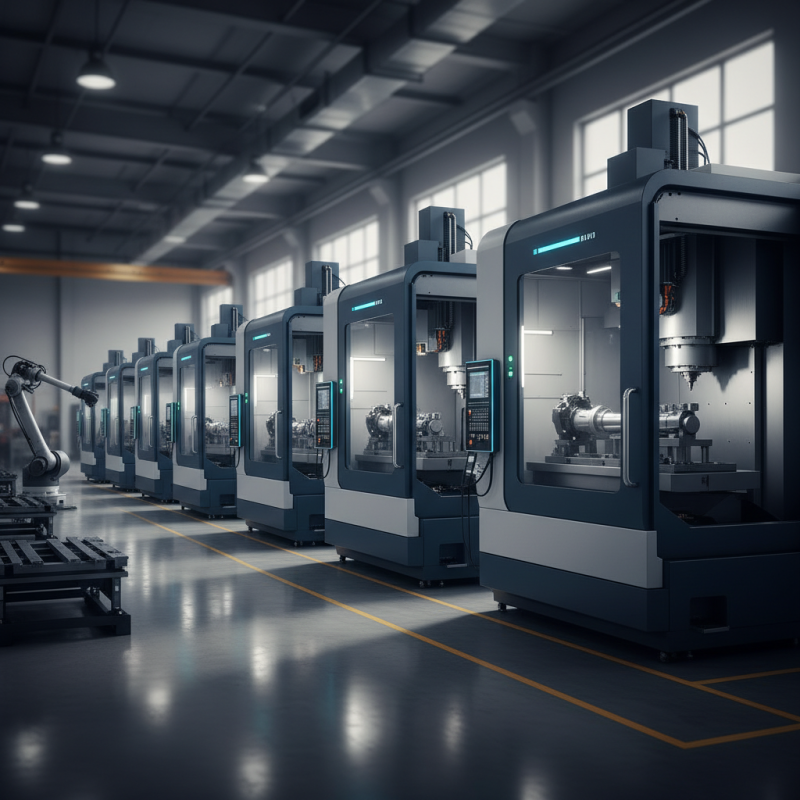
Overview of CNC Vertical Machining Centers
CNC vertical machining centers (VMCs) are pivotal in various manufacturing sectors. According to industry reports, the VMC market is projected to reach $6.5 billion by 2025, driven by the rising demand for automation and precision in machining tasks. VMCs enhance productivity by allowing multiple operations within a single setup, leading to significant time savings and reduced labor costs.
The capabilities of CNC VMCs have evolved over the years. Advanced models now include features like high-speed spindles, better thermal stability, and enhanced tool management systems. Data indicates that machines with higher spindle speeds can cut production time by 30%, allowing manufacturers to respond swiftly to market needs. However, not all facilities fully utilize these machines' potential. Many still rely on outdated practices, resulting in inefficiencies that hinder productivity.
Quality and precision are critical in machining processes. A report indicates that nearly 25% of machining failures stem from improper setup or programmation errors. Investing in employee training and machine maintenance can mitigate these issues. The shift towards smart manufacturing necessitates a reevaluation of operational protocols. As firms adopt new technologies, a focus on continuous improvement remains essential for maintaining competitiveness in this evolving landscape.
Key Features to Consider When Choosing a CNC Machining Center
When selecting a CNC vertical machining center, various key features demand careful consideration. Precision is crucial. A machine's spindle speed can significantly influence its performance. Many models offer speeds ranging from 5,000 to 20,000 RPM. This variability affects milling applications and overall efficiency. According to industry reports, a center with higher RPM tends to produce finer finishes and better tolerances.
Another aspect to evaluate is the machine's travel range. Vertical machining centers typically feature three-axis travel. The ranges vary, with many centers offering 20” to 40” in X, Y, and Z axes. This will affect the size of the parts you can manufacture. For complex operations, a 5-axis machine can provide added versatility. However, these machines can be more challenging to operate and may require specialized training.
Additionally, the control system of the CNC center plays a vital role in usability. User-friendly interfaces contribute to smoother operations and faster setup times. Some systems feature advanced capabilities, such as real-time monitoring and analytics. Reports suggest that centers with quality control integration can enhance production efficiency by up to 30%. Reflect on your team's training needs and how they align with new technologies. Balancing these factors can lead to informed investments for future machining endeavors.
Comparison of the Top 10 CNC Vertical Machining Centers
When comparing CNC vertical machining centers, several features stand out. Key considerations include speed, accuracy, and overall reliability. According to a recent industry report, the market for CNC vertical machining centers is projected to grow at a CAGR of 4.5% from 2023 to 2030. This growth indicates a rising demand for machines that can enhance production capabilities.
Precision is critical in machining. Some centers achieve tolerances within 0.001 inches, making them ideal for intricate components. However, users often struggle with the learning curve associated with advanced controls and software. Reports indicate that 20% of operators cited training as a barrier to achieving optimal performance.
Speed is another vital metric. High spindle speeds can significantly reduce cycle times. Yet, it is important to balance speed with stability. Machines that prioritize speed may suffer from vibrations, leading to potential inaccuracies. The challenge lies in finding a center that offers both efficient operation and robust construction. By carefully assessing these factors, buyers can make informed decisions tailored to their specific manufacturing needs.
Top 10 CNC Vertical Machining Centers Comparison
| Model | Max Spindle Speed (RPM) | Travel X/Y/Z (mm) | Tool Capacity | Control System | Weight (kg) |
| Model A | 12000 | 1000 / 600 / 600 | 24 | G-Code | 2500 |
| Model B | 10000 | 800 / 500 / 500 | 30 | ISO 14649 | 2200 |
| Model C | 15000 | 1200 / 700 / 700 | 20 | Fanuc | 3000 |
| Model D | 8000 | 900 / 600 / 500 | 25 | Siemens | 2400 |
| Model E | 11000 | 1000 / 500 / 500 | 16 | Mitsubishi | 2700 |
Applications and Industries Benefiting from CNC Vertical Machining
CNC vertical machining centers have revolutionized manufacturing across various industries. These machines excel in precision, making them ideal for automotive, aerospace, and medical applications. They create complex parts with tight tolerances that are crucial for safety-critical components. In these sectors, reliability and efficiency are paramount. Manufacturers often rely on CNC technology to enhance productivity and reduce waste.
Beyond machining metallic parts, these centers also handle materials like plastics and composites. This versatility opens new opportunities in industries such as electronics and consumer goods. Companies can produce lightweight components that meet demands for energy efficiency. However, not all organizations maximize the use of CNC vertical machining. Many struggle with workforce training or machine maintenance. Investing in operator skills is essential for achieving optimal results. Standardizing processes can help teams adapt and enhance productivity levels.
The medical field has also embraced CNC machining, especially in prosthetics and implants. Customization is a key factor in patient care. Nevertheless, challenges arise in meeting regulatory requirements. Staying compliant without sacrificing innovation requires constant effort. Hence, companies face the dilemma of balancing creativity with practicality. The potential for growth remains, but the path is not without obstacles.
Trend Analysis: CNC Machining Center Innovations and Development
The landscape of CNC machining centers is evolving rapidly. Recent innovations focus on enhancing precision and efficiency. Manufacturers are integrating advanced technology, like AI and IoT, into their designs. These improvements aim to streamline operations and reduce waste. For instance, real-time monitoring can boost productivity significantly. However, the implementation of such technologies requires skilled personnel. Training becomes essential to fully leverage these advancements.
Sustainability is another growing trend. Many buyers are seeking eco-friendly options in CNC machines. This shift is prompting manufacturers to explore materials and processes that minimize environmental impact. However, the balance between sustainability and performance remains a challenge. Traditional machines often outperform greener models. This presents a dilemma for buyers who prioritize both efficiency and ecological responsibility.
Additionally, there is a noticeable trend toward customization. Many businesses want tailored solutions that fit specific needs. While customizable features add value, they can also complicate the manufacturing process. Not all facilities are equipped to handle bespoke demands. This creates a gap that both manufacturers and buyers must navigate carefully. The journey of innovation in CNC machining continues, but it also calls for critical thinking and adaptability.

 Cosmetic Packaging
 Display Packaging
 CBD Packaging
 Retail Packaging
 Product Packaging
 Cigarette Packaging
 Candle Packaging
 Soap Packaging
 Chocolate Packaging
 Vape Packaging
 Food Packaging
 Window Packaging Boxes
 Gift Packaging
 Bakery Packaging Boxes
 Pizza Packaging
 Bottle Packaging
 Garments Packaging
 Custom Printed Bags
 Christmas Packaging
 Toy Packaging
 Cereal Packaging
 Jewelry Packaging
 Apparel Packaging
 Shipping Packaging
 Custom Pre Roll Boxes
 Dispenser packaging
 Eco Friendly Packaging
 Custom Health Packaging
 Pharmaceutical Packaging