
Cosmetic Packaging
Display Packaging
CBD Packaging
Retail Packaging
Product Packaging
Cigarette Packaging
Candle Packaging
Soap Packaging
Chocolate Packaging
Vape Packaging
Food Packaging
Gift Packaging
Bakery Packaging Boxes
Pizza Packaging
Bottle Packaging
Garments Packaging
Custom Printed Bags
Christmas Packaging
Toy Packaging
Cereal Packaging
Jewelry Packaging
Apparel Packaging
Shipping Packaging
Custom Pre Roll Boxes
Dispenser packaging
Eco Friendly Packaging
Custom Health Packaging
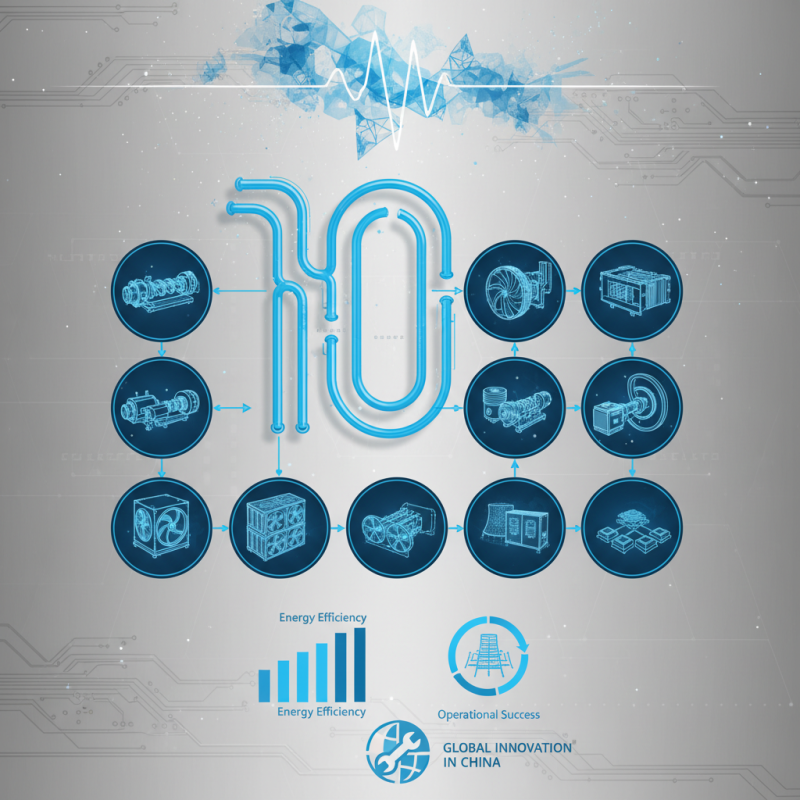
Pharmaceutical PackagingIn the world of refrigeration, the "Chiller Series" plays a vital role. Expert Dr. Anna Li, a renowned authority in this field, once remarked, "The quality of chiller systems directly impacts energy efficiency and operational success." This insight underscores the importance of understanding the top models available in the market.
China has rapidly advanced in manufacturing powerful and efficient chillers. The industry is bustling with innovation, featuring diverse products tailored to specific needs. Yet, not all chiller systems deliver on their promises. It's crucial to evaluate features, energy consumption, and reliability when selecting the right model. Many systems boast impressive stats but fail in practical application.
When exploring the top 10 chiller series, it's essential to prioritize performance and durability. Users must reflect on their unique requirements, ensuring the chosen system aligns with their operational goals. Each chiller series has strengths and weaknesses that should be carefully weighed. Transparency in this process can lead to better investment and long-term satisfaction.
Chiller series in China are crucial for various industries. They maintain optimal temperatures in manufacturing and processing environments. The demand for efficient chillers has surged by over 15% annually, as per recent market reports. In 2022, the market was valued at approximately USD 3 billion.
Many manufacturers face challenges in optimizing their chiller systems. Inefficiencies can lead to increased operational costs. Investing in energy-efficient models can significantly reduce expenses. A well-implemented cooling system is essential for prolonged equipment life and productivity improvements.
Tips: Regular maintenance can enhance chiller performance. Inspect components for wear and tear. Monitor energy consumption closely. Understanding peak load conditions helps in accurate capacity planning.
Industry data suggests that companies often overlook system audits. This can result in missed opportunities. A thorough assessment can reveal inefficiencies that need addressing. Taking the time to evaluate equipment is vital for long-term gains.
The chiller series market in China is evolving rapidly. Recent reports indicate that the market is expected to reach a staggering $10 billion by 2025, driven by rising demand in industrial and commercial sectors. Chillers are essential for various applications including HVAC systems and manufacturing processes. Industries are highly focused on energy efficiency, as energy costs continue to rise.
New trends are emerging, particularly with the use of eco-friendly refrigerants. Efficiency is no longer just a feature; it’s essential. Data shows that newer models can reduce energy consumption by up to 30%. Yet, not all companies are meeting these standards. Many still rely on outdated technology, which can lead to higher operational costs.
Tips: Consider your specific needs before choosing a chiller. A tailored solution can lead to significant long-term savings. Regular maintenance is crucial. Neglecting it often results in reduced efficiency. Companies should evaluate their systems periodically to ensure peak performance. Keeping an eye on industry developments can also provide insights into new, more efficient systems.
| Model | Cooling Capacity (kW) | Energy Efficiency Ratio (EER) | Refrigerant Type | Application |
|---|---|---|---|---|
| Chiller A | 150 | 3.5 | R134a | Industrial |
| Chiller B | 100 | 4.0 | R410A | Commercial |
| Chiller C | 200 | 3.8 | R407C | District Cooling |
| Chiller D | 120 | 3.6 | R1234ze | HVAC |
| Chiller E | 80 | 4.2 | R290 | Residential |
| Chiller F | 75 | 5.0 | R290 | Small Industrial |
| Chiller G | 90 | 4.1 | R404A | Food & Beverage |
| Chiller H | 130 | 3.9 | R134a | Pharmaceutical |
| Chiller I | 160 | 3.7 | R452A | Data Center |
| Chiller J | 190 | 3.5 | R32 | Commercial Building |
When evaluating chiller series for industrial applications, key performance indicators are crucial. Efficiency ratings often determine operational costs. A high coefficient of performance (COP) indicates better energy use. Many industries prioritize energy efficiency. However, achieving optimal performance often requires careful monitoring. Environmental conditions may affect efficiency. Ignoring these factors can lead to unexpected downtime.
Another vital indicator is cooling capacity. It needs to match the specific requirements of the facility. An oversized chiller may lead to inefficiencies. Conversely, an undersized unit can strain the system. Regular maintenance is essential. Neglecting maintenance can result in performance drops. Users often overlook the importance of routine checks.
Reliability is also critical. A reliable chiller minimizes unexpected repairs. Yet, even the best systems can face issues. Monitoring system alerts can help. Not all staff are trained to manage these alerts effectively. Building a culture of awareness is necessary. Users need to understand the implications of failure. Regular training sessions can help mitigate risks.
In China, the chiller market is vibrant and diverse. Many brands offer unique features. These features often set them apart in functionality and design. Some chillers focus on energy efficiency to reduce operating costs. Others emphasize cutting-edge technology for better performance.
User-friendly interfaces can make a notable difference. Certain models provide real-time monitoring options. This allows users to track performance effortlessly. There are also variations in noise levels. Some units operate quietly, while others might create a noticeable hum. These factors can influence user experience significantly.
While performance is crucial, design cannot be overlooked. Aesthetic appeal can enhance the overall environment. Compact sizes help fit into tight spaces but might limit cooling capacity. Each brand has strengths and weaknesses worth considering. Mistakes can happen in choosing the right unit. It’s essential to evaluate all aspects carefully.
Chiller systems in China are embracing rapid technological advancements. Companies are implementing smart controls to improve energy efficiency. These control systems enable real-time monitoring of performance and energy usage. This data helps facility managers optimize operations, but it can sometimes be overwhelming. The sheer volume of data may cause confusion if not handled properly.
Additionally, variable refrigerant flow (VRF) technology is gaining traction. This system allows for independent control of multiple zones. It enhances comfort while reducing energy consumption. However, the complexity of installation and maintenance can pose challenges. Technicians need specialized training to manage these advanced systems effectively.
Another key advancement is the integration of eco-friendly refrigerants. These alternatives have a lower environmental impact. They are crucial for reducing greenhouse gas emissions. However, awareness and proper handling of these substances are still lacking. This gap could lead to potential mishaps. As the industry evolves, continuous education is vital for workers to stay updated on best practices.
The article titled "Top 10 Chiller Series in China You Need to Know" provides an in-depth analysis of the current state of the chiller market in China, outlining crucial aspects such as market overview, key performance indicators for industrial applications, and recent technological advancements. The discussion highlights the unique features of leading chiller series while also focusing on the metrics that define their efficiency and performance in various sectors.
Furthermore, the article projects future trends and market developments for chiller series in China, indicating a shift towards more energy-efficient and technologically advanced systems. This overview not only serves as a guide for industry professionals seeking to understand the chiller landscape but also emphasizes the growing importance of innovation and sustainability in chiller systems to meet the demands of modern industrial applications.
© 2007 - 2025 The Custom Packaging. All right reserved.