What Are the Top 10 Types of Plastic Food Containers?
Choosing the right plastic food container can make meal preparation cleaner, safer, and less wasteful. Yet many kitchens rely on shape or price alone. That habit can create problems. A thin box may warp beside a hot pan, while a loose lid can spill soup across a work bag.
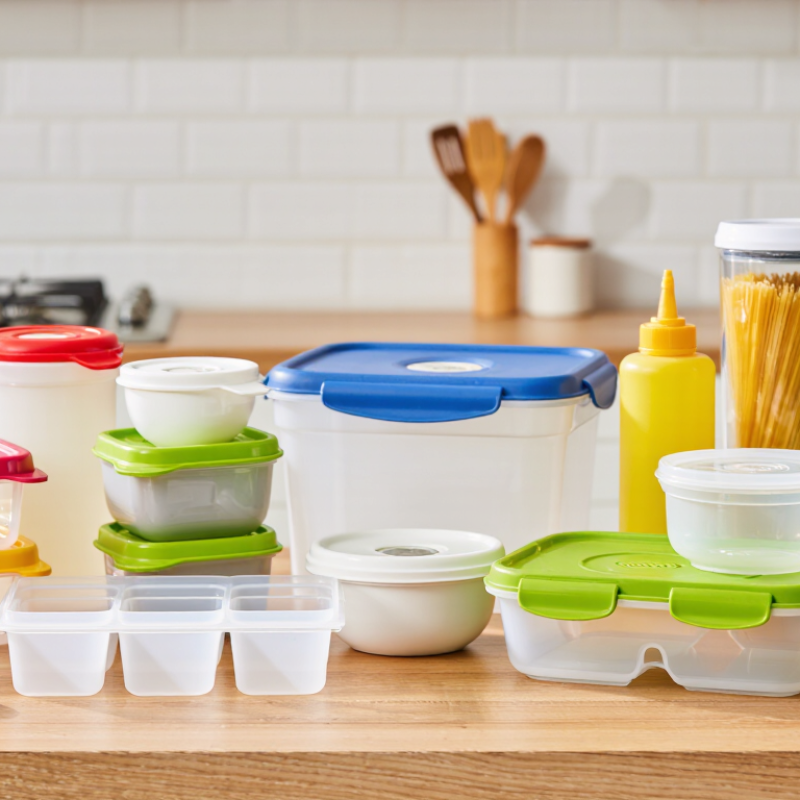
This guide examines the top 10 types of Plastic Food Container used in homes, offices, restaurants, and meal-preparation routines. It considers practical details, including material strength, lid design, stackability, temperature tolerance, and ease of cleaning. Familiar examples include storage boxes, freezer containers, deli containers, squeeze bottles, compartment trays, and meal-prep boxes. Each type serves a different purpose.
Small details matter.
From hands-on kitchen use, containers perform best when their design matches the food inside. Airtight models help protect dry snacks and leftovers. Leak-resistant options are more suitable for sauces and soups. However, no container is perfect. Some products claim broad temperature resistance but provide limited instructions. Users should read the manufacturer’s label and avoid heating any container unless it is clearly marked for that purpose.
The following overview offers a practical comparison rather than a rigid ranking. It also recognizes an often-overlooked issue: convenience can encourage repeated use beyond a container’s intended life. Scratches, stains, brittle plastic, and damaged seals deserve attention. With sensible selection and regular inspection, readers can choose containers that support safer, more organized food storage.
How Plastic Food Containers Are Classified
Plastic food containers are classified by material, structure, and intended use. Common material types include PET, HDPE, PVC, LDPE, PP, PS, PC, and compostable plastics. However, the recycling code identifies the resin, not complete food-safety performance. That distinction matters. PP is often chosen for reusable meal-prep boxes because it handles repeated washing well. PET suits clear, lightweight containers, while LDPE offers flexibility for bags and soft pouches. Some materials perform poorly with heat, acidic foods, or long storage.
Design creates another useful classification. The ten common types include snap-lid boxes, screw-top jars, deli containers, freezer containers, microwave containers, stackable boxes, compartment trays, vacuum containers, squeeze bottles, and insulated plastic tubs. Their shapes reveal their purpose. A compartment tray separates rice from vegetables, while a narrow bottle controls sauces more precisely. Airtight seals help reduce spills, but they do not prevent food spoilage. I have found that “leakproof” claims can feel optimistic when containers are overfilled or stored sideways.
Tips: Check the base for material markings and use instructions. Look for microwave and freezer approval separately. Do not heat a scratched, cloudy, or strongly odorous container. Wash with a soft sponge, because rough scouring can create tiny surface damage. Replace lids that warp. Small cracks deserve attention. Classification guides selection, but actual condition still influences reliability.
Types 1–3: Food Storage Boxes, Meal Prep Containers, and Deli Containers
Food storage boxes are the dependable workhorses of everyday kitchens. Their straight walls use refrigerator space efficiently, while tight lids help protect cooked rice, vegetables, and cut fruit. I have found that transparent sides reduce forgotten leftovers, although fingerprints quickly make labels harder to read. The OECD Global Plastics Outlook reports that 353 million tonnes of plastic waste were generated in 2019, with only 9% recycled. That figure makes durable, repeated use more than a sustainability slogan.
Meal prep containers are designed around portions, schedules, and transport. Divided compartments separate grilled chicken from salad, but thin dividers can leak sauces after rough handling. The FDA Food Code 2022 recommends holding cold food at 41°F or below. USDA FSIS guidance advises using refrigerated leftovers within three to four days. Containers should therefore cool food quickly and leave enough space for safe handling. I sometimes overfill mine. It saves a lid, but ruins the meal.
Deli containers suit soups, sauces, grains, and small ingredients. Their round or rectangular shapes stack well, and clear walls make contents visible immediately. Their weakness is familiar. Lids can become mismatched, and repeated heating may warp inexpensive plastic. Always check the manufacturer’s temperature instructions; “food-safe” does not automatically mean microwave-safe. A neat container system still needs honest labeling, practical portion sizes, and occasional replacement when cracks appear.
Typical Capacity of the Top 3 Plastic Food Container Types
This chart compares representative common capacities for food storage boxes, meal prep containers, and deli containers. Food storage boxes generally offer the widest capacity range, meal prep containers are commonly sized for individual portions, and deli containers are often used for smaller servings, sauces, and prepared foods.
Types 4–6: Takeout Boxes, Freezer Containers, and Microwave Containers
Takeout boxes are designed for transport, not always for long-term storage. Paperboard boxes handle dry foods well, while molded fiber containers suit rice, noodles, and fried meals. Some plastic takeout boxes resist leaks, but oily sauces can stain or soften certain materials. Check the container’s base for recycling and heating symbols. Do not assume every clear box is microwave-safe. I learned this after a lid warped beside a hot serving.
Freezer containers need flexible walls and secure seals. Leave about two centimeters of space for soups and sauces to expand. Otherwise, the lid may lift, or the container may crack. Square containers save shelf space, but rounded corners make frozen food easier to release. Cool food before freezing, yet avoid leaving it at room temperature for too long. Labels should include the food name and date. Handwriting fades surprisingly fast.
Microwave containers should tolerate heat without releasing unwanted odors or changing shape. Vent the lid slightly to let steam escape. A sealed container can build pressure quickly. Use short heating intervals and stir thick foods between them. Metal accents and damaged plastic do not belong in a microwave. Some containers remain cool while food becomes dangerously hot, so test the center before eating. Microwave markings help, but they are not a substitute for careful use. Occasionally, a container passes the symbol test and still performs poorly with greasy food.
What Are the Top 10 Types of Plastic Food Containers? – Types 4–6: Takeout Boxes, Freezer Containers, and Microwave Containers | Type | Common Plastic | Typical Food Uses | Key Characteristics | Typical Temperature Guidance | Advantages | Limitations and Safety Notes | Typical Recycling Identification | Overall Practicality |
| 4. Takeout Boxes | Polypropylene (PP) or polyethylene terephthalate (PET); some lightweight containers use expanded polystyrene (EPS) | Prepared meals, salads, noodles, rice dishes, sauces, and bakery items | Lightweight, stackable, often designed with snap-on lids, and available in clear or opaque formats | Use only within the temperature range stated on the container. PP versions commonly tolerate hot food better than PET or EPS versions. | Convenient for transport, inexpensive, easy to portion, and available in many shapes and sizes | Not every takeout box is microwave-safe or reusable. EPS can deform with heat and is not suitable for microwave heating. Remove lids or vents as directed before reheating. | Usually #5 for PP, #1 for PET, or #6 for polystyrene; local recycling acceptance varies | High for short-term convenience |
| 5. Freezer Containers | Polypropylene (PP), high-density polyethylene (HDPE), or low-density polyethylene (LDPE) | Soups, stews, cooked grains, chopped vegetables, fruit, meat, and meal-preparation portions | Designed to remain flexible or resistant to cracking at low temperatures; many have airtight or leak-resistant lids | Suitable for freezer storage when specifically labeled for freezing. Leave headspace because liquids expand as they freeze. | Helps reduce freezer burn, supports portion control, protects food from odors, and can be reused when in good condition | Do not fill liquid foods to the rim. Avoid sudden transfer from freezer to high heat unless the container is specifically rated for it. Replace containers that become cracked, warped, or excessively cloudy. | Commonly #5 for PP, #2 for HDPE, or #4 for LDPE; recycling rules differ by location | High for organized food storage |
| 6. Microwave Containers | Usually polypropylene (PP); some products use other plastics tested and labeled for microwave use | Reheating leftovers, ready-to-eat meals, vegetables, sauces, and single-portion foods | Often includes a vented lid, steam-release feature, or loosely fitted cover to help prevent pressure buildup | Use only when marked microwave-safe. Heat food in short intervals, stir when appropriate, and follow the container's instructions. | Provides quick reheating, reduces the need for extra dishes, and is often lightweight and reusable | Microwave-safe does not mean oven-safe. Avoid heating empty containers, and do not use containers that are melted, badly scratched, or deformed. Fatty or sugary foods may become very hot. | Frequently #5 for PP; the recycling symbol alone does not confirm microwave suitability | High when correctly labeled and used |

 Cosmetic Packaging
 Display Packaging
 CBD Packaging
 Retail Packaging
 Product Packaging
 Cigarette Packaging
 Candle Packaging
 Soap Packaging
 Chocolate Packaging
 Vape Packaging
 Food Packaging
 Window Packaging Boxes
 Gift Packaging
 Bakery Packaging Boxes
 Pizza Packaging
 Bottle Packaging
 Garments Packaging
 Custom Printed Bags
 Christmas Packaging
 Toy Packaging
 Cereal Packaging
 Jewelry Packaging
 Apparel Packaging
 Shipping Packaging
 Custom Pre Roll Boxes
 Dispenser packaging
 Eco Friendly Packaging
 Custom Health Packaging
 Pharmaceutical Packaging