Cosmetic Packaging
Display Packaging
CBD Packaging
Retail Packaging
Product Packaging
Cigarette Packaging
Candle Packaging
Soap Packaging
Chocolate Packaging
Vape Packaging
Food Packaging
Gift Packaging
Bakery Packaging Boxes
Pizza Packaging
Bottle Packaging
Garments Packaging
Custom Printed Bags
Christmas Packaging
Toy Packaging
Cereal Packaging
Jewelry Packaging
Apparel Packaging
Shipping Packaging
Custom Pre Roll Boxes
Dispenser packaging
Eco Friendly Packaging
Custom Health Packaging
Pharmaceutical PackagingShipping a product is more than moving it from one address to another. The box becomes the customer’s first physical experience with your brand. Its size, texture, printing, and opening style can influence trust before the product appears.
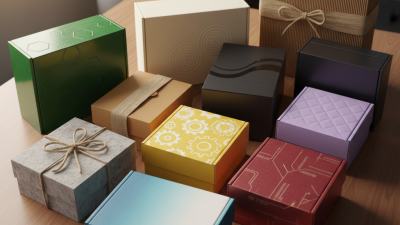
Jony Ive, a respected product and packaging designer, once said, “Packaging can be theatre; it can create a story.” That idea remains valuable for modern personalized mailing boxes. A carefully designed mailer can turn an ordinary delivery into a memorable moment. A matte kraft box may suggest natural simplicity. A bright, printed carton can feel energetic and youthful. A rigid box with a clean logo may communicate premium quality.
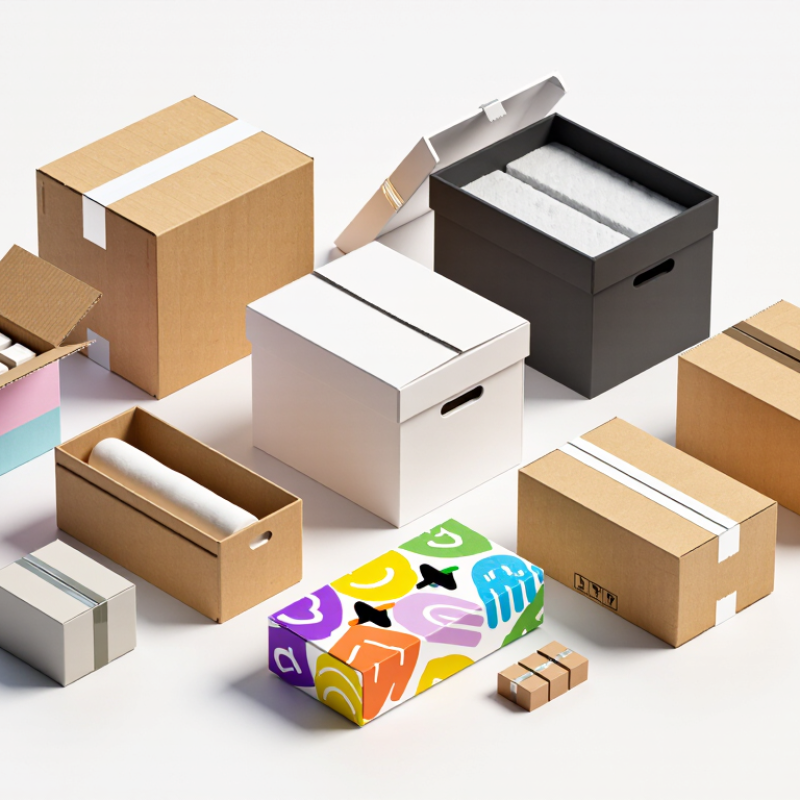
This guide explores the top 10 types of personalized mailing boxes used for shipping. It considers mailer boxes, subscription boxes, rigid boxes, folding cartons, corrugated mailers, and other practical formats. Each type serves a different purpose. Some protect fragile goods with stronger walls. Others reduce empty space and shipping costs. Some are built for fast packing. Others focus on presentation.
Small details matter. A snug insert can stop a bottle from moving. A tear strip can make opening easier. Water-based inks may support a more responsible packaging direction. Still, customization is not automatically better. Too much decoration can increase cost, waste, or production errors. That deserves honest reflection.
The best box balances protection, branding, usability, and budget. It also fits the product, not merely the marketing vision. As you review these ten options, consider what customers will touch, see, and remember after delivery.
Personalized mailing boxes are shipping containers designed around a product, customer, and delivery experience. Personalization can include printed graphics, custom dimensions, opening styles, inserts, and return features. Common formats include corrugated tuck-top mailers, rigid mailers, bookfold boxes, roll-end boxes, die-cut boxes, subscription boxes, apparel mailers, gift boxes, returnable boxes, and recyclable paperboard designs.
Their importance is practical, not merely decorative. A correctly fitted box can reduce empty space, movement, and product damage during transport. It may also reduce the need for extra protective material.
The 2024 DHL E-Commerce Trends Report found that 72% of online shoppers consider sustainability important when purchasing.
This makes material choice and box size part of the customer experience. A beautiful box can still be wasteful.
Professional packaging assessments usually examine compression strength, dimensional accuracy, moisture exposure, and opening performance. A simple test helps: place the product inside, shake the box, then inspect every corner. Small movement can signal poor sizing. Personalized packaging also supports recognition after delivery, especially when the exterior uses clear colors or a short message. However, printed coatings may complicate recycling, and oversized designs increase shipping volume. Even experienced teams sometimes overprint or overbuild. That is worth questioning. Data from McKinsey’s global packaging research shows consumers increasingly value recyclability and practical sustainability, but preferences vary by market. A reliable design balances protection, appearance, material efficiency, and realistic disposal habits.

Box selection should begin with structure, not decoration. The U.S. Census Bureau reported that e-commerce represented 16.1% of total U.S. retail sales in 2024. That volume increases pressure on packaging teams to control damage, assembly time, and dimensional weight.
For lightweight products, regular slotted containers and self-locking mailers offer efficient folding and storage. Five-panel folders add protection around books, flat goods, and small electronics. Roll-end tuck-top boxes suit premium unboxing, while book-wrap mailers adjust around different product depths. Tear-strip mailers support quick opening and returns. Padded mailers protect cosmetics or fragile accessories, but they are not ideal for sharp edges. Corrugated-insert mailers separate multiple items. Full-overlap boxes improve stacking strength for dense products. Rigid mailers resist bending during parcel handling. A custom die-cut box can secure unusual shapes, though tooling costs need careful review.
Shipping needs change the classification. Fragile goods require cushioning, edge clearance, and verified compression strength. Heavy goods need stronger board grades and reinforced seams. International parcels benefit from compact dimensions and moisture-resistant finishes. The International Safe Transit Association recommends performance testing that reflects real distribution hazards, including drops, vibration, and compression. Testing only an empty box is a weak practice. The OECD Global Plastics Outlook identifies packaging as a major source of plastic waste, so excess void fill deserves attention. A smaller box may reduce material use, but an overly tight fit can increase product damage. That trade-off needs measurement, not guesswork.
Personalized mailing boxes should match the product, not only the logo. A rigid mailer suits books, photo prints, and small electronics. A corrugated tuck-top box protects handmade goods and packaged snacks. Die-cut window boxes display candles, soap, or carefully arranged gifts. Slide-out drawer boxes create a premium unboxing experience for jewelry or stationery. Kraft mailers offer a natural appearance and reliable protection for clothing.
Product shape matters more than decoration. Bottle mailers use fitted inserts to limit movement during delivery. Bookfold boxes adjust around flat products and reduce empty space. Pillow boxes suit lightweight favors, accessories, and small apparel items. Subscription boxes need strong corners and repeatable sizing. Returnable mailers help customers send clothing back with less packaging waste. I have seen attractive boxes fail because internal space was measured poorly. That mistake is easy to repeat.
Tips: Measure the packed product, not the product alone. Leave room for tissue, padding, and a realistic hand grip. Test a filled sample with corner drops and surface rubbing. Check that printed colors remain readable under warehouse lighting. Personalization should support handling, opening, and storage. Sometimes a simpler box performs better. Review the design after real shipments, because assumptions rarely survive delivery conditions.
A personalized mailing box should fit the product, not merely carry its logo. Measure the item, protective padding, and closure space together. Leave minimal movement inside. Excess space increases material use and impact risk. EPA’s Facts and Figures report recorded 82.2 million tons of packaging waste in the U.S. municipal stream in 2018. Right-sizing matters.
Protection depends on the product’s weak points. Glass needs cushioning and separation. Apparel usually needs moisture resistance and clean folding space. For heavier goods, choose stronger board and reinforced edges. Test the packed box for compression, vibration, and drops. These conditions reflect common distribution hazards identified in International Safe Transit Association testing guidance.
I have sometimes selected attractive boxes that failed at the corners. That mistake is expensive.
Branding should support function. Use a clear logo, restrained color, and a printed opening message. Avoid heavy coatings when recycling access is important. McKinsey’s 2020 packaging research found that 60–70% of surveyed consumers would pay more for sustainable packaging. That preference does not excuse weak protection. A damaged order creates waste and disappointment. Small boxes win. Not always. Review shipping dimensions, product fragility, and customer expectations before approving a custom structure. A practical trial with real packing staff often reveals problems that computer drawings miss.
Top 10 Types of Personalized Mailing Boxes for Shipping
Personalized mailing boxes include standard corrugated mailers, rigid mailers, book-wrap mailers, self-locking mailers, roll-end tuck-top boxes, die-cut mailers, padded cartons, paper-padded mailers, folding cartons, and lightweight subscription boxes. Printing should support handling, not only appearance. Water-based inks and limited-color designs can reduce production complexity. A clear shipping label area also prevents relabeling and wasted materials.
Material selection changes both protection and cost. Corrugated board suits heavier products, while folding cartons work better inside protective outer packaging. Recycled fiber can reduce virgin material use, but its strength varies by grade and moisture exposure. The U.S. Environmental Protection Agency reported 67.4 million tons of paper and paperboard packaging in 2018, with 46.5 million tons recycled. Those figures show progress, but they do not make every box automatically sustainable.
Right-sizing often reduces void fill, freight volume, and damage risk. However, thinner walls may fail during humid warehouse storage. That trade-off is easy to underestimate. A 2020 McKinsey consumer survey found that 60–70% of respondents would pay more for sustainable packaging. Willingness varies by product and income. Before choosing a premium finish, compare board weight, print coverage, tooling, labor, return rates, and end-of-life instructions. A practical trial shipment can reveal more than a spreadsheet. Sustainability claims should use measurable data, such as recycled content, package weight, and verified recyclability.
© 2007 - 2025 The Custom Packaging. All right reserved.