China Top 10 PE Woven Bag Manufacturers

China has become a major sourcing hub for PE Woven Bag products, serving agriculture, construction, chemicals, food packaging, and retail logistics. Manufacturers differ in resin quality, weaving density, coating performance, printing accuracy, and production scale. This guide introduces ten notable Chinese suppliers through practical purchasing considerations, not publicity alone.

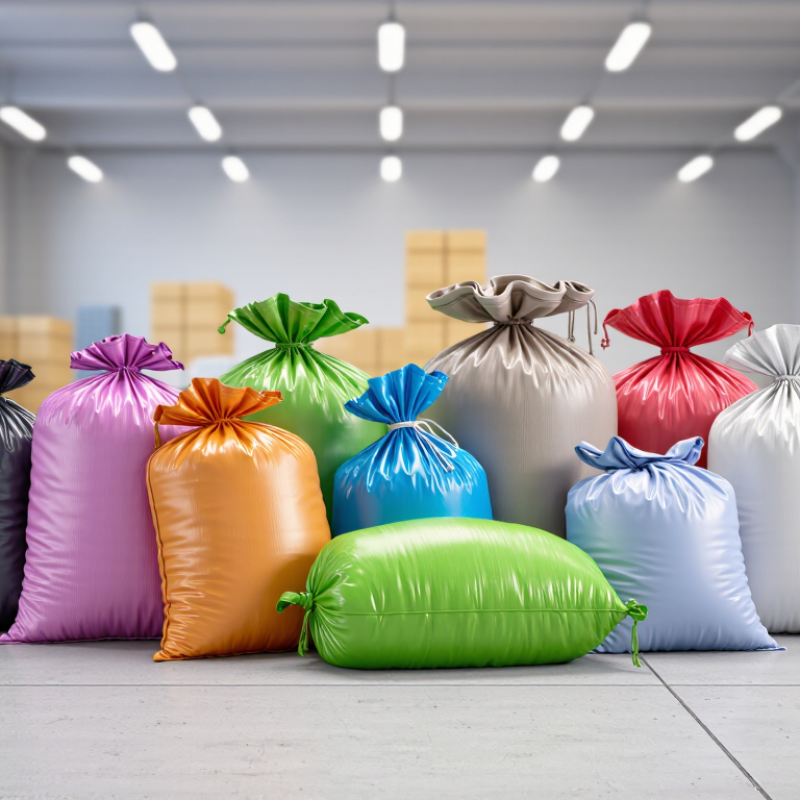
The selection focuses on factory experience, export capability, quality-control systems, customization support, and delivery reliability. It also considers details that buyers often inspect too late. These include seam strength, bag-mouth design, moisture resistance, pallet loading, and color consistency under strong warehouse lighting. Certifications and test reports may support trust, but they should be checked against the actual factory and current production batch. A polished website is not enough.

Real sourcing is less perfect. Prices can change with polypropylene markets, energy costs, exchange rates, and order volume. Sample performance may differ from mass production. That risk deserves attention. Buyers should request recent samples, confirm technical specifications, review inspection procedures, and clarify responsibility for defects before placing orders. Factory visits or independent inspections can provide stronger evidence when the project is large.

This overview is designed for importers, distributors, packaging engineers, and procurement teams. It explains where each manufacturer may fit, from standard woven sacks to laminated, printed, valve, and heavy-duty formats. The ranking should be treated as a practical reference, not a permanent verdict. Supplier performance can evolve. Careful verification still matters.

China Top 10 PE Woven Bag Manufacturers

China’s PE Woven Bag Manufacturing Industry at a Glance

China Top 10 PE Woven Bag Manufacturers

China’s PE woven bag industry combines large-scale production with flexible customization. Manufacturers commonly produce bags for agriculture, construction materials, chemicals, food-grade packaging, and general industrial use. Their facilities often include extrusion lines, circular looms, coating equipment, printing units, and automatic sewing machines.

Production quality depends on more than modern machinery. Experienced factories control resin selection, tape strength, fabric density, coating thickness, and seam performance. They may also provide samples, inspection records, and third-party testing. However, factory capability can vary between product lines. A supplier may perform well with standard sacks but struggle with unusual dimensions or demanding moisture resistance.

Tips: Ask for a physical sample before placing a large order. Check bag weight, inner coating, stitching, and load-bearing results. Request clear details about recycled content, tolerances, packaging, and delivery terms. A reliable manufacturer should explain limitations instead of promising everything. That matters.

China’s manufacturing network supports both high-volume orders and smaller customized batches. Buyers can compare production capacity, export experience, quality systems, and communication speed. Visiting a facility, when practical, reveals details that brochures often miss, such as material storage, dust control, worker training, and random inspection routines. One imperfect point deserves attention: faster production is not always better. Stable output, honest documentation, and repeatable testing usually create greater long-term value.

Criteria for Ranking the Top 10 PE Woven Bag Manufacturers

China Top 10 PE Woven Bag Manufacturers

Criteria for Ranking the Top 10 PE Woven Bag Manufacturers

Ranking PE woven bag manufacturers requires more than comparing quoted prices. We assess verified production capacity, monthly output, export experience, and delivery performance. China Customs trade data helps confirm international activity, while ISO 9001 records support process reliability. Factory audits also examine loom cleanliness, printing accuracy, seam strength, and storage conditions. Small details matter.

Product quality receives the highest weight. Our checks include tensile strength, drop resistance, thickness tolerance, and load-bearing performance. Testing should follow recognized methods such as ISO 21898 and ASTM D882, where applicable. Smithers’ 2024 flexible packaging outlook forecasts global demand above US$300 billion by 2029, increasing pressure for stable quality and material efficiency. However, PE woven bags are not identical to all flexible packaging products. That distinction needs more attention.

Sustainability is another ranking factor. We review recycled-material claims, production waste records, energy monitoring, and practical recyclability. The Ellen MacArthur Foundation reports that packaging represents a major share of global plastic use, so material reduction deserves measurable evidence. We also score customer service, complaint response time, sample approval speed, and documentation accuracy. A supplier may have impressive machinery but weak after-sales support. Our ranking remains imperfect because private production data is rarely fully disclosed. Therefore, independent audits and repeat testing carry greater weight than promotional claims.

Profiles of China’s Top 10 PE Woven Bag Manufacturers

China’s leading PE woven bag manufacturers differ in equipment, materials, and quality control. The profiles below reflect practical buyer concerns, including factory experience, production stability, and documented testing.

Profile one focuses on high-volume grain and feed sacks, using automated circular looms and steady batch controls. Profile two serves chemical packaging, with stronger seams and tighter dust protection. Profile three specializes in laminated shopping and storage bags. Profile four offers custom printing, but buyers should inspect color consistency across large orders. Profile five emphasizes recycled-content options and tracks material sources carefully. Profile six produces heavy-duty construction bags with reinforced corners and thicker fabric. Profile seven works with agricultural distributors and provides flexible sizes for seasonal demand. Profile eight has strong sampling procedures, although its minimum order quantities may be restrictive. Profile nine combines woven fabric with inner liners for moisture-sensitive goods. Profile ten supports export orders with clear packing lists, inspection records, and responsive after-sales communication.

A reliable manufacturer should explain fabric weight, tensile strength, seam design, and coating performance in measurable terms. Samples deserve practical testing, not only visual approval. Fill them, stack them, drag them, and check the seams afterward. Factory visits can reveal ordinary details, such as clean storage areas and disciplined roll handling. My assessment remains imperfect because capacity and management can change quickly. Buyers should request recent test reports and compare production samples with shipment samples. Price matters, but unstable dimensions or weak stitching can create larger costs later.

China Top 10 PE Woven Bag Manufacturers - Profiles of China’s Top 10 PE Woven Bag Manufacturers
Rank Manufacturer Profile Primary Product Focus PE Material Options Bag Construction Printing and Finishing Typical Applications Common Export Requirements
1 Profile A Large-volume woven polyethylene sacks HDPE, LDPE coating, virgin or recycled-content options Open-mouth, pasted-bottom, sewn-bottom, and block-bottom formats Up to multi-color flexographic printing; matte or gloss coating available Fertilizer, animal feed, chemicals, minerals, and agricultural products REACH, RoHS where applicable, food-contact documentation on request
2 Profile B Laminated PE woven bags for retail and industrial packaging PE woven fabric with BOPP, PE, or laminated film layers Flat-bottom, gusseted, valve, and pinch-bottom designs High-resolution gravure or flexographic printing with surface lamination Rice, flour, pet food, seed, starch, and powdered materials Food-contact declarations, migration testing, and packaging specifications
3 Profile C Heavy-duty woven bags for bulk commodities High-strength HDPE tapes with optional UV stabilizers Reinforced seams, four-panel construction, and lifting-loop options One- to six-color printing; optional liner insertion and dust-proof sealing Construction materials, sand, salt, minerals, and industrial powders Strength testing, drop testing, UV testing, and buyer-specific inspection
4 Profile D Agricultural and horticultural PE woven packaging UV-treated HDPE, standard PE coating, and breathable fabric options Open-mouth bags, drawstring bags, and ventilated side-panel designs Flexographic branding, batch coding, and custom warning or handling marks Feed, grain, seed, fertilizer, soil amendments, and produce Agricultural packaging specifications and chemical-resistance testing
5 Profile E Fine-powder and dust-control packaging Coated HDPE fabric with PE liners or fine-weave structures Valve bags, sealed liners, and sift-resistant sewn structures Flexographic printing with anti-scuff coating and controlled color matching Cement, gypsum, lime, pigments, carbon black, and chemical powders Dust-control testing, seam-strength testing, and product compatibility checks
6 Profile F Custom printed PE woven bags for consumer-facing products White or colored HDPE fabric with laminated PE or BOPP film Gusseted, square-bottom, carry-handle, and resealable formats High-definition rotogravure or flexographic printing with customized artwork Pet food, garden products, rice, flour, and household materials Ink safety documentation, food-contact testing where required, barcode verification
7 Profile G Flexible intermediate bulk container components and woven sacks Heavy-duty PP or PE-compatible woven structures with protective coating Tubular fabric, circular-woven panels, lifting loops, and discharge spouts Limited-area flexographic printing and identification marking Granules, powders, recyclable materials, and non-hazardous bulk goods Safe working load documentation, seam testing, and handling instructions
8 Profile H Recyclable and lightweight PE woven packaging Mono-material PE structures and controlled recycled PE content Lightweight open-mouth and heat-sealed or sewn-bottom designs Water-based or low-migration ink options, subject to specification Recycled materials, garden waste, dry goods, and secondary packaging Recyclability statements, recycled-content evidence, and material declarations
9 Profile I Industrial packaging with moisture and abrasion resistance Coated HDPE woven fabric with optional barrier or liner layers Gusseted bags, double-sewn seams, and reinforced bottom construction Industrial flexographic printing with durable surface treatment Resins, plastic pellets, chemicals, minerals, and machine components Moisture-resistance testing, abrasion testing, and customized quality plans
10 Profile J Small and medium batch customized woven PE bags HDPE, LDPE-coated fabric, recycled-content, and colored PE options Open-mouth, sewn-bottom, valve, gusseted, and liner-equipped formats Basic to multi-color printing with custom dimensions and packaging marks Local agricultural products, construction materials, feed, and general goods Pre-production samples, dimensional inspection, and customer-approved specifications
Note: Manufacturer identities, brand names, and company-specific commercial figures are intentionally omitted. Product structures, materials, applications, and compliance categories reflect commonly documented specifications in the Chinese PE woven bag manufacturing sector and should be verified against each supplier’s current technical documents.

Products, Materials, and Production Capabilities Compared

China Top 10 PE Woven Bag Manufacturers: Products, Materials, and Production Capabilities Compared

The leading ten manufacturers differ in product focus, resin control, and factory depth. Common products include rice sacks, cement bags, fertilizer bags, and valve sacks. Most use virgin polypropylene, while some offer recycled content or laminated PE films. This choice affects tensile strength, moisture resistance, print quality, and price.

The OECD reported that only 9% of global plastic waste was recycled in 2019. Therefore, recycled content needs clear test records, not vague marketing claims.

Production capability separates experienced suppliers from simple converters. Strong factories usually manage extrusion, circular weaving, coating, printing, cutting, and sewing in one system. Useful checks include denier consistency, seam strength, drop resistance, and bag load testing.

The World Bank’s 2023 Logistics Performance Index gave China a score of 3.7 out of 5, ranking it 19th globally. That supports reliable export infrastructure, but factory-level execution still varies.

A low quotation may hide thinner fabric, weaker seams, or slower inspection. I have seen specifications look identical while actual bag weights differed noticeably. That is an uncomfortable, but important, purchasing lesson.

Tips: Request a sealed sample, resin declaration, test report, and production video. Compare finished bag weight, not only quoted GSM. Ask whether printing, lamination, and testing are performed internally. Confirm tolerances in writing. A small pilot order can reveal weaknesses earlier than a large contract.

How to Choose a Reliable Chinese PE Woven Bag Manufacturer

China Top 10 PE Woven Bag Manufacturers

How to Choose a Reliable Chinese PE Woven Bag Manufacturer

Choosing a Chinese PE woven bag manufacturer requires more than comparing prices. Check factory registration, production equipment, export experience, and quality management records. A clean showroom proves little. Ask for recent production photos, not only polished catalog images.

Request samples made with the same PE grade, fabric density, coating, and stitching method as your order. Measure bag length, width, thickness, weight, and seam strength. Ask whether recycled material is included, and require written specifications. A useful supplier should explain tolerances clearly. Vague answers deserve caution.

Review the factory’s inspection process from raw material storage to final packing. Confirm batch identification, testing records, loading protection, and complaint handling. An independent pre-shipment inspection can reveal uneven weaving, weak handles, or inaccurate dimensions. Do not rely on one successful sample. Production can change under pressure.

Communication is another practical test. Reliable teams respond with drawings, timelines, and corrective actions. They should discuss packaging, payment terms, and delivery risks openly. A perfect audit rarely exists, and my first impression may still be wrong. Keep a written checklist, approve a pre-production sample, and begin with a controlled order before increasing volume.

China Top 10 PE Woven Bag Manufacturers: How to Choose a Reliable Manufacturer

Use this practical evaluation framework when comparing Chinese PE woven bag manufacturers. The suggested weights emphasize product consistency, traceability, testing, and delivery reliability rather than company size or brand recognition.

The percentages represent a structured buyer evaluation model and total 100%. Buyers should adjust the weighting according to bag application, order volume, packaging regulations, export destination, and required performance.