What is a Sludge Feed Pump and How Does it Work?
A Sludge Feed Pump is essential in numerous industrial processes. It manages the transportation of thick, viscous materials often found in wastewater treatment. Understanding its working mechanism is vital for optimizing operational efficiency.
These pumps are designed to handle challenging materials without clogging. They utilize a variety of technologies, ensuring smooth flow and consistency. However, various designs may come with limitations. Selecting the right pump hinges on the specific application and conditions.
Regular maintenance of a Sludge Feed Pump is crucial to prevent costly downtime. Operators must remain vigilant about performance issues. A pump might underperform if not properly managed or chosen. Careful evaluation can lead to better outcomes and increased reliability.
Understanding the Definition and Purpose of Sludge Feed Pumps
Sludge feed pumps are crucial in various industrial processes. They transfer thick, viscous slurries from one place to another. These pumps play a significant role in wastewater treatment, construction, and mining industries. Their design allows them to handle materials that would damage standard pumps. This understanding is essential for efficient operations.
Typically, sludge feed pumps utilize positive displacement mechanisms. This means they move a specific volume of sludge with each cycle. As a result, they provide consistent flow rates, even with changing sludge viscosity. Proper maintenance is critical. Neglecting it may lead to pump failures or inefficiencies. This aspect is often overlooked. Operators must remain vigilant to ensure optimal performance.
Choosing the right sludge feed pump involves careful consideration. Factors like viscosity, flow rate, and pressure must be assessed. This process can be challenging, as not every pump fits every situation. Operators need to evaluate their specific needs. Mistakes in selection can lead to operational setbacks. It's vital to prioritize reliability and efficiency in making these crucial decisions.
What is a Sludge Feed Pump and How Does it Work?
| Feature | Description | Application |
| Flow Rate | Typically ranges from 10 to 1000 GPM | Wastewater treatment, industrial processes |
| Pressure Range | Can handle pressures up to 150 psi | Ideal for high-viscosity sludges |
| Pump Type | Often positive displacement types | Used in various sectors including mining and food processing |
| Material | Constructed from corrosion-resistant materials | Enhances durability in harsh environments |
| Maintenance | Requires regular inspection and maintenance | Critical for continuous operation |
| Energy Consumption | Generally high due to sludge viscosity | Important consideration for operational costs |
Key Components of a Sludge Feed Pump and Their Functions
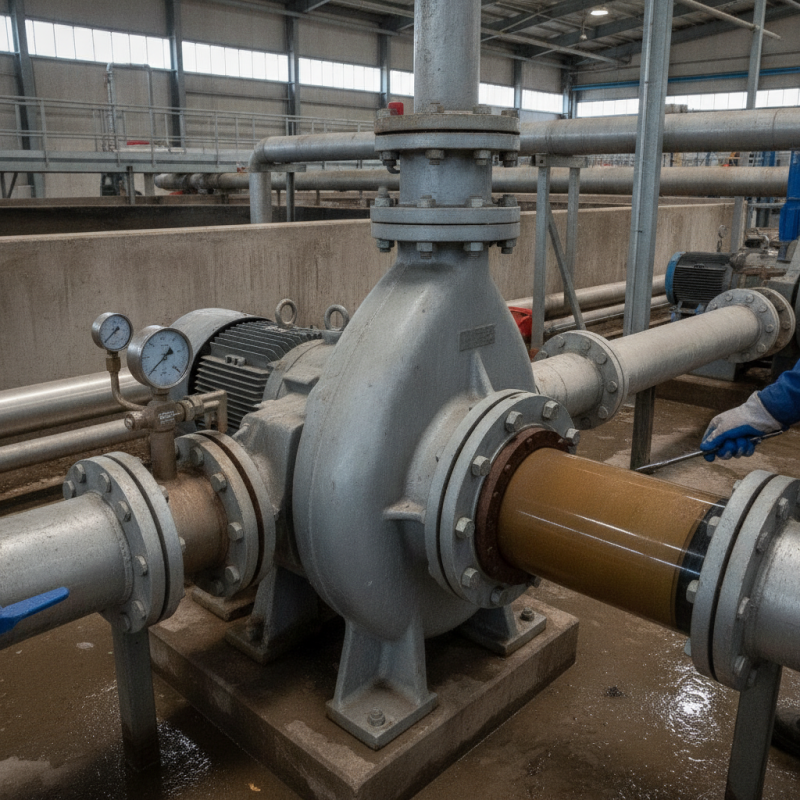
A sludge feed pump plays a crucial role in wastewater treatment. It is responsible for transporting thick, viscous materials, often referred to as sludge. The efficiency of this machinery relies heavily on its key components.
One essential part is the pump casing. It holds everything together and ensures that the sludge stays contained. A robust casing reduces leaks and increases reliability.
[Image]
Another critical component is the impeller. This part helps in creating the necessary pressure to move the sludge. The right impeller design can significantly enhance pumping efficiency, but improper selection might lead to inadequate performance.
Additionally, the motor drives the pump. It’s important to choose a motor that provides sufficient power for the sludge's viscosity. However, motors can be prone to overheating or wear if not properly maintained.
[Image]
Lastly, valves and piping play vital roles in controlling flow rates. These systems must be inspected regularly to prevent blockages. Understanding each component's function helps optimize the pump's operation, making the entire process smoother and more effective.
The Working Mechanism of Sludge Feed Pumps Explained
Sludge feed pumps play a crucial role in various industries, particularly in wastewater treatment. They transport thick, viscous sludges, making them essential for maintaining efficient operations. Understanding their working mechanism helps in optimizing performance and functionality.
These pumps use positive displacement techniques to move sludge through a pipeline. As the pump operates, it creates suction that draws sludge into a chamber. A rotor or diaphragm then pushes the sludge out. This ensures a steady flow, even with high solids content. The versatility of these pumps allows them to handle different types of sludge, from municipal to industrial. However, they can face challenges, such as wear and tear from abrasive materials.
Improper installation or maintenance can lead to inefficiencies. Sometimes, pumps may struggle if the sludge varies in consistency. It’s essential to regularly inspect and service these pumps to avoid unexpected downtime. Understanding these intricacies can enhance reliability and performance, ensuring that sludge management remains effective in any setting.
Sludge Feed Pump Performance Characteristics
This bar chart illustrates the performance characteristics of a typical sludge feed pump, showing critical metrics such as flow rate, pressure, viscosity, and power consumption.
Applications of Sludge Feed Pumps in Various Industries
Sludge feed pumps play a crucial role in various industries. They are widely used in wastewater treatment. Their main job is to transport thick mixtures of water and solids. These pumps help manage waste efficiently. In municipal settings, they move sludge from treatment tanks to digesters. This process is vital for maintaining optimal water quality.
In industries such as food processing and oil refining, sludge pumps handle byproducts containing oils and fats. These materials can clog pipes if not managed properly. Pumps must operate reliably under challenging conditions. Their efficiency directly impacts the environment. However, maintenance can become a challenge. Operators often must balance efficiency and longevity.
The mining sector also relies on sludge feed pumps. They transport slurry, a mixture of water and finely crushed minerals. This slurry must be moved quickly to avoid clumping. Yet, wear and tear on the pump components can lead to failures. Regular monitoring is essential for preventing downtime. Awareness of these issues can guide better operational strategies.
Maintenance and Troubleshooting Tips for Sludge Feed Pumps
Maintaining a sludge feed pump is essential for its reliable operation. Regular inspections can help identify potential issues before they escalate. Check the pump's seals and gaskets for wear. These can degrade over time, leading to leaks and reduced efficiency. Replace any worn parts promptly to prevent more extensive damage.
Listening to the pump is crucial. Unusual noises may signal problems. A grinding sound might suggest that the impeller is damaged. Vibration could indicate an imbalance or misalignment. Addressing these issues early can save time and money. It's important to keep an eye on the pump's pressure gauges. Sudden drops or spikes can mean blockages or pump failure.
Cleaning the suction strainer regularly will prevent clogs. Sludge can accumulate and impair flow. If a pump consistently struggles to maintain performance, it's wise to evaluate the entire system. Look for external factors that could affect operation, like pipe obstructions. Reflecting on these components is vital for optimal performance.

 Cosmetic Packaging
 Display Packaging
 CBD Packaging
 Retail Packaging
 Product Packaging
 Cigarette Packaging
 Candle Packaging
 Soap Packaging
 Chocolate Packaging
 Vape Packaging
 Food Packaging
 Window Packaging Boxes
 Gift Packaging
 Bakery Packaging Boxes
 Pizza Packaging
 Bottle Packaging
 Garments Packaging
 Custom Printed Bags
 Christmas Packaging
 Toy Packaging
 Cereal Packaging
 Jewelry Packaging
 Apparel Packaging
 Shipping Packaging
 Custom Pre Roll Boxes
 Dispenser packaging
 Eco Friendly Packaging
 Custom Health Packaging
 Pharmaceutical Packaging