
Cosmetic Packaging
Display Packaging
CBD Packaging
Retail Packaging
Product Packaging
Cigarette Packaging
Candle Packaging
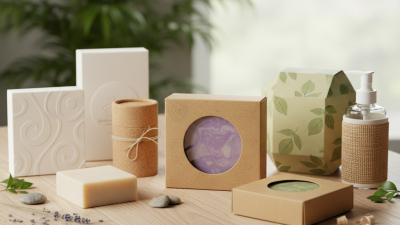
Soap Packaging
Chocolate Packaging
Vape Packaging
Food Packaging
Gift Packaging
Bakery Packaging Boxes
Pizza Packaging
Bottle Packaging
Garments Packaging
Custom Printed Bags
Christmas Packaging
Toy Packaging
Cereal Packaging
Jewelry Packaging
Apparel Packaging
Shipping Packaging
Custom Pre Roll Boxes
Dispenser packaging
Eco Friendly Packaging
Custom Health Packaging
Pharmaceutical PackagingIn the competitive retail landscape, packaging plays a pivotal role in influencing consumer behavior. Retail boxes have emerged as essential tools for effective product positioning. According to a report by the Packaging Association, 72% of consumers say that product packaging influences their purchasing decisions. This statistic underscores the significance of retail boxes in capturing attention and conveying brand identity.
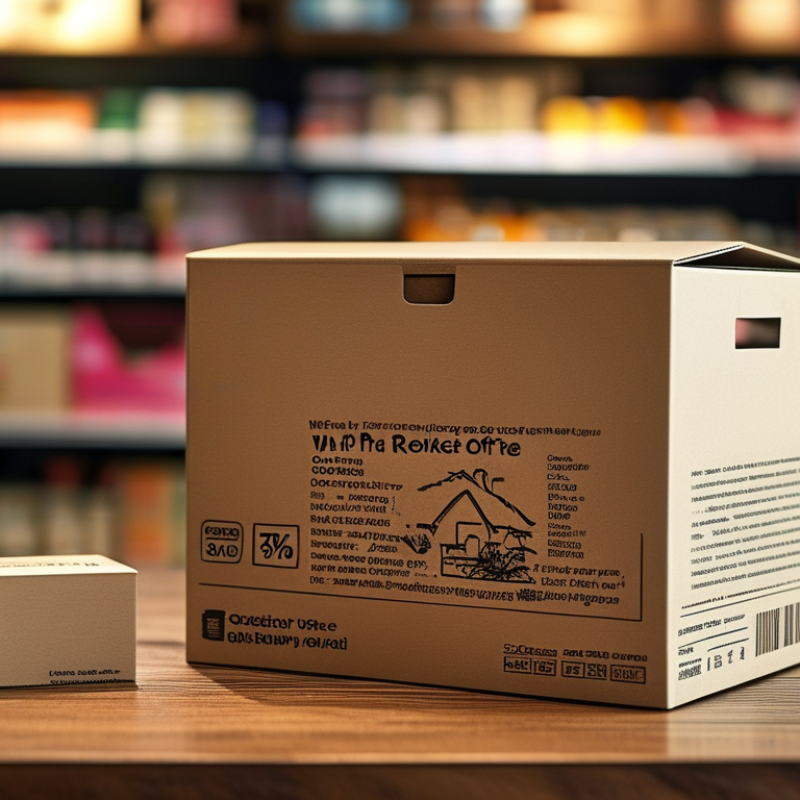
Retail boxes not only protect products but also enhance brand visibility. A well-designed box can differentiate products in crowded shelves. In fact, a study by Smithers Pira revealed that proper packaging can increase sales by 30%. However, many brands overlook the potential of retail boxes, leading to lackluster packaging choices.
Sustainability is also a key consideration. A Nielsen report indicates that 73% of consumers are willing to pay more for sustainable packaging. Retail boxes can help brands communicate their eco-friendly practices. Yet, brands must continuously reflect on their packaging strategies to stay relevant in an evolving market.
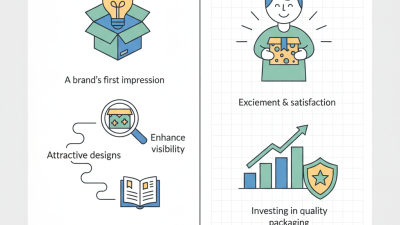
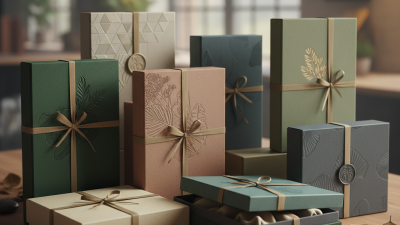
Retail boxes play a crucial role in branding and marketing. They are often the first point of contact between a product and a consumer. The design of these boxes can create a lasting impression. An attractive retail box can capture attention and draw customers in. Colors, shapes, and images all play a part in this crucial visual appeal.
Well-designed retail packaging speaks volumes about a brand’s identity. It communicates values and quality, creating a connection with potential buyers. Someone might open a product and feel an immediate sense of satisfaction from its packaging. If the box feels cheap, it can lead to disappointment. Consumers often judge a product by its packaging alone.
Retail boxes also serve practical purposes. They protect the product during transportation and display. However, many brands overlook this aspect. A poorly designed box can lead to damaged goods. It is essential for brands to reflect and consider how their packaging impacts customer experience. A thoughtful approach can reinforce brand loyalty and encourage repeat purchases.
| Dimension | Description | Impact on Branding | Impact on Marketing |
|---|---|---|---|
| Design | Visual elements including color scheme, graphics, and overall appearance. | Creates a memorable brand image and attracts consumers. | Enhances product visibility in competitive markets. |
| Material | Quality of the packaging material (e.g., cardboard, plastic, eco-friendly materials). | Reflects brand values and commitment to quality. | Can reduce shipping costs and increase product longevity. |
| Functionality | Ease of opening, resealability, and protective features. | Improves customer experience and satisfaction. | Encourages repeat purchases through positive user experience. |
| Size & Shape | Dimensions and design of the retail box. | Affects shelf presence and consumer movement in stores. | Can optimize display space and product arrangement. |
| Brand Messaging | Inclusion of logos, slogans, and product information. | Establishes brand identity and communication with consumers. | Strengthens marketing messages and promotional content. |
Retail boxes play a pivotal role in product protection and display. A well-designed box safeguards products from damage during transport and storage. According to a report by Smithers Pira, nearly 70% of consumers believe that packaging quality influences their purchase decisions. Retail boxes act as the first line of defense against physical hazards—like bumps or drops—ensuring that products remain intact until they reach the customer.
Furthermore, retail boxes enhance visual appeal, attracting consumer attention on crowded shelves. The Nielsen Global Study found that 64% of consumers prefer unique packaging when deciding between similar products. Eye-catching designs can boost sales by creating a memorable experience. However, not every box meets these criteria. Some designs may lack functionality or fail to communicate the brand effectively.
Despite the emphasis on aesthetics, practicality shouldn't be overlooked. Boxes must be easy to open but also secure enough to protect their contents. Inconsistencies in design can lead to frustration and lost sales. Balancing protection, usability, and visual impact remains a challenge. Retail boxes must evolve to meet changing consumer demands while maintaining their essential protective functions.
Retail boxes play a vital role in ensuring products stand out on shelves. However, the manufacturing and design of these boxes can significantly impact the environment. According to a study by Smithers Pira, about 30% of all packaging waste comes from retail boxes. This figure highlights the need for sustainable practices in production.
Using recycled materials is one effective approach. The recycling rate for cardboard packaging is around 75%, according to the EPA. This means that a large portion of retail boxes can be repurposed, minimizing waste. Companies can also opt for water-based inks and eco-friendly adhesives. This shift lowers harmful emissions during the production phase.
Yet, challenges remain. Many retailers still prioritize cost over sustainability. This mindset can lead to excessive waste and inefficient packaging solutions. Moreover, the durability of these eco-friendly materials may not always meet expectations. Consumers may face disappointment if products arrive damaged due to inadequate protective packaging. It is crucial for the industry to balance sustainability with functionality to achieve long-term success.
Retail packaging plays a critical role in shaping consumer perception and overall experience. Studies show 72% of consumers say packaging design influences their purchasing decisions. This highlights the importance of creating attractive, functional packaging that resonates with target audiences. Retail boxes often serve as the first point of contact between a product and potential buyers, making them crucial for brand recognition.
The visual appeal of retail packaging can enhance a consumer's shopping experience. Research indicates that 65% of consumers have tried a new product because of its packaging. Colors, shapes, and materials can evoke emotions and influence perceptions. Packaging that tells a story or conveys quality can lead to brand loyalty over time. However, companies must be wary of overcomplicating designs, which can confuse consumers rather than attract them.
Tips for effective packaging include keeping designs simple and ensuring clarity. It’s beneficial to match packaging with brand values. Don't underestimate the power of sustainability; consumers increasingly favor eco-friendly packaging. Remember, effective retail boxes should not only look good but also meet practical needs, such as durability and functionality. Reflect on your past packaging strategies and consider what worked—and what did not.
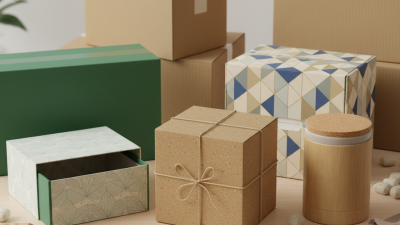
Retail box design is undergoing significant transformations to capture consumer attention. Brands are embracing sustainable materials, reflecting a growing environmental awareness. These choices not only appeal to eco-conscious customers but also enhance brand loyalty. Innovative structures, such as boxes that can be reused or repurposed, are gaining popularity. This trend encourages customers to engage with the packaging beyond the purchase.
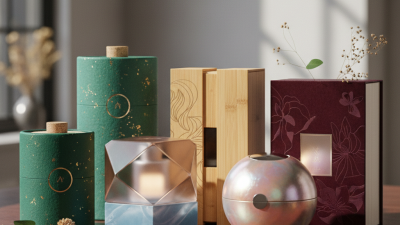
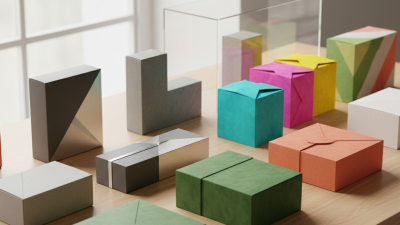
Unique visuals play a critical role in standing out on crowded shelves. Bold colors and distinct shapes can differentiate a product. Incorporating augmented reality features can create an interactive experience, engaging consumers in new ways. However, brands must still consider practicality. Overly complex designs may complicate storage or lead to higher shipping costs.
The balance between creativity and functionality remains crucial. Packaging should be attractive but also user-friendly. In a market flooded with choices, retail boxes that fail to meet practical needs can hinder sales. Thus, the challenge lies in creating packaging that is both innovative and reliable. Brands must continuously adapt to these changes, focusing on both aesthetics and usability.
© 2007 - 2025 The Custom Packaging. All right reserved.