
What is the Purpose of Soap Boxes in Everyday Life?

Soap boxes play a critical role in our daily lives, often overlooked yet essential for safe and effective personal hygiene. According to a recent report by the Global Hygiene Council, nearly 90% of households use soap boxes for soap storage. These simple containers not only keep soap dry but also promote longevity and cleanliness.

John Smith, an expert in packaging solutions, emphasizes the importance of soap boxes. He once stated, “Soap boxes are more than containers; they are guardians of cleanliness.” This highlights how these boxes impact our health and well-being. The right soap box also helps reduce wastage, as users can easily access the soap without risking contamination.

However, despite their significance, many do not consider the environmental impact. Plastic soap boxes are prevalent, contributing to pollution. Consumers may need to reflect on sustainable options. Brands are increasingly exploring eco-friendly materials. The shift toward green packaging in the soap box industry can potentially lead to better practices. Overall, soap boxes serve a vital purpose, deserving much more attention and thoughtful consideration.

What is the Purpose of Soap Boxes in Everyday Life?

The Historical Context of Soap Boxes and Public Speaking

Soap boxes have always been more than just wooden platforms for public speaking. They symbolize the democratization of discourse. Historically, these boxes provided a stage for everyday individuals to voice opinions and share experiences. They gave rise to grassroots movements and social change, offering a medium for marginalized voices. According to a study by the National Endowment for the Arts, public speaking can enhance community engagement by up to 40%. This shows that soap boxes have roots deep in the fabric of social interaction.

In a time when social media dominates communication, the essence of the soap box remains relevant. Public speaking encourages people to connect on deeper levels. However, not everyone feels confident. The Anxiety and Depression Association of America reports that approximately 73% of the population suffers from public speaking anxiety. This indicates a gap that needs attention. Creating inclusive platforms can bridge this divide. Encouraging diverse groups to share their stories can foster understanding and inclusivity.

While soap boxes may not be common in the digital age, their principles endure. They invite us to reflect on communication styles. The challenge lies in evolving these principles to suit modern contexts. People must find their voices, even in virtual spaces, to recreate the power of the soap box. It's about navigating fear while embracing vulnerability.

The Role of Soap Boxes in Advocacy and Activism Movements

Soap boxes have a long history as platforms for advocacy and activism. These public speaking venues allow individuals to voice their opinions. Groups often gather around soap boxes to listen to passionate speakers. This creates a space for dynamic discussions and community engagement. The act of standing on a soap box symbolizes empowerment. People feel encouraged to share their stories and perspectives.

In modern activism, soap boxes have evolved into both physical and digital spaces. Social media plays a crucial role in amplifying voices. Activists use these platforms to reach wider audiences. They share personal experiences, rally support, and spark conversations. These actions often lead to meaningful changes, though challenges persist. Not all conversations remain respectful, and misinformation can circulate easily.

Soap boxes remind us that advocacy is not always perfect. The process often involves trial and error. Some messages may not resonate, while others ignite movements. Engaging in tough dialogues is crucial for progress, but it requires commitment. The essence of soap boxes is not just speaking but listening. Effective activism thrives on mutual understanding and reflection.

Impact of Soap Boxes in Advocacy and Activism Movements

Modern Adaptations of Soap Boxes in Digital Platforms

What is the Purpose of Soap Boxes in Everyday Life?

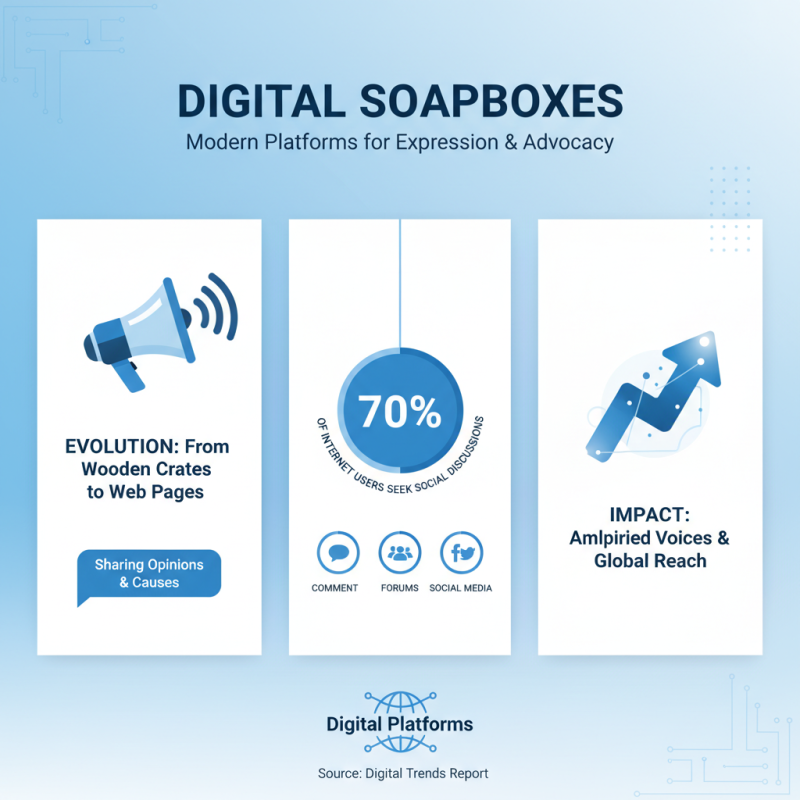
In the digital age, the concept of soap boxes has evolved beyond its traditional notion. Today, people use digital platforms to express opinions and advocate for causes. This shift represents a significant adaptation of soap boxes. Research shows that nearly 70% of internet users actively seek out discussions about societal issues online. These discussions often happen in comment sections, forums, or social media debates.

The rise of digital soap boxes highlights both empowerment and challenges. While platforms like blogs allow for diverse voices, they also lead to misinformation and echo chambers. According to a Pew Research report, 64% of U.S. adults believe that online platforms increase the spread of false information. Users often struggle to discern facts from opinions.

In this context, digital soap boxes serve a dual purpose. They promote freedom of expression but also demand critical thinking. As more users share their views online, the need for reliable sources becomes more urgent. The conversation must balance emotional appeals with factual groundings. Understanding these dynamics is crucial for healthy discourse.

The Psychological Impact of Soap Boxes on Public Discourse

Soap boxes serve as vital platforms for public discourse. They embody the essence of free expression. These spaces encourage individuals to share their thoughts. The act of standing on a soap box can be empowering. It allows one to voice opinions that may otherwise go unheard.

The psychological impact of soap boxes is profound. They can evoke strong emotions. People often feel a sense of belonging when engaging in these discussions. There is a communal aspect to sharing and listening. This dynamic can build empathy and understanding among diverse groups. However, it's important to consider the nature of these interactions. Not all conversations are constructive. Some can lead to division. Reflecting on one's approach is essential in these settings.

Tips for effective engagement include actively listening. Show genuine interest in others' perspectives. Use clear and simple language when sharing your views. Avoid jargon that may alienate some listeners. In doing so, you create a more inclusive atmosphere. Remember, the goal is to foster dialogue, not just to speak. Embrace the imperfections that come with human interaction. Growth often arises from discomfort.

Practical Uses of Soap Boxes in Everyday Communication and Expression

What is the Purpose of Soap Boxes in Everyday Life?

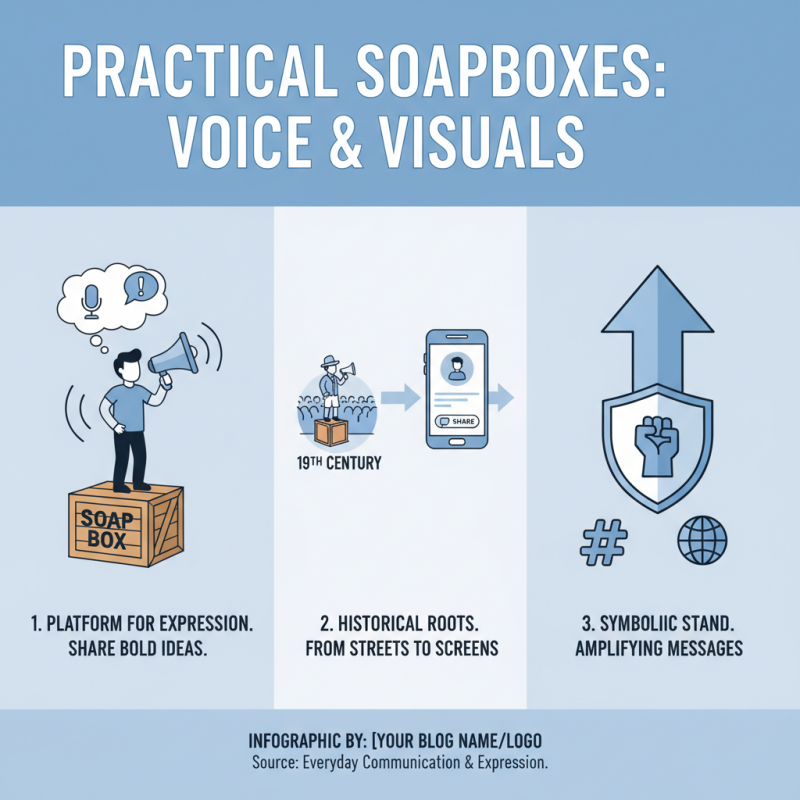
Soap boxes serve a variety of practical purposes in our daily communication. They act as a physical space for expression. When someone steps onto a soap box, they often share strong opinions or important messages. This tradition dates back to public speakers who utilized actual soap boxes to elevate themselves. Today, the phrase symbolizes taking a stand on issues.

In everyday life, we see variations of this concept. Social media platforms allow users to express themselves freely. People often share personal thoughts or urgent causes. However, not all opinions are received positively. This brings forth challenges. Some may find it hard to convey their message effectively. Misunderstandings can arise from poorly chosen words.

Despite this, using a soap box—real or virtual—remains a powerful mode of communication. It encourages critical thinking and dialogue. It challenges individuals to reflect on their beliefs. Crafting a clear message takes practice and humility. One must sometimes confront their biases and listen to opposing views. This process can lead to personal growth and better understanding in communication.