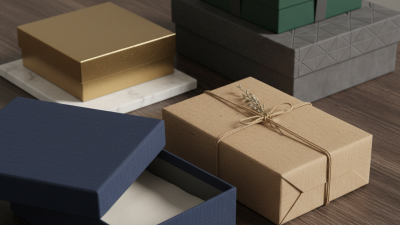
Top Personalized Boxes for Every Business Need

Packaging is often the first part of a product customers can touch, before they see the item inside. That moment matters more as online shopping grows. The U.S. Census Bureau reported that U.S. e-commerce sales reached $300.2 billion in the fourth quarter of 2024, accounting for 16.1% of total retail sales. For businesses shipping products, the box is both protection and a customer-facing detail.

The right personalized boxes depend on what you sell, how it travels, and who receives it. A small cosmetics brand may need a snug mailer with a clean printed logo. A bakery may need sturdy, food-appropriate packaging that keeps delicate items in place. A subscription company might favor boxes that are easy to open and reuse. Useful details beat decoration alone.

Customer expectations also include sustainability, though intentions do not always match purchasing behavior. McKinsey’s 2023 consumer survey found that 66% of respondents consider sustainability when making purchases; the finding covers products broadly, not packaging alone. That distinction matters. A branded box is not automatically a greener box, and extra coatings or oversized inserts can undermine a thoughtful design. Sometimes, less is better.

This guide compares box options for retail, shipping, gifting, and recurring orders. It considers fit, durability, presentation, and practical customization, so businesses can choose packaging that serves a real purpose—not just a photograph.

Top Personalized Boxes for Every Business Need

What Personalized Boxes Are and How They Serve Businesses

Personalized boxes are packaging designed around a business’s product, identity, and delivery needs. They can use custom dimensions, printed colors, product-specific inserts, or easier-open closures. A small candle may need a snug cardboard insert; a subscription box may need compartments that keep several items from knocking together. Small details matter.

The business value goes beyond appearance. A well-fitted box can reduce movement and help products arrive in better condition, while clear printing can make a parcel recognizable before it is opened. McKinsey’s 2021 personalization research found that 71% of consumers expect personalized interactions, and 76% feel frustrated when they do not receive them. Those findings concern customer experiences broadly, not boxes alone, but packaging is one practical touchpoint.

A 2016 Dotcom Distribution survey reported that 52% of consumers were more likely to make repeat purchases from retailers using premium packaging. That is a useful signal, not a promise that expensive boxes create loyalty. Businesses should test box size, material, and print against shipping damage, packing time, and cost. A glossy finish can look appealing under studio lights, yet scuff during delivery. Sometimes a plainer, sturdier box serves customers better.

How to Match Box Types to Different Business Needs

Match the box to the job it must do. A mail-order skincare seller may need a snug corrugated mailer with a paper insert to stop glass bottles shifting. A boutique gift business may choose a rigid box for a polished unboxing. For bakery deliveries, prioritize food-safe liners and a secure lid over decorative finishes. A box that looks attractive but arrives crushed has missed its purpose.

The U.S. Environmental Protection Agency reported that containers and packaging made up 82.2 million tons of U.S. municipal solid waste in 2018, or 28.1% of the total. This figure covers many packaging types, not boxes alone. Still, it is a useful reminder to avoid oversized designs. Tips: Measure the packed product, add room for protective material, then test a filled box through normal handling. Check corners, seams, and closure strength.

For subscriptions, easy-open boxes can make repeat deliveries feel considered. For retail shelves, use clear product information and a structure that stacks without bowing. Small businesses often start with one versatile size; that can simplify storage, but it may leave fragile or oddly shaped items poorly protected. Test a few real orders before committing to a large run. A tidy prototype is not proof of a reliable shipment.

Popular Personalized Box Styles and Their Best Uses

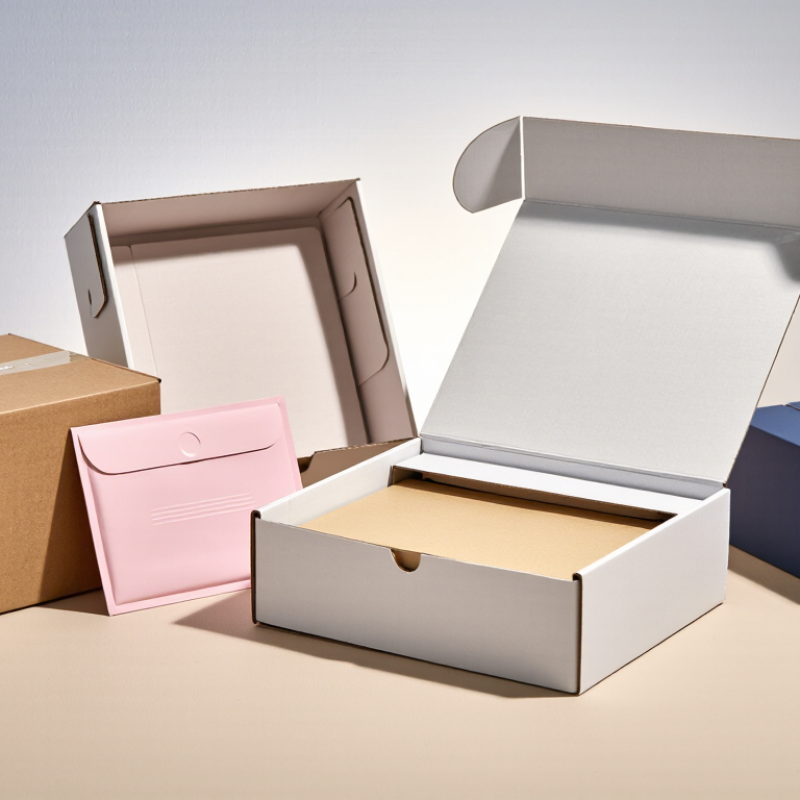
Mailer boxes work well for subscription kits and direct-to-customer orders. Their folding flaps keep small products organized, while a printed interior can create a thoughtful unboxing moment. Dotcom Distribution’s 2016 packaging survey found that 52% of respondents were more likely to make repeat purchases after receiving premium packaging. That suggests presentation matters, though the survey does not prove packaging alone caused repeat orders. Keep the insert simple. Too much filler can frustrate customers.

Folding cartons suit cosmetics, candles, and lightweight retail goods that need shelf-ready surfaces. Rigid boxes fit keepsakes, client gifts, and delicate products, where a firm structure feels reassuring. For heavier shipments, corrugated boxes offer practical cushioning and room for protective inserts. The right choice depends on product weight, shipping distance, and how customers will open the box. EPA’s 2018 materials report counted 82.2 million tons of U.S. containers and packaging waste, or 28.1% of municipal solid waste. It is a broad category, not a measure of custom boxes alone, but it makes excess material worth questioning. Measure the packed item, test a sample in transit, and trim unused space before ordering a large run. A beautiful box can still be the wrong box.

Top Personalized Boxes for Every Business Need

Popular box styles and their suitability for common packaging needs.

Scores are qualitative fit ratings from 1 (less suitable) to 5 (highly suitable), based on typical box structure and use. They are a practical guide, not market research or sales data.

Materials, Printing, and Design Options for Custom Boxes

Custom boxes work best when their material matches the product’s weight, journey, and presentation needs. Corrugated board offers cushioning for heavier items and parcels that travel through several handling points. Paperboard creates a smoother surface for lightweight goods, gift sets, or retail displays. Recycled content can support a lower-impact material choice, though its color and texture may vary between batches. Feel a sample before approving a large order.

Printing choices shape how clearly a box communicates. Digital printing suits shorter runs and changing artwork, while other print methods may be more economical for larger quantities. Use strong contrast, readable type, and enough empty space around key details. A matte finish can feel understated; gloss may make colors appear more vivid. Neither fixes a crowded layout. I sometimes find that a restrained design feels less exciting on screen, yet reads better on a small box.

Tips: Request a physical sample with the actual board and print. Check how the box folds, whether colors stay legible in indoor light, and if inserts keep products from shifting. Test before ordering. One detail is easy to miss: a snug design can become difficult to open when board thickness changes. Leave a little tolerance, then refine it after handling the sample.

Top Personalized Boxes for Every Business Need - Materials, Printing, and Design Options for Custom Boxes
Business Need Common Box Style Material Options Printing Options Design and Functional Features
E-commerce shipping Corrugated mailer or regular slotted carton Single-wall corrugated board for many lightweight shipments; double-wall board for added strength Flexographic printing for larger runs; digital printing for short runs or variable artwork Custom-fit dimensions, tuck-in flaps, tear strips, and protective inserts can help with packing and presentation
Cosmetics and personal care Folding carton or rigid presentation box Paperboard for folding cartons; wrapped chipboard for a more substantial rigid box Offset or digital printing, with optional foil stamping or embossing where appropriate Product dividers, window cutouts, and finishes such as matte or gloss coating can support display and organization
Food and bakery products Folding carton, paperboard tray, or corrugated takeaway box Food-contact-suitable paperboard or corrugated board, selected for the product and intended use Food-safe inks and coatings should be specified when required for the application Grease-resistant or moisture-resistant options may be available; confirm food-contact requirements with the packaging supplier
Subscription programs Self-locking corrugated mailer Single-wall corrugated board, with flute and board grade selected to suit the shipment Digital printing for shorter runs; flexographic printing can suit higher-volume orders Repeatable internal layout, custom inserts, easy-open features, and printed interior panels can improve unboxing and packing consistency
Retail shelf display Folding carton or point-of-purchase display box Coated paperboard for printed cartons; corrugated board for larger or load-bearing displays Offset printing for detailed graphics; digital printing can suit prototypes and shorter runs Die-cut windows, display openings, and clear product information can support shelf visibility and shopper access
Electronics and fragile goods Corrugated shipping carton with fitted insert Corrugated board selected for shipment conditions, paired with paperboard or molded-pulp inserts One- or two-color exterior printing, with handling symbols where relevant Partitions and fitted cushioning help limit movement; test the packed product for the expected distribution conditions
Apparel and accessories Folding carton, corrugated mailer, or rigid box Paperboard for lightweight presentation; corrugated board for shipping; rigid board for premium presentation Digital or offset printing, with optional textured paper or decorative finishing Folded-garment sizing, tissue-paper space, and ribbon or tab closures can be considered for presentation and handling
Gifts and premium sets Two-piece rigid box or magnetic-closure box Wrapped chipboard with a printed or textured paper covering Printed wrap with optional foil stamping, embossing, or spot coating Custom compartments, lift-off lids, and fitted inserts can organize multiple items; added materials may increase weight and cost
Material strength, print method, finishes, and food-contact suitability depend on the product, order quantity, and shipping or regulatory requirements. Confirm specifications and request a sample before placing a production order.

How to Choose the Right Personalized Box for Your Business

Top Personalized Boxes for Every Business Need
How to Choose the Right Personalized Box for Your Business

Start with the item, not the artwork. Measure its length, width, and height, then allow room for tissue, inserts, or a protective sleeve. A snug box can reduce movement, but a tight fit may crush corners or slow packing. Test a sample with the actual product. Small details matter.

Next, match the box to how it will be used. A gift box displayed in a shop may need a smooth finish and crisp printing. A box shipped through several handling points needs sturdy walls and secure closure. Consider the weight, shipping method, and how customers will open it. Easy to open helps.

Choose materials and printing that fit your budget and values. Ask suppliers about board thickness, print consistency, and whether coatings affect local recycling options. Compare quotes using the same size and order quantity; a low unit price may hide setup fees. I would not assume the most elaborate design performs best. Sometimes a simple logo and one clear color are easier to recognize—and easier to reproduce consistently. Request a printed sample before approving a full run. Look closely at folds, color, and fit. A first draft may still need work.