
Top 10 Offset Printing Inspection Tips for Quality Assurance?

In the realm of offset printing, quality assurance is crucial. Experts emphasize the importance of regular inspection to maintain standards. John Smith, a leading authority in Offset Printing Inspection, states, “Precision in printing starts with meticulous inspection.” His insight highlights a fundamental aspect of the industry.

Offset printing offers remarkable quality, but imperfections can arise. Overlooking details may lead to final products that disappoint. The process is intricate, where each print must be examined thoroughly. Attention to color consistency and registration can make or break a job. Implementing effective inspection strategies ensures that the final output meets client expectations.

With rising competition in the printing industry, firms cannot afford mistakes. Investing in solid inspection practices is essential. Clients demand excellence, and the stakes are high. As we explore the top ten tips for Offset Printing Inspection, let’s reflect on these challenges. Improving quality means embracing the inspection process, making it a priority in every print job.

Top 10 Offset Printing Inspection Tips for Quality Assurance?

Introduction to Offset Printing Quality Assurance

Offset printing involves a detailed process where quality assurance plays a crucial role. The print quality must meet industry standards. Every print run benefits from consistent oversight at each stage. This includes checking color accuracy and alignment. Deviations can lead to costly reprints. Implementing regular inspections ensures issues are caught early.

Training staff on quality standards is essential. They must understand printing techniques and visual cues that indicate quality issues. A well-trained team can spot problems before they escalate. Trust may develop through experience, but continuous training ensures vigilance. Reflection on past mistakes can enhance future outcomes.

Having a checklist can help maintain quality throughout the production process. It is useful to document findings too. Data analysis from past jobs can reveal patterns of errors. This insight can drive improvements. Inconsistent results sometimes stem from equipment wear and tear. Regular maintenance checks can reduce unexpected failures.

Top 10 Offset Printing Inspection Tips for Quality Assurance

Tip Number Inspection Tip Description Frequency
1 Check Ink Density Ensure consistent ink density for accurate color reproduction. Every Run
2 Review Registration Check that colors are correctly aligned. Every 1000 Copies
3 Inspect Paper Quality Verify that paper meets specifications for weight and finish. At Setup
4 Monitor Print Speed Adjust speed for optimal ink transfer and drying. Continuous
5 Identify Roller Condition Check rollers for wear and proper functioning. Daily
6 Evaluate Print Quality Inspect copies for any visual defects like smudges. After Every Batch
7 Check for Dot Gain Measure dot gain to ensure quality and sharpness. Monthly
8 Inspect Color Reproduction Use colorimetric tools to verify color accuracy. Every Job
9 Ensure Cleanly Finished Edges Check for smooth and even trimming/finishing. At Completion
10 Conduct Final Quality Check Perform an overall inspection before delivery. Final Stage

Importance of Inspection in the Offset Printing Process

Inspection plays a crucial role in the offset printing process. It's essential to ensure quality and maintain brand integrity. According to a recent study by the Printing Industries of America, 30% of printing errors can be traced back to inadequate inspection protocols. This statistic highlights that consistent quality assurance can significantly reduce waste and costs.

During the offset printing process, visual inspection remains the backbone of quality control. Printers should examine color accuracy, alignment, and printing defects. However, many facilities lack proper training on inspection techniques. A report from the International Color Consortium indicates that 47% of print shops do not utilize standardized color management practices. This gap in expertise can lead to mismatched colors and increased reprint costs.

Moreover, automated inspection technologies are advancing. These tools can quickly identify defects that might go unnoticed, improving overall efficiency. Nonetheless, reliance on automation can create complacency regarding manual checks. Operators must find a balance. Regular training sessions can reinforce the importance of human oversight. Continuous improvement is necessary in this ever-evolving landscape of offset printing to uphold quality standards.

Top 10 Offset Printing Inspection Tips for Quality Assurance

This chart demonstrates the frequency of different inspection tips applied during the offset printing process, highlighting key areas for quality assurance. The higher the inspection frequency, the greater the focus on maintaining print quality.

Key Inspection Techniques for Quality Control in Printing

Quality control in offset printing is essential for ensuring high standards. Implementing effective inspection techniques plays a critical role in this process. Inspectors should focus on several key areas while examining prints.

One important tip is to maintain consistent lighting during inspections. Variations in light can lead to misjudgments in color quality. Inspectors must use standardized lighting to evaluate hues accurately. They should also be aware of their own perceptions, as personal biases can influence decisions.

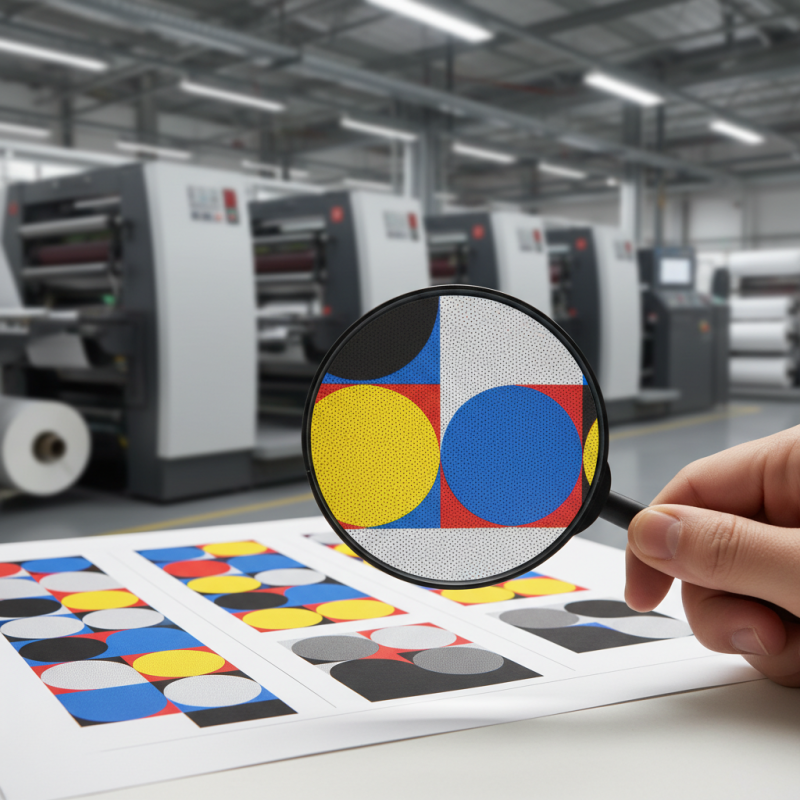
Another crucial technique involves checking registration closely. Misalignment can ruin an otherwise perfect print. Using a magnifying glass can help spot registration issues that aren’t visible to the naked eye. Additionally, regular audits of printed materials are beneficial. They provide insights into recurring problems, guiding future printing runs to minimize errors.

Inspectors must also embrace technology. Tools like spectrophotometers can accurately measure color consistency. However, reliance on technology without understanding its limitations can lead to errors. Human oversight remains vital in ensuring quality. Balancing these techniques can lead to superior outcomes in offset printing.

Common Defects in Offset Printing and How to Identify Them

Offset printing is a complex process that requires keen attention to detail. Common defects can arise at various stages, and identifying them is crucial for quality assurance. One frequent issue is color inconsistency. Variations in ink density can lead to unwanted shades. Regular color checks using calibrated tools can help maintain accuracy.

Another common defect is registration errors. Misalignment of colors can ruin the overall appearance of the print. Inspectors should look for misaligned text or images, especially at the edges. Adjustments need to be made promptly to avoid further issues.

Additionally, ink smudging is a frequent occurrence. This defect is often caused by insufficient drying time. Inspectors should carefully review each sheet for unsightly smears. Noticing such details helps improve the printing process and enhances the end product. Adopting these inspection practices can drastically improve print quality.

Best Practices for Implementing an Effective Inspection System

Implementing an effective inspection system in offset printing starts with clear protocols. Research indicates that a well-structured inspection process can reduce defects by up to 30%. Setting specific checkpoints during the print run ensures consistent quality. For example, conducting inline inspection allows teams to catch color deviations promptly. Regular training for staff on detection techniques is crucial, as a knowledgeable team can greatly enhance overall accuracy.


Investing in advanced technologies, such as automated inspection systems, can also yield significant benefits. According to industry reports, these systems detect flaws with up to 95% accuracy. However, human oversight remains vital. Machines can miss subtle imperfections, which trained eyes can catch. Continuous data analysis helps in learning from past errors. Adjusting methods based on previous inconsistencies will lead to improvement.


Documentation plays a critical role, too. Recording inspection results helps track patterns over time. These patterns are essential for refining processes. If certain issues persist, revisiting the workflow or material choices is necessary. Creating a feedback loop involving all players fosters a culture of quality. A collaborative effort often yields the best results.