
Cosmetic Packaging
Display Packaging
CBD Packaging
Retail Packaging
Product Packaging
Cigarette Packaging
Candle Packaging
Soap Packaging
Chocolate Packaging
Vape Packaging
Food Packaging
Gift Packaging
Bakery Packaging Boxes
Pizza Packaging
Bottle Packaging
Garments Packaging
Custom Printed Bags
Christmas Packaging
Toy Packaging
Cereal Packaging
Jewelry Packaging
Apparel Packaging
Shipping Packaging
Custom Pre Roll Boxes
Dispenser packaging
Eco Friendly Packaging
Custom Health Packaging
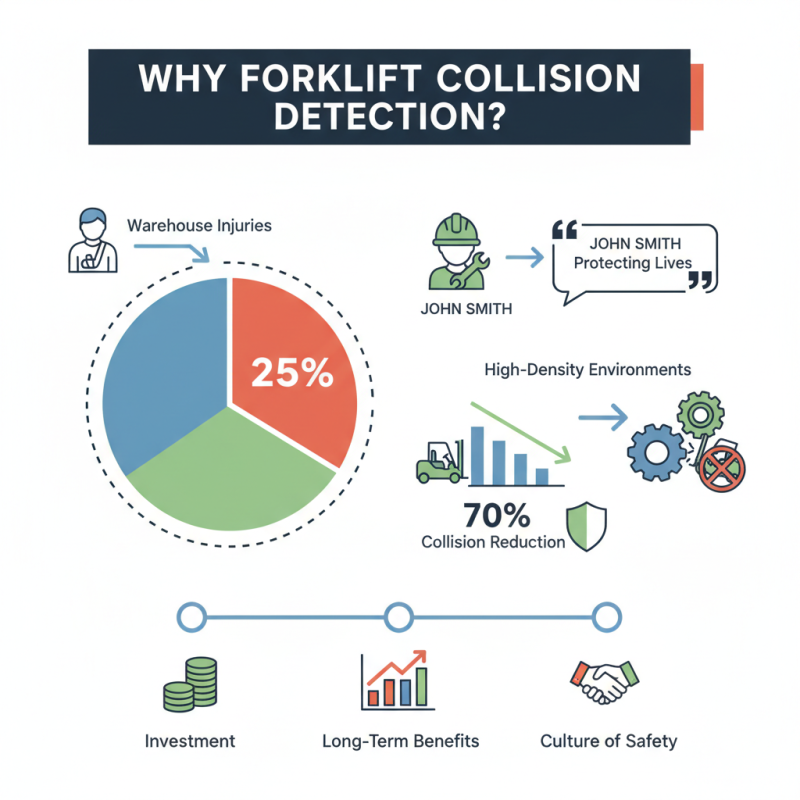
Pharmaceutical PackagingThe importance of a Forklift Collision Detection System cannot be overstated in modern warehouse operations. According to the National Safety Council, forklift accidents account for approximately 25% of all warehouse injuries. This staggering statistic highlights the critical need for effective safety solutions. Industry expert John Smith emphasizes, "Implementing a Forklift Collision Detection System is not just a safety measure; it's a commitment to protecting lives."
In high-density environments, forklifts often operate in close proximity to workers and other machinery. This increases the likelihood of dangerous collisions. A reliable Forklift Collision Detection System can significantly reduce these risks by providing real-time monitoring. Data from the Occupational Safety and Health Administration (OSHA) indicates that proper safety measures could prevent up to 70% of workplace collisions. Yet, many organizations overlook this essential technology.
Adopting a Forklift Collision Detection System requires careful consideration and investment. Some businesses may resist due to cost concerns, but the long-term benefits far outweigh the initial expenses. As companies strive to enhance safety standards, awareness and implementation of this technology are crucial. A culture of safety begins with effective tools. Awareness of collision prevention remains a pressing necessity in the forklift industry.
Forklifts are essential in many industrial settings. However, their operation poses significant collision risks. In busy warehouses, workers and forklifts often share the same pathways. This overlap increases the chances of accidents. Even a minor collision can result in injuries or costly damages. Understanding these risks is vital for creating a safer work environment.
To mitigate these hazards, many facilities are considering forklift collision detection systems. These systems use sensors to monitor the environment around the forklift. They can detect nearby obstacles and alert operators. This technology not only boosts safety but also enhances operational efficiency. However, implementing these systems is not without challenges. Some workers may resist changes in processes. Training becomes essential to ensure everyone understands how to use this technology effectively.
In many cases, the human element remains unpredictable. While technology can aid in prevention, it is not foolproof. Operators must remain vigilant and attentive. Regular training sessions can help reinforce safety practices. Ultimately, collaboration between technology and personnel leads to a safer industrial environment. Reflection on past incidents can guide improvements. Each workplace must assess its unique risks and choose appropriate measures.
Implementing a forklift collision detection system brings numerous benefits. By using sensors and alerts, businesses can significantly reduce the risk of accidents in busy warehouses. The technology tracks the movement of forklifts and obstacles in real time. This proactive approach not only protects workers but also enhances operational efficiency.
Accidents are expensive and often lead to injuries. A collision detection system creates a safer work environment. It minimizes damage to both goods and equipment. Companies can experience fewer interruptions in their workflow. Employees feel more secure when they operate machinery around others. The system can alert operators and manage speed, cutting down the chances of mishaps.
However, there can be challenges. Implementing such a system requires investment and training. Some workers might resist new technology at first. It's crucial to engage everyone in the process. Regular assessments and updates can help improve system performance over time. Addressing these challenges leads to long-term benefits that outweigh initial difficulties.
When considering a forklift collision detection system, focusing on key features is crucial. Effective systems utilize advanced sensors to monitor the environment. These sensors should detect obstacles in real-time. They need to provide alerts swiftly to prevent accidents. Systems with high accuracy can distinguish between people and objects. This reduces false alarms, allowing operators to concentrate on their tasks.
Another important feature is data analytics. A good collision detection system should gather incident data for review. Analyzing patterns helps identify high-risk areas in the workplace. This allows companies to implement preventive measures effectively. Additionally, user-friendly interfaces ensure that operators can easily respond to alerts.
Integration capabilities also matter. The system should connect seamlessly with existing warehouse management systems. This ensures comprehensive monitoring and enhances overall safety. However, no system is flawless. Regular testing and updates are essential for reliability. Keeping the system applied to your specific environment can yield better results.
Forklift collision detection systems have transformed warehouse safety. One real-world example involves a large distribution center that implemented this technology. Within weeks, workers reported feeling safer. Incidents dropped significantly, showcasing the system's effectiveness in preventing collisions.
Another success story comes from an automotive parts manufacturer. By adopting a collision detection system, they reduced accidents by over 40%. Employees were able to focus on their tasks without fear of forklift-related accidents. These experiences illustrate how crucial these systems are in everyday operations.
However, not every implementation is flawless. Some facilities faced initial resistance from staff. Training became essential to ensure proper usage. Continuous feedback from employees helped refine the system, making it more effective. This process underscores the importance of adaptability in enhancing workplace safety.
| Application Area | Collision Incidents Before Implementation | Collision Incidents After Implementation | Reduction Percentage | Key Success Metric |
|---|---|---|---|---|
| Warehouse A | 15 | 3 | 80% | Injury Rate |
| Manufacturing Plant B | 25 | 5 | 80% | Operational Downtime |
| Logistics Center C | 10 | 1 | 90% | Cost Savings |
| Retail Store D | 5 | 0 | 100% | Customer Safety |
| Construction Site E | 30 | 6 | 80% | Project Completion Time |
Training staff on collision prevention measures is critical in a warehouse environment. Employees need to understand how to operate equipment safely. Real-life scenarios can help reinforce this knowledge. Regular drills can simulate potential collisions, giving workers practical experience.
Live demonstrations can also show the importance of awareness. Highlighting blind spots when operating forklifts is vital. Staff should learn to check their surroundings before moving. Teaching them to use mirrors and alarms enhances safety. Additionally, encouraging open communication about hazards builds a safer culture.
Monitoring the effectiveness of training is essential. Collect feedback from employees after training sessions. It's also helpful to review incident reports regularly. This reflection can uncover gaps in knowledge. Adjusting training programs based on findings can strengthen your safety protocols. Remember, training should evolve alongside equipment and workflows.
© 2007 - 2025 The Custom Packaging. All right reserved.