
2026 How to Use Kraft Paper Boxes for Eco-Friendly Packaging Options?

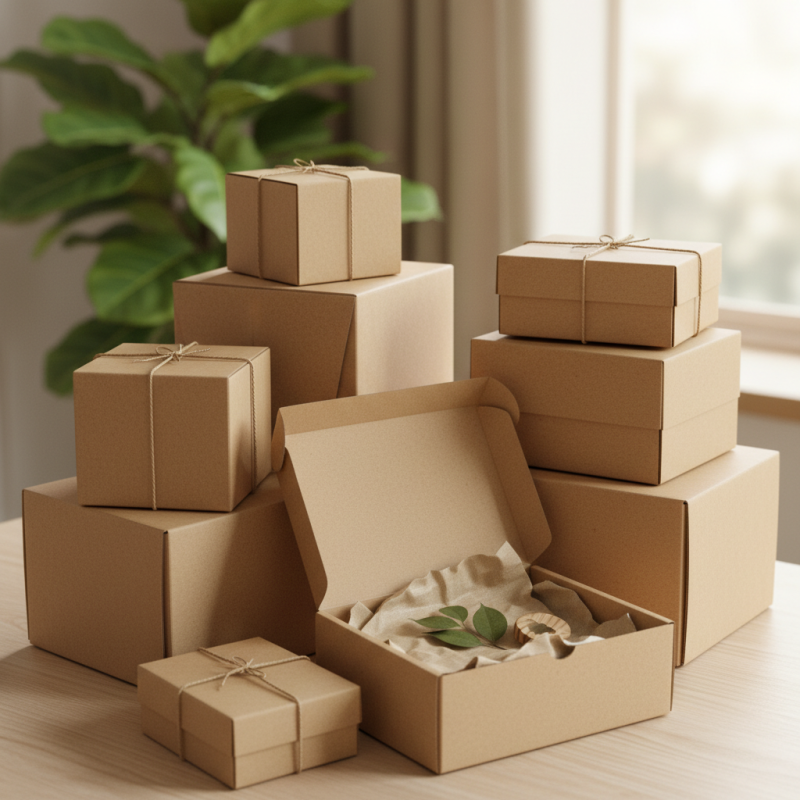
In today's eco-conscious world, businesses are seeking sustainable packaging solutions. Kraft paper boxes have emerged as a favored option. These boxes are made from natural fibers, making them biodegradable and recyclable. Companies can reduce their carbon footprint while still showcasing their products effectively.

Using kraft paper boxes adds a rustic touch to packaging. They can be customized with unique prints and designs. This allows businesses to express their brand identity. However, one challenge is ensuring durability while remaining eco-friendly. Sometimes, the aesthetics might compromise the strength of the packaging.

Exploring kraft paper boxes means embracing both style and sustainability. Companies must continually evaluate their packaging choices. It’s essential to balance visual appeal with environmental responsibility. In the end, kraft paper boxes offer a promising solution for eco-friendly packaging.

2026 How to Use Kraft Paper Boxes for Eco-Friendly Packaging Options?

Benefits of Using Kraft Paper Boxes for Sustainable Packaging Solutions

Kraft paper boxes are becoming popular for eco-friendly packaging solutions. These boxes are made from recyclable materials, reducing waste significantly. They provide a sturdy option for various products while being gentle on the environment. Many businesses are switching to these boxes to showcase their commitment to sustainability.

Using kraft paper can also enhance brand image. Customers are more aware of environmental issues today. They appreciate brands that prioritize green practices. Kraft paper boxes can be customized easily. This feature allows businesses to create unique and appealing packaging. Yet, there are challenges. Not all kraft paper is created equal. Some may not hold up well in certain conditions. Choices need careful consideration.

Cost can also be a factor affecting the decision to switch. While kraft boxes can be eco-friendly, some may find them pricier than traditional options. This requires brands to balance cost against ideals. It’s essential to evaluate whether the switch will resonate with customers. Understanding both environmental benefits and economical aspects can lead to better choices.

2026 How to Use Kraft Paper Boxes for Eco-Friendly Packaging Options?

Dimension Description Benefits
Material Kraft paper is made from recycled materials, ensuring low environmental impact. Sustainable sourcing, reduces use of virgin materials.
Biodegradability Kraft paper is fully biodegradable and compostable. Safe for the environment, minimizes landfill waste.
Durability Strong and tear-resistant, suitable for various products. Reliable protection for contents during shipping and handling.
Customizability Easily customizable with printing and branding options. Enhances brand visibility while promoting eco-friendliness.
Cost-Effective Generally affordable compared to plastic or other packaging materials. Reduces overall packaging costs while supporting sustainability.
Consumer Preference Growing demand for eco-friendly packaging among consumers. Attracts environmentally conscious consumers, boosting sales.

Manufacturing Process of Kraft Paper: Eco-Friendly and Efficient Techniques

Kraft paper is a sustainable option for packaging. Its manufacturing process reflects eco-friendly principles. The key lies in using recycled materials. This reduces the demand for new trees. A common technique involves the use of sulfate pulping. This method is efficient and uses less water compared to traditional methods.

Once the pulp is ready, it is processed into sheets. The sheets are then dried using natural air drying methods. This practice minimizes energy consumption. Despite its benefits, the process can produce waste. It's crucial for manufacturers to find ways to reduce environmental harm.

Some factories still face challenges with chemical runoff. This is upsetting, considering the eco-conscious approach. Continuous improvements in recycling systems are needed. It would help in achieving a truly green footprint. Emphasizing sustainability is essential. However, the journey is not perfect. There is always room for reflection and growth in the industry.

Market Trends: The Rise of Eco-Conscious Packaging in 2026

In 2026, eco-conscious packaging is becoming the norm. Many consumers now seek sustainable options. Kraft paper boxes are gaining popularity for good reasons. They are biodegradable and recyclable. This appeals to a growing audience that values environmental sustainability.

Market trends indicate a significant shift. Brands are prioritizing eco-friendly materials. Customers are more educated about their choices. They want packaging that reflects their values. However, not all companies get it right. Some still rely on plastic. This creates confusion among consumers who seek transparency.

Using kraft paper boxes isn’t just a trend; it’s a responsibility. Businesses need to explore the benefits. These boxes are versatile and customizable. They can protect products well. Yet, some businesses struggle with the transition. It demands a shift in mindset. Adopting sustainable practices is often met with challenges. Reflection on these practices is crucial for genuine change.

Comparison of Kraft Paper Boxes with Conventional Packaging Materials

2026 How to Use Kraft Paper Boxes for Eco-Friendly Packaging Options?

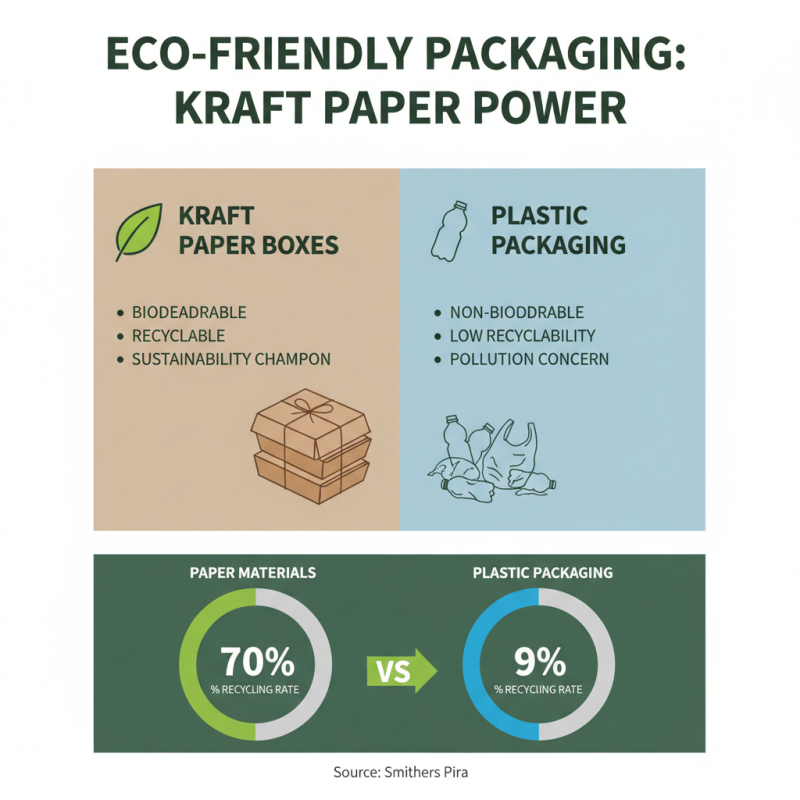
Kraft paper boxes are gaining attention for their eco-friendly properties. Unlike conventional plastic packaging, these boxes are biodegradable and recyclable. According to a report by Smithers Pira, paper materials have an average recycling rate of around 70%, while plastic packaging hovers around 9%. This stark difference highlights the sustainability benefits of choosing kraft paper.

Moreover, kraft paper boxes are durable and robust. They can effectively protect products during transit, reducing waste due to damages. An estimated 30% of conventional packaging is wasted due to breakage compared to kraft paper, which can withstand pressure and weight better. However, kraft paper does have its limitations; it may not provide the same moisture resistance as some plastics, requiring careful handling in wet conditions.

The aesthetics of kraft paper boxes also resonate with eco-conscious consumers. Their natural look often evokes a sense of sustainability. But, brands should be cautious when relying solely on this appeal. Some consumers may question the performance of kraft paper in terms of shelf life and protection. Understanding these nuances is essential for businesses aiming to make impactful choices that reflect their commitment to sustainability.

Best Practices for Customizing Kraft Paper Boxes to Maximize Sustainability

Kraft paper boxes are a fantastic choice for eco-friendly packaging. They are biodegradable and recyclable, making them a sustainable option. To customize these boxes, consider the following best practices.

Using water-based inks is a great way to minimize environmental impact. These inks have fewer harmful chemicals and are easier to recycle. Additionally, consider using minimalistic designs. Reducing ink usage not only saves resources but also gives a natural look to your packaging. Customers appreciate transparency and authenticity.

Tip: Explore different textures and finishes. A rough texture feels organic and enhances the tactile experience. Adding a silk finish can elevate the appearance without compromising sustainability. Remember, not all finishes work well with kraft paper. It's crucial to test them out.

Always reflect on your design choices. Are there unnecessary elements that could be simplified? Sometimes, less is more. Focus on what really matters—protecting your products while being kind to the planet. Customizing kraft paper boxes can truly reflect your commitment to sustainability when done thoughtfully.

Eco-Friendly Kraft Paper Boxes: Best Practices for Customization

This bar chart illustrates the various sustainability features of Kraft paper boxes, highlighting their strengths in eco-friendly packaging. Each feature is rated on a scale from 1 to 10 based on its effectiveness and importance in promoting sustainability.