What is Kraft Paper Boxes and Why Are They Popular in Packaging?
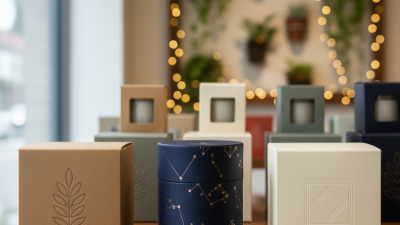
Kraft paper boxes are gaining significant traction in the packaging industry. These boxes are made from a strong and durable paper pulp. Their natural look appeals to eco-conscious consumers. Companies value them for their versatility and cost-effectiveness.
Many brands are shifting toward kraft paper boxes for several reasons. They are recyclable, biodegradable, and often made from recycled materials. This aligns well with sustainable practices. However, some may question their durability compared to plastic. The truth is, kraft paper boxes can hold considerable weight. Yet, not all suppliers may meet quality standards.
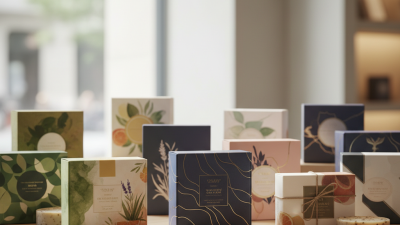
Kraft paper boxes can be tailored for numerous products. From food items to cosmetics, they serve diverse needs. As brands embrace eco-friendly packaging, they also face challenges. Maintaining visual appeal while being sustainable is no easy task. Exploring the balance between aesthetics and functionality remains an essential topic in packaging design.
What is Kraft Paper and Its Composition in Packaging Materials
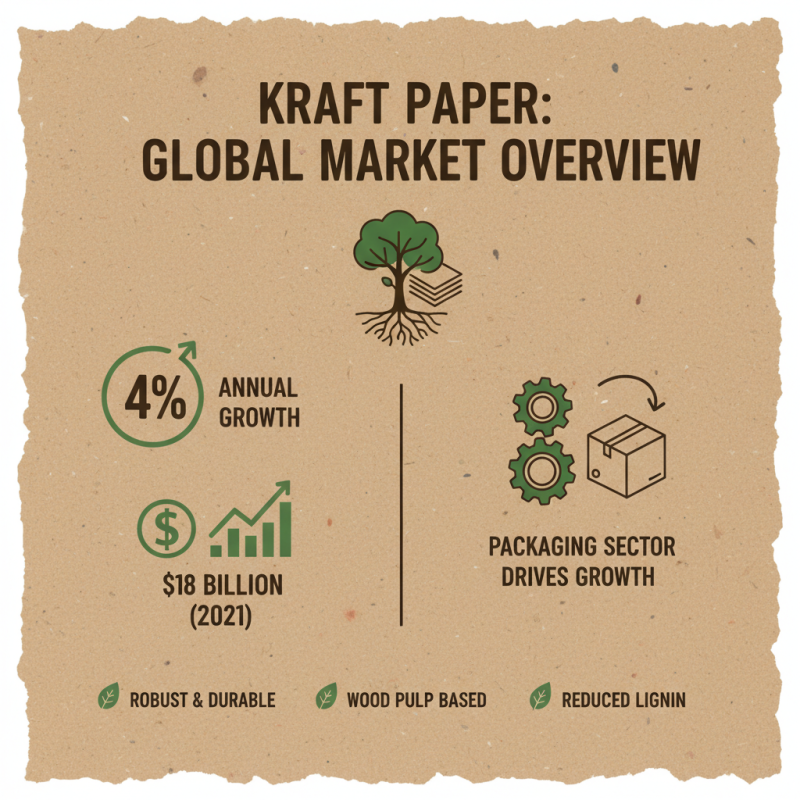
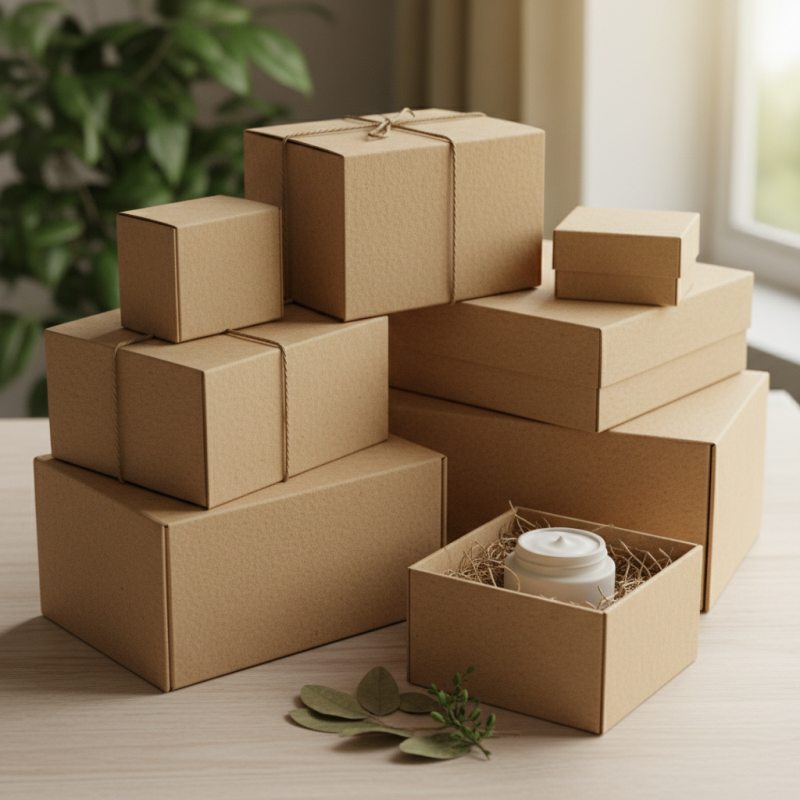
Kraft paper is a robust material primarily made from wood pulp. Its strength comes from the Kraft process, which reduces lignin content. This results in a brown paper that is both durable and versatile. According to industry reports, the global kraft paper market was valued at approximately $18 billion in 2021 and is projected to grow by around 4% annually. This highlights its significant role in the packaging sector.
This paper is often used for boxes, bags, and other packaging solutions. Its eco-friendliness enhances its appeal. Kraft paper is recyclable and biodegradable. Consumers increasingly prefer sustainable options, leading to a rise in demand. Notably, around 60% of consumers prioritize packaging that's environmentally friendly. However, the production process also raises questions about sustainability. Sourcing wood pulp must be managed carefully to avoid deforestation.
Moreover, while kraft paper boxes are gaining popularity, they are not without limitations. Their moisture resistance can be an issue in certain environments. In addition, the aesthetic appeal may sometimes fall short when compared to glossy alternatives. Many businesses are exploring coatings to enhance the appearance and functionality. Such innovations aim to combine practicality with visual appeal. This ongoing journey reflects the industry's effort to adapt and improve.
The Versatility of Kraft Paper Boxes in Various Industries
Kraft paper boxes have gained significant traction across various industries due to their adaptability. They stand out in the realm of sustainable packaging. Unlike plastic, kraft paper boxes are biodegradable. This eco-friendliness appeals to many businesses aiming to reduce their carbon footprint.
In the food industry, these boxes are commonly used for takeout and deliveries. They can withstand moisture, making them ideal for food containers. However, not all kraft paper boxes are food-grade. This inconsistency can lead to challenges in quality control.
The cosmetics industry also utilizes kraft paper for packaging. It creates an earthy, natural aesthetic often favored by consumers. Yet, the lack of robust protective features can cause concerns, especially for fragile items.
Retailers increasingly prefer kraft paper boxes for shipping and display. They are easy to customize and print, allowing brands to tell their story. Still, the strength of these boxes can vary based on thickness. Some may find that cheaper options wear down easily. Understanding these limitations is crucial for businesses aiming for longevity in product packaging.
Key Benefits of Using Kraft Paper Boxes for Sustainable Packaging
Kraft paper boxes are a rising star in the world of packaging. They are made from unbleached virgin pulp, which gives them a distinct brown color. This is more than just aesthetics; it reflects a commitment to sustainability. Many companies are turning to these boxes to reduce their environmental footprint. They are recyclable, biodegradable, and made from renewable resources. This makes them a popular choice for eco-conscious businesses.
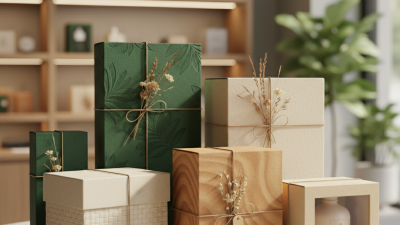
The benefits of using Kraft paper boxes extend beyond their sustainable properties. They are strong and durable, which helps protect the contents during shipping. Their natural look appeals to many consumers who prefer a rustic and organic aesthetic. However, there are concerns. Not all Kraft paper is created equal. Some products may contain harmful additives. It’s crucial to ensure that the packaging aligns with the brand’s values.
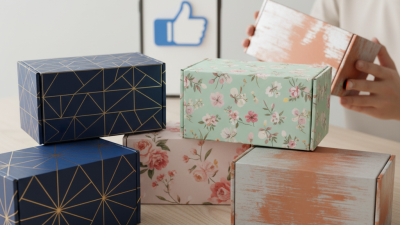
Kraft paper boxes also offer customization options. Businesses can print logos or designs directly on the surface. This helps in marketing while maintaining an eco-friendly image. Still, not every brand takes full advantage of this potential. Some only use plain designs, missing out on opportunities for connection. Those who invest time in creative designs can stand out in a crowded market.
Kraft Paper Boxes and Their Popularity in Sustainable Packaging
The following chart illustrates the key benefits of using Kraft paper boxes in packaging, showcasing their popularity due to environmental benefits, cost-effectiveness, and versatility.
Market Trends: Growth and Adoption Rates of Kraft Paper Packaging
Kraft paper boxes are gaining traction in the packaging industry. They are durable and eco-friendly. Many companies are making the switch. This shift is driven by rising environmental awareness. Consumers favor sustainable options over plastic. The kraft paper market is experiencing significant growth. Adoption rates are high across various sectors.
Retail and food industries are leading this trend. Kraft paper packaging enhances product presentation. It has a rustic, natural appeal that attracts customers. Many brands are now using kraft paper for their products. This material also offers versatility. It can be molded into different shapes and sizes. However, some challenges still exist.
For instance, kraft paper can be more expensive than standard options. Not every company is ready to invest in it. There is also a need for improvement in water resistance. Despite these issues, the benefits are clear. Moving towards kraft paper may require an adjustment. Companies looking to innovate must consider their choices carefully.
Comparative Analysis: Kraft Paper Boxes vs. Traditional Packaging Solutions
Kraft paper boxes are gaining traction in the packaging industry. Their eco-friendly properties, coupled with cost-effectiveness, make them appealing. In fact, the global kraft paper market size was valued at $19.6 billion in 2022 and is projected to grow at a CAGR of 4.9% from 2023 to 2030. This statistic reveals a clear shift towards sustainable solutions.
When comparing kraft paper boxes to traditional packaging options, several factors surface. Kraft paper boxes tend to be lighter than plastic or metal alternatives. This weight reduction can lower shipping costs, an appealing factor for businesses. However, traditional packaging can offer better protection for fragile items. The strength of materials like corrugated cardboard can deter damage during transport, which is essential for many products.
Furthermore, while kraft paper is biodegradable, its durability may not match that of plastics. This invites scrutiny into its long-term sustainability. Studies show that about 40% of consumers prefer sustainable packaging; however, the trade-off with durability remains a challenge. Brands must reflect on how to balance eco-friendliness with product safety.

 Cosmetic Packaging
 Display Packaging
 CBD Packaging
 Retail Packaging
 Product Packaging
 Cigarette Packaging
 Candle Packaging
 Soap Packaging
 Chocolate Packaging
 Vape Packaging
 Food Packaging
 Window Packaging Boxes
 Gift Packaging
 Bakery Packaging Boxes
 Pizza Packaging
 Bottle Packaging
 Garments Packaging
 Custom Printed Bags
 Christmas Packaging
 Toy Packaging
 Cereal Packaging
 Jewelry Packaging
 Apparel Packaging
 Shipping Packaging
 Custom Pre Roll Boxes
 Dispenser packaging
 Eco Friendly Packaging
 Custom Health Packaging
 Pharmaceutical Packaging