
Cosmetic Packaging
Display Packaging
CBD Packaging
Retail Packaging
Product Packaging
Cigarette Packaging
Candle Packaging
Soap Packaging
Chocolate Packaging
Vape Packaging
Food Packaging
Gift Packaging
Bakery Packaging Boxes
Pizza Packaging
Bottle Packaging
Garments Packaging
Custom Printed Bags
Christmas Packaging
Toy Packaging
Cereal Packaging
Jewelry Packaging
Apparel Packaging
Shipping Packaging
Custom Pre Roll Boxes
Dispenser packaging
Eco Friendly Packaging
Custom Health Packaging
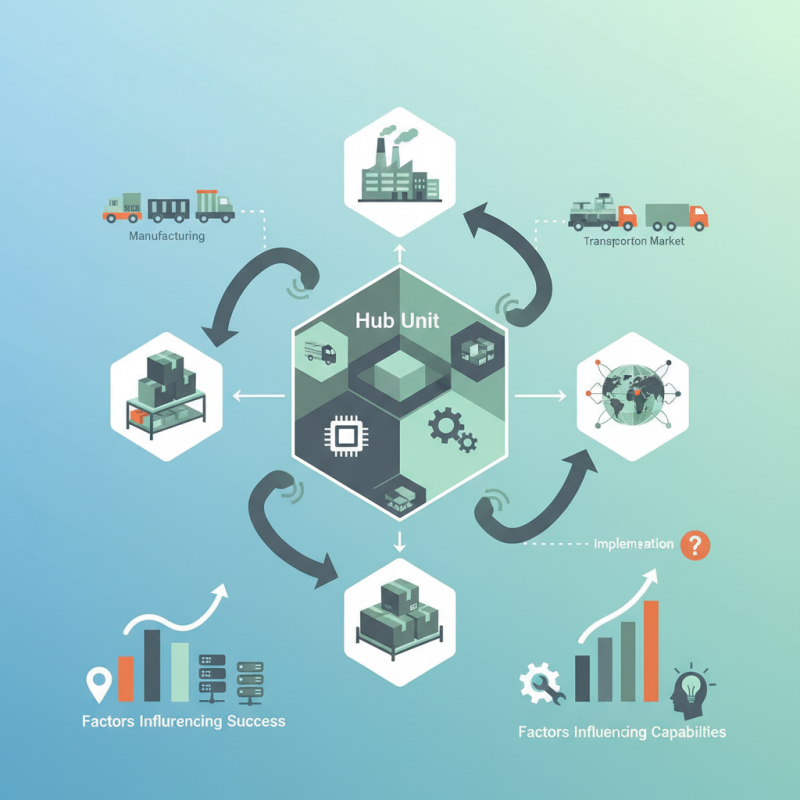
Pharmaceutical PackagingIn China's rapidly evolving supply chain landscape, "Hub Units" play a critical role. These units function as centralized logistics centers, connecting various supply chain elements. They streamline operations by managing inventory, optimizing transportation, and enhancing distribution efficiency. Hub Units are vital for businesses aiming to remain competitive in a global market.
With the complexities of modern logistics, many companies are reevaluating their supply chain strategies. Hub Units can foster collaboration among stakeholders. However, the implementation of these units is not without challenges. Firms must balance technology integration with human resources. The potential for significant disruptions during the transition phase raises valid concerns.
It is essential to analyze the effectiveness of Hub Units. Not all organizations experience the same level of success. Factors like location, technology infrastructure, and management capabilities greatly influence outcomes. By reflecting on these elements, businesses can better understand the efficiency of their supply chains.
Hub Units are pivotal in shaping China's supply chain dynamics. These are strategic nodal points where goods are consolidated and redistributed. They optimize transportation and inventory management, reducing costs and delivery times. By centralizing operations, Hub Units enhance efficiency in urban logistics and rural supply.
However, the implementation of Hub Units is not without challenges. Infrastructure limitations in certain regions can hinder accessibility. Additionally, reliance on digital systems raises concerns about cybersecurity and data management. The balance between automation and human labor remains a point of debate within the industry. Companies must navigate these complexities while striving for innovation.
In the context of China’s competitive landscape, Hub Units play a critical role. They facilitate rapid responses to market changes and consumer demands. Yet, the uneven development across provinces can lead to disparities in service levels. Companies must continuously assess their Hub Unit strategies to ensure they meet evolving needs and maintain credibility in this dynamic environment.
Hub Units play a crucial role in enhancing logistics efficiency within China. These strategic centers streamline the supply chain by acting as consolidation points. They handle large volumes of goods, reducing delivery times. By centralizing operations, Hub Units simplify inventory management. This can lead to cost reductions for businesses.
However, the implementation of Hub Units is not without challenges. Coordination between various transport methods can be complex. Delays in one area can ripple through the entire network. Furthermore, there is the risk of over-reliance on these hubs, which may create bottlenecks during peak seasons.
Despite these issues, the benefits are substantial. Hub Units enable quicker response times to market demand. They enhance visibility across the supply chain. This allows companies to make data-driven decisions. In a fast-paced market, agility is indispensable.
Hub units are essential in China's top supply chain ecosystem. They centralize logistics, improve efficiency, and streamline operations. Key performance indicators (KPIs) are vital for assessing their effectiveness. These metrics provide insights into performance and operational challenges.
One crucial KPI is inventory turnover. According to industry data, China's average inventory turnover rate in 2022 was approximately 6.5 times per year. This highlights the ability of hub units to manage stock effectively. A higher turnover rate indicates better demand forecasting and inventory management. In contrast, a low rate requires reflection on supply chain practices.
Another significant metric is order fulfillment accuracy. Recent reports indicate that effective hub units achieve over 95% accuracy in order fulfillment. However, challenges persist. Sometimes, unforeseen factors disrupt this precision. Identifying and addressing root causes is essential for continued improvement in operations. These KPIs provide a framework for evaluating hub unit performance, ultimately guiding better decision-making in supply chain management.
Hub units play a crucial role in China's e-commerce landscape. They serve as pivotal points in supply chains, enhancing logistics efficiency and market penetration. According to a recent report by the China Internet Network Information Center, more than 70% of urban consumers regularly purchase goods online. Hub units facilitate this by shortening delivery times and optimizing inventory management.
The impact of these units extends beyond logistics. When strategically located, they can drive regional economic growth. A study from the National Bureau of Statistics highlighted that hubs in tier-one cities saw a 15% increase in local business revenues. However, the reliance on these hubs can also create vulnerabilities. Over-concentration in certain areas may lead to logistical bottlenecks during peak seasons.
Moreover, the expansion of hub units raises concerns about sustainability. The logistics industry generates significant carbon emissions. According to the Ministry of Ecology and Environment, logistics accounts for about 20% of China's carbon footprint. Balancing growth and environmental responsibility remains a challenge. While hub units are vital for e-commerce, their rapid expansion invites scrutiny.
China's hub units represent a strategic shift in supply chain management. They integrate advanced technology to streamline operations. A recent report from the China Federation of Logistics and Purchasing (CFLP) highlights that more than 60% of logistics companies are adopting digital tools. This shift is essential as businesses strive for efficiency and responsiveness in a rapidly changing market.
Innovation is at the core of China's hub unit strategy. Emerging technologies like AI and IoT are reshaping logistics. For example, predictive analytics allows for better inventory management, reducing costs by up to 15%. However, many companies still grapple with implementing these technologies effectively. A significant percentage reported challenges in data integration across platforms.
As supply chains evolve, the need for real-time data becomes crucial. Companies that leverage cloud-based solutions see a 30% improvement in operational efficiency. Yet, the reliance on technology also raises concerns. Cybersecurity threats pose risks to sensitive supply chain data. Consequently, firms must balance innovation with the security of their operations.
| Dimension | Description | Trend Indicator | Implementation Status |
|---|---|---|---|
| Automation | Use of robotics and AI to streamline operations. | Increasing adoption rates of automation technologies. | Pilot programs underway with extended rollouts planned. |
| Data Analytics | Utilizing big data to enhance decision-making and forecasting. | Growing investments in data analytics tools. | In implementation phase across major sectors. |
| Sustainability | Focus on environmentally friendly practices in supply chains. | Increased regulatory requirements and consumer demand. | Early stages with many companies setting goals. |
| Real-time Tracking | Implementation of IoT devices for package tracking. | Rising use of IoT in logistics and shipping. | General adoption across logistics companies. |
| Collaboration | Partnerships forged between industries to enhance supply chain efficiency. | Significant collaboration trends in tech and retail. | Many collaborations in negotiation or execution stages. |
© 2007 - 2025 The Custom Packaging. All right reserved.