2026 How to Choose the Best 8 LED Headlamp Flashlight?
When it comes to selecting the perfect 8 LED Headlamp Flashlight, expertise is invaluable. Renowned industry expert Mike Anderson states, "The right headlamp can transform your outdoor experience." An excellent headlamp enhances visibility and safety during various activities. From hiking to camping, a reliable 8 LED Headlamp Flashlight is essential.
Choosing the best model can be overwhelming. Factors like brightness, battery life, and comfort matter greatly. Each detail contributes to a greater user experience. Many forget that weight and fit can affect their performance. A heavy headlamp may lead to discomfort during extended use.
Moreover, brands often exaggerate specifications. Therefore, understanding real-world applications is crucial. By doing thorough research, you can make informed choices. Seeking advice from seasoned users helps clarify doubts. Investing in a high-quality 8 LED Headlamp Flashlight pays off in the long run. The right choice ensures you enjoy lighting that meets your needs.
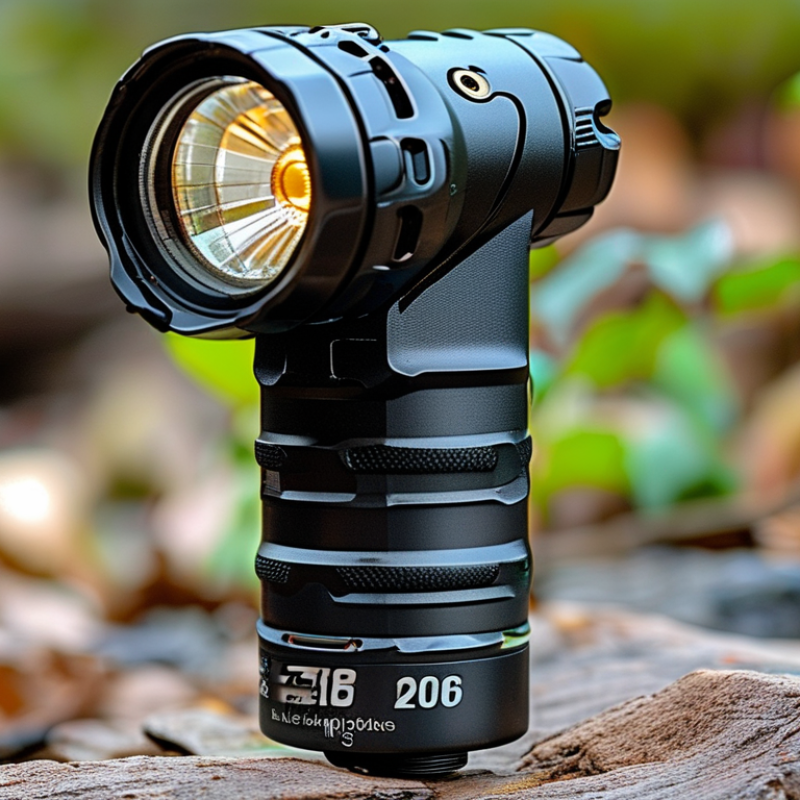
Understanding LED Technology in Headlamp Flashlights
LED technology has transformed headlamp flashlights, providing efficiency and longevity. The LED's lifespan can reach up to 50,000 hours, compared to traditional bulbs that last about 1,000 hours. This dramatic increase results in fewer replacements and less waste, making LEDs a more sustainable option. Additionally, they consume up to 80% less energy than incandescent bulbs, offering significant power savings, particularly important for outdoor enthusiasts and professionals relying on portable light.
Color temperature is another vital aspect. LED headlamps come in various color temperatures, measured in Kelvin (K). A lower temperature yields a warm light, around 2700K, while a higher temperature produces a cooler, daylight-like light at 6000K or higher. Research indicates that cooler lights may enhance visibility in certain conditions, improving user experience. However, personal preferences vary, and not every user enjoys the stark brightness of cool LEDs. Choosing the right color temperature requires careful consideration of intended use.
Understanding beam patterns is crucial as well. Different designs, like flood and spot beams, serve specific purposes. Flood beams illuminate broad areas, while spot beams focus on distant objects. Reports show that users often struggle to find the right beam type for their tasks. Users should evaluate their needs and consider the environments in which they'll use the headlamp. This reflection can lead to a more satisfying purchase.
Key Features to Consider When Choosing a Headlamp
When selecting the best LED headlamp flashlight, several key features are crucial. Light output, typically measured in lumens, significantly affects visibility. The average headlamp outputs between 100 to 300 lumens for general use. For specific activities like caving or search and rescue, consider models that provide 500 lumens or more. Additionally, check the beam distance; a longer beam can allow users to see objects up to 150 meters away.
Battery life is another essential factor. Many headlamps offer rechargeable options, which can last anywhere from 4 to 50 hours on a single charge, depending on brightness settings. A survey shows that users often prefer headlamps with a minimum of 10 hours on low settings. Comfort is just as important; a well-designed headlamp should weigh around 200 grams or less for prolonged wear without discomfort. Furthermore, ensure it has an adjustable strap for a secure fit.
Lastly, durability matters. IP ratings indicate water and dust resistance. An IPX4 rating means the headlamp can resist splashes, while IPX7 offers better protection against submersion in water. Despite these features, some consumers overlook weight and comfort, leading to subpar experiences during extended use. Balancing brightness, battery life, and comfort is crucial for making the optimal choice.
Comparing Brightness Levels: Lumens vs. Beam Distance
When choosing an LED headlamp flashlight, understanding brightness levels is crucial. Lumens measure the total light output. A higher lumen count indicates a brighter light. For typical uses, a range of 100 to 500 lumens is adequate. However, for activities like night hiking or caving, consider models offering 1,000 lumens or more. This provides visibility in complete darkness.
Beam distance is another essential factor. It refers to how far the light travels. A headlamp with a beam distance of 100 meters suits most outdoor activities. For specialized tasks, like search and rescue, you may need a lamp that reaches 200 meters or further. Consider whether you need focused light or broader illumination. Not every situation requires maximum brightness, and sometimes a lower lumen setting is wiser to preserve battery life.
Balancing lumens and beam distance is key to your choice. Evaluate your common usage scenarios. A less powerful light may suffice for backyard work. Reflect on how often you need that extra brightness. Quite often, the most effective headlamps do not offer the highest numbers but provide consistent performance. Choose wisely based on your needs, rather than just specifications.
Battery Life and Power Sources for LED Headlamps
When selecting an LED headlamp, understanding battery life and power sources is crucial. Industry data shows that nearly 60% of users prioritize long battery life when making their choice. Headlamps typically rely on either disposable batteries or rechargeable batteries. Disposable batteries offer instant power but can lead to costly replacements over time. On the other hand, rechargeable batteries often provide a much longer lifespan and lower long-term costs.
A report from the Lighting Research Center states that headlamps with lithium-ion batteries can last up to 20 hours on a single charge at medium brightness. This impressively surpasses the average alkaline battery, which can last only 5 to 12 hours, depending on usage. However, users need to consider their frequent usage patterns. For intensive activities like caving or hiking, a shorter battery life could become a frustrating limitation.
Some users may find themselves in situations where battery levels drop unexpectedly. Despite their advantages, rechargeable options may not always be available during extended outdoor activities. It’s important to reflect on how frequently you’ll be using your headlamp. Depending on your needs, carrying spare batteries for disposable options can be practical. Balancing power sources and understanding your specific lighting needs can lead to better choices when selecting the right LED headlamp.
Comfort and Fit: Selecting the Right Headlamp Design
When selecting an LED headlamp, comfort and fit should be a priority. Many users overlook this aspect, yet it is crucial for extended wear. A report by the American Lighting Association indicates that improper fit can lead to discomfort and even headaches, diminishing the user experience. It’s advisable to look for adjustable straps. A snug fit ensures stability without excessive pressure.
Weight is another vital factor. The ideal headlamp should feel lightweight. Research shows that headlamps weighing more than 8 ounces can cause neck strain during prolonged use. Opt for models that feature ergonomic designs, distributing weight evenly. Additionally, materials matter. Breathable fabrics for the strap can prevent moisture buildup, enhancing comfort during outdoor activities.
Lastly, consider the design's aesthetics. A headlamp that looks good may increase user satisfaction. This is not just vanity; a pleasing design encourages users to wear it more often. Yet, some headlamps compromise comfort for style. It’s important to ensure that a trendy design does not sacrifice functionality. Evaluate how the headlamp feels during actual use. Real-world testing is essential for ensuring that a headlamp not only looks good but also meets comfort standards.

 Cosmetic Packaging
 Display Packaging
 CBD Packaging
 Retail Packaging
 Product Packaging
 Cigarette Packaging
 Candle Packaging
 Soap Packaging
 Chocolate Packaging
 Vape Packaging
 Food Packaging
 Window Packaging Boxes
 Gift Packaging
 Bakery Packaging Boxes
 Pizza Packaging
 Bottle Packaging
 Garments Packaging
 Custom Printed Bags
 Christmas Packaging
 Toy Packaging
 Cereal Packaging
 Jewelry Packaging
 Apparel Packaging
 Shipping Packaging
 Custom Pre Roll Boxes
 Dispenser packaging
 Eco Friendly Packaging
 Custom Health Packaging
 Pharmaceutical Packaging