
Top 5 Hair Pin Machine Tips for Global Buyers?

In the competitive world of manufacturing, the "Hair Pin Machine" has become vital for suppliers aiming to meet global demands. According to John Smith, an industry expert with over two decades of experience, “Investing in the right machinery is crucial for quality output.” His advice highlights the importance of choosing the right tools to enhance efficiency and production quality.

Understanding the nuances of these machines is essential for buyers. Many do not realize that regular maintenance can significantly impact performance. For instance, a well-maintained Hair Pin Machine can produce consistent results, while neglecting it may lead to unexpected downtimes. Each component plays a role in the production process, so attention to detail is necessary.

Furthermore, global buyers often overlook the diversity of specifications in Hair Pin Machines. Not every model fits every need. Recognizing the specific requirements of your market can lead to better choices and more successful outcomes. The complexities of selecting and utilizing these machines aren’t always clear, but they can define the success of your operations.

Top 5 Hair Pin Machine Tips for Global Buyers?

Understanding Hair Pin Machines: Types and Features

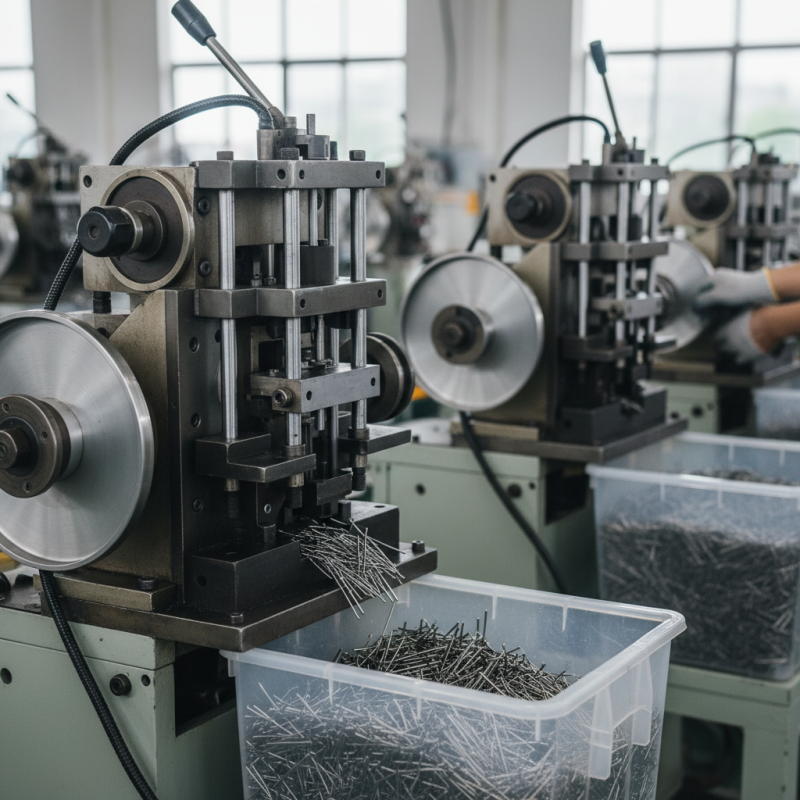
When exploring hair pin machines, understanding their types and features is crucial for global buyers. There are several types of hair pin machines, such as manual, semi-automatic, and fully automatic models. Each type caters to different production scales. Manual machines are cost-effective but require more labor. In contrast, fully automatic models boost efficiency but come with a higher price tag.

Buyers must pay attention to key features, including speed, versatility, and ease of use. A machine with adjustable speed settings allows adaptation to various hair pin styles. Versatile machines can produce different hair pin shapes, appealing to a broader market. Ease of operation is essential, particularly for new operators. Training time and user-friendliness impact productivity.

It’s essential to consider the quality of materials used in manufacturing the machines. Quality parts lead to better longevity and performance. Some machines may appear robust but have hidden flaws in design or materials. This can affect output quality and long-term maintenance costs. Buyers should always prioritize reliable suppliers and seek feedback from other users. Recognizing these aspects will help buyers make informed decisions when selecting hair pin machines.

Key Considerations for Selecting a Hair Pin Machine

When selecting a hair pin machine, buyers should focus on several key factors. Machine capacity is crucial. Understand how many pins you need to produce daily. A machine with too low a capacity can slow your production. Conversely, an oversized machine might lead to unnecessary energy consumption.

Quality is another aspect to consider. Investigate the materials and craftsmanship of the machine. A well-built machine will perform consistently over time. Poor quality may result in frequent breakdowns, leading to production delays. Don't forget to evaluate the machine's efficiency. Energy consumption affects your overall costs.

Support services are often overlooked. Ensure that your supplier offers reliable after-sales service and technical support. A good relationship with the supplier can make maintenance easier. Lastly, consider the machine’s adaptability to different hair pin designs. Flexibility can enhance your product line, but not all machines offer this feature. Reflecting on these factors can guide you to a sound investment.

Essential Maintenance Tips for Optimal Performance

Proper maintenance of hair pin machines is crucial for ensuring optimal performance. Regular inspections can prevent costly downtimes. According to industry reports, well-maintained machines can improve efficiency by up to 30%. Keeping the machine clean and lubricated is a basic yet effective tip. Dirt buildup can lead to malfunction, affecting product quality.


Another essential aspect is monitoring parts for wear and tear. The average lifespan of machine components can vary, but replacing worn parts can prevent failures. It’s advisable to keep a replacement inventory for vital components. Track performance metrics regularly. This data can highlight issues before they escalate.


Ensure the operational environment is optimal. Temperature and humidity levels impact machinery performance. Maintaining a stable environment can enhance machine longevity. A common oversight is neglecting minor adjustments, leading to significant performance drops. Always remember that attention to detail is key to sustained success in production.

Cost Analysis: Budgeting for Hair Pin Machine Purchases

When budgeting for hair pin machine purchases, it's crucial to consider various cost factors. Recent reports indicate that the average price for hair pin machines ranges from $5,000 to $20,000. This variation depends on features, production capacity, and technology. Quality machines are often on the higher end of this spectrum, but they can yield significant efficiencies.

Unexpected costs can arise during the purchasing process. Installation fees, training costs, and maintenance should be part of the budget. A detailed survey shows that companies often underestimate these expenses, which can add an additional 15-20% to the initial purchase price. The learning curve can also be steep, requiring businesses to invest in skilled personnel.

Global buyers should also consider the long-term financial impact of their choices. A machine with better energy efficiency may cost more upfront but can lead to substantial savings over time. Research emphasizes that the total cost of ownership often outweighs the initial investment. Thus, understanding these factors is key for making informed decisions in the hair pin machine market.

Global Sourcing: Finding Reliable Hair Pin Machine Suppliers

Finding reliable hair pin machine suppliers can be challenging for global buyers. The market is filled with options, but not all suppliers meet quality standards. Conducting thorough research is essential. Start by evaluating the supplier's experience in the industry. Look for established suppliers with a solid track record in producing hair pin machines.

Communication is crucial in sourcing. Reach out to potential suppliers and gauge their responsiveness. Effective communication can indicate their reliability. Ask for customer references to get insight into their service quality. It’s important to assess not just the product, but also the support you may need post-purchase.

Pay attention to manufacturing practices. Suppliers should adhere to high-quality standards. Visit factories if possible. This helps verify their production process and equipment. Evaluate whether they are open to inspections. Reviews from other buyers can provide honest assessments of a supplier's reputation. Always prioritize suppliers who demonstrate transparency and commitment to their craft.