
Cosmetic Packaging
Display Packaging
CBD Packaging
Retail Packaging
Product Packaging
Cigarette Packaging
Candle Packaging
Soap Packaging
Chocolate Packaging
Vape Packaging
Food Packaging
Gift Packaging
Bakery Packaging Boxes
Pizza Packaging
Bottle Packaging
Garments Packaging
Custom Printed Bags
Christmas Packaging
Toy Packaging
Cereal Packaging
Jewelry Packaging
Apparel Packaging
Shipping Packaging
Custom Pre Roll Boxes
Dispenser packaging
Eco Friendly Packaging
Custom Health Packaging
Pharmaceutical PackagingWhen it comes to establishing a successful business, the importance of effective branding cannot be overstated. One of the crucial elements that contribute to a brand's identity is its packaging. Printed packaging boxes play a vital role in not only protecting your products but also enhancing your overall brand image. With the right design and material, these boxes can communicate your brand's values and attract customers' attention in a crowded marketplace.
Choosing the right printed packaging boxes requires careful consideration of several factors. From the type of product being packaged to the target audience, every aspect influences how your packaging will resonate with consumers. In this guide, we will explore essential tips that can help you make informed decisions on selecting printed packaging boxes that align with your business objectives. By understanding these key elements, you’ll be better positioned to create lasting impressions and foster brand loyalty through your packaging choices.
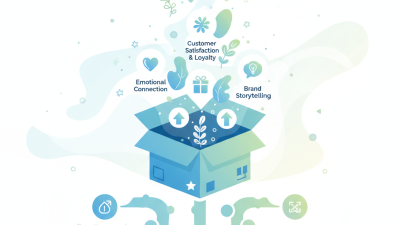
Printed packaging boxes play a crucial role in the branding and marketing strategies of any business. They are not just protective containers for products; they serve as a vital touchpoint with customers. When potential buyers see a well-designed package, it does more than just convey information; it creates an emotional connection. The visual appeal of printed packaging can enhance perceived value, attract attention on the shelf, and make a lasting impression that ultimately influences purchasing decisions.
Moreover, printed packaging boxes can effectively communicate a brand’s story and values. Through colors, graphics, and typography, businesses can express their identity and differentiate themselves from competitors. This visual communication is an opportunity to educate consumers about the product and its uses while fostering authenticity and trust. In today's market, where customers are increasingly seeking to support brands with meaningful narratives, well-crafted packaging becomes an essential tool for building lasting relationships with consumers.
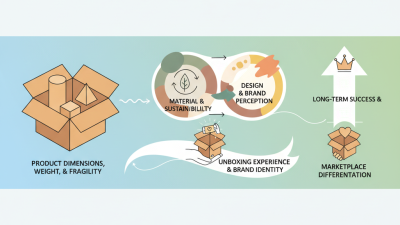
When selecting printed packaging boxes for your business, the choice of materials is crucial to achieving both aesthetic appeal and functionality. According to a recent survey by the Paper and Packaging Board, 72% of consumers say that packaging design influences their purchasing decision, highlighting the need for effective material selection. Common materials used in printed packaging include corrugated cardboard, paperboard, and plastic. Each option has its unique advantages, allowing businesses to tailor their packaging to product demands, shipping methods, and environmental considerations.
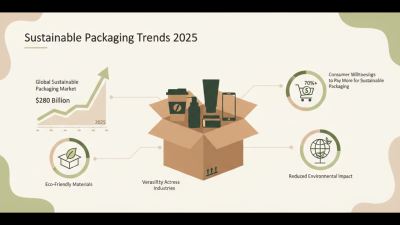
Tip: When choosing your packaging material, consider the environmental impact. Sustainable options, such as recycled paper and biodegradable materials, resonate well with eco-conscious consumers. In fact, a report by Nielsen found that 66% of global consumers are willing to pay more for sustainable brands. Incorporating these materials not only enhances your brand's image but also aligns with market trends.
Another important factor is the durability of the chosen material. For products that require extra protection, such as fragile items, corrugated cardboard is often the best choice due to its strength and lightweight nature. A research study by Smithers Pira indicates that e-commerce is driving a rise in demand for robust packaging solutions, predicting a 3.5% annual growth rate in the sector. Hence, ensuring that you select materials that provide adequate protection while maintaining cost-effectiveness is paramount to successful packaging.
When selecting printed packaging boxes for your business, various design elements play a crucial role in enhancing brand visibility and product appeal. According to a report by Packaging Strategies, around 72% of consumers form their first impression of a product based on its packaging. Therefore, investing time in thoughtful design can significantly impact customer perception and purchasing decisions.
One important tip is to consider color psychology in your packaging design. Colors evoke emotions and can influence buying behavior; for instance, research indicates that products in blue packaging often convey trustworthiness, while red can spur excitement and urgency. Additionally, you should pay attention to typography. Clear, well-placed text can improve legibility and customer experience, making it easier for potential buyers to understand product details at a glance.
Lastly, don’t underestimate the power of shape and structure. Unique packaging shapes can differentiate your product on the shelf and become a visual icon associated with your brand. A study published in the Journal of Business Research highlights that unconventional packaging shapes can lead to a 40% increase in purchase intent. By carefully considering these design elements, you can create effective printed packaging that truly resonates with your target audience.
When evaluating cost-effectiveness and budget for printed packaging solutions, businesses should begin by analyzing their specific needs. Understanding the size, weight, and fragility of the products being packaged is crucial, as these factors will directly impact both material choices and production costs. Opting for durable materials can prevent damage during transit, thereby reducing potential losses. It’s also beneficial to calculate the total cost per unit, including printing, materials, and shipping, to get a comprehensive view of expenses.
Another important consideration is the balance between quality and affordability. While it may be tempting to choose the cheapest option available, investing in higher-quality packaging can enhance brand perception and customer experience. Therefore, businesses should seek suppliers that offer a variety of options within their budget, ensuring they can achieve both functional and aesthetic goals without compromising financial integrity. Additionally, exploring bulk purchasing discounts and comparing quotes from multiple suppliers can lead to significant savings, making it possible to produce visually appealing packaging without overspending.
| Tip | Description | Cost-Effectiveness | Budget Consideration |
|---|---|---|---|
| 1. Determine Packaging Needs | Assess product dimensions and fragility. | High | $100 - $500 |
| 2. Choose Sustainable Materials | Opt for eco-friendly options. | Medium | $200 - $600 |
| 3. Design Custom Branding | Include your brand logo and colors. | High | $300 - $800 |
| 4. Evaluate Supplier Reliability | Research suppliers for quality assurance. | High | $1000+ |
| 5. Compare Bulk Pricing | Check discounts for larger orders. | Medium | $500 - $2000 |
| 6. Review Shipping Costs | Factor in shipping to final costs. | Medium | $100 - $400 |
| 7. Assess Quality Control | Ensure packaging meets quality standards. | High | $300 - $700 |
| 8. Consider Aesthetic Appeal | Make packaging visually attractive. | Medium | $200 - $400 |
| 9. Factor in Lead Times | Understand turnaround times for production. | Low | Cost-free consideration |
| 10. Get Sample Deliveries | Request samples before bulk orders. | Medium | $50 - $150 |
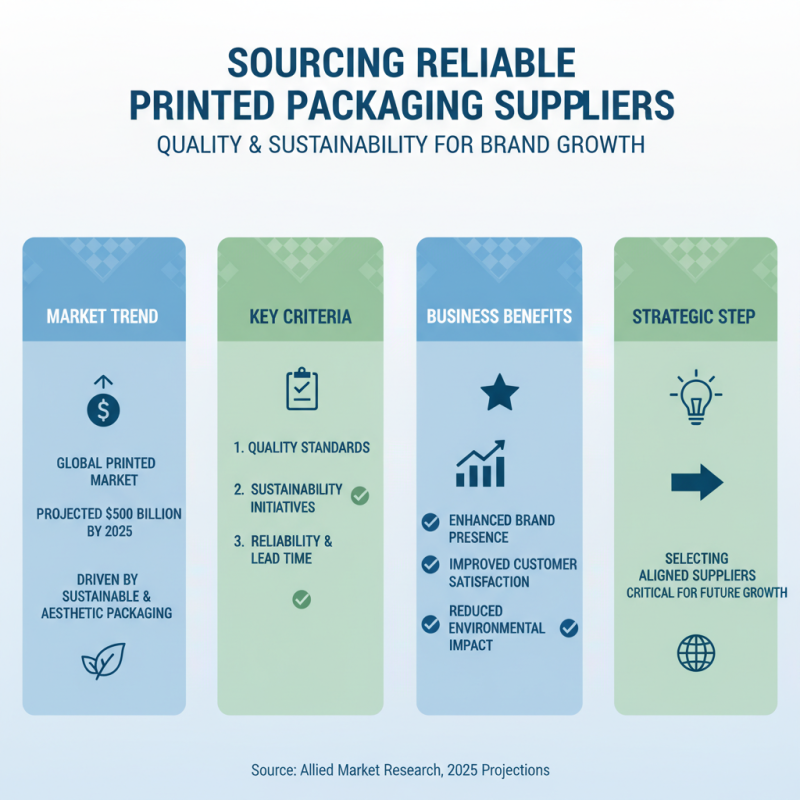
Sourcing reliable suppliers for quality printed packaging boxes is a critical step for businesses aiming to enhance their brand presence and customer satisfaction. According to a study by Allied Market Research, the global printed packaging market is projected to reach $500 billion by 2025, driven by the growing demand for sustainable and aesthetically appealing packaging solutions. This trend underscores the importance of selecting suppliers who not only meet quality standards but also align with your sustainability goals.
When evaluating potential suppliers, consider factors such as their production capabilities, material sourcing practices, and commitment to eco-friendly options. Research indicates that 79% of consumers are more likely to purchase from brands that are environmentally conscious. Therefore, partnering with suppliers who prioritize sustainable materials can give your business a competitive edge. Additionally, reviewing customer testimonials and case studies can provide insight into a supplier’s reliability and quality of service. Engaging with suppliers who showcase transparency in their operations fosters a trustworthy relationship that is essential for long-term success. Ultimately, a thoughtful selection process can lead to impactful packaging solutions that resonate with your target audience.
© 2007 - 2025 The Custom Packaging. All right reserved.