How to Ensure Quality in Book Printing Inspection?
In the realm of book production, "Book Printing Inspection" is crucial for ensuring that the final product meets quality standards. Expert John Sinclair, a veteran in the printing industry, emphasizes, "Every detail in book printing matters." His words highlight the importance of meticulous attention to detail during the inspection process.
Effective inspection not only identifies flaws but also enhances the overall quality of printed materials. It is essential to assess color fidelity, alignment, and paper quality, as these factors contribute to the reader's experience. However, quality control can be challenging. Sometimes, minor defects slip through the cracks, leading to dissatisfaction among publishers and readers alike.
Reflection on past projects reveals that even experienced printers can overlook vital aspects. Consistent training for inspection teams is necessary, yet often neglected. Balancing efficiency and thoroughness is a constant struggle. Hence, creating a culture of quality within the printing team is invaluable for achieving excellence in book printing.
Understanding the Importance of Quality in Book Printing
In the world of book printing, quality is paramount. Readers form their first impression from the physical book. A well-printed book speaks volumes about its content. Yet, ensuring high quality can be a complex task. Printers face multiple challenges that can affect the final product. Common issues include misalignment, color discrepancies, and paper defects. Each of these issues can detract from the reader's experience.
Quality inspection is vital throughout the printing process. It begins with selecting the right materials, from paper to ink. Regular checks during production help identify issues early. However, these checks are not foolproof. Some print defects only become visible after the book is finished. Addressing these imperfections is crucial. Often, it's a matter of refining processes and improving communication. Any quality lapse can lead to dissatisfaction among readers, impacting sales.
Investing in training and adopting advanced technologies can enhance quality control measures. However, it's not just about the tools. A culture of quality awareness among all staff plays a critical role. Mistakes should be viewed as learning opportunities. When defects occur, it's essential to analyze why they happened. Reflecting on these moments can lead to significant improvements in book printing quality over time.
How to Ensure Quality in Book Printing Inspection? - Understanding the Importance of Quality in Book Printing
| Quality Aspect | Importance | Inspection Method | Frequency of Inspection |
| Color Accuracy | Ensures brand consistency | Spectrophotometer Analysis | Every Batch |
| Print Clarity | Affects readability | Visual Inspection | Every 100 Copies |
| Binding Strength | Ensures durability | Tensile Testing | Before Shipping |
| Paper Quality | Enhances tactile experience | Grain Testing | Upon Arrival |
| Trim Size Accuracy | Maintains standard sizing | Measurement Tools | Every Batch |
Key Elements of the Book Printing Inspection Process
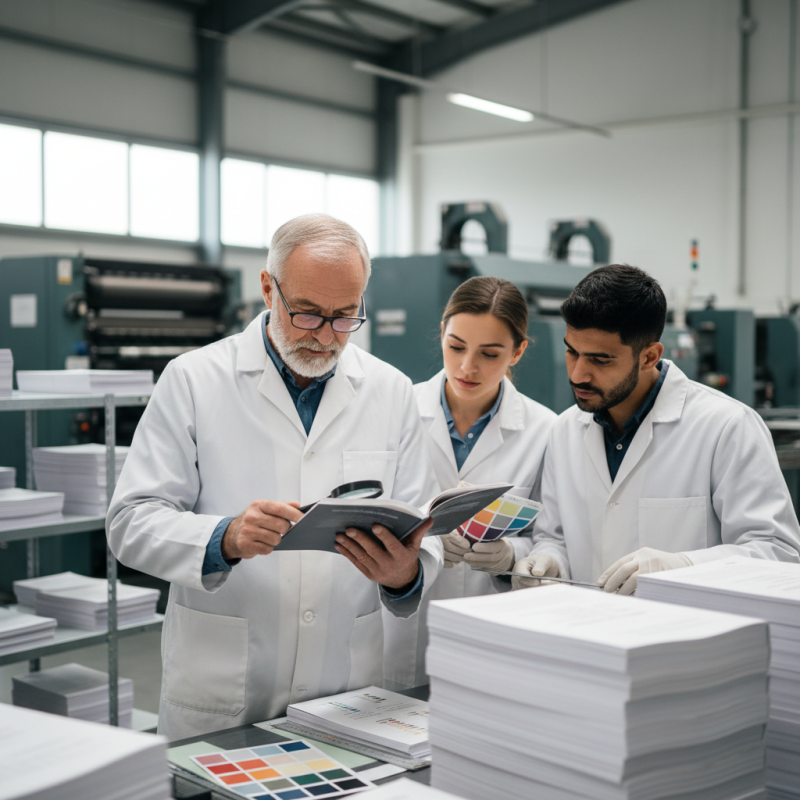
The book printing inspection process is crucial for ensuring quality. Several key elements contribute to a successful inspection. First, visual checks are essential. Inspectors should look for color consistency, alignment, and clarity of text. It's easy to overlook small errors, but they can impact the reader's experience.
Next, measurements matter. Checking dimensions of the printed material helps maintain uniformity across the batch. Variations in size can result in binding issues or poor readability. Using precise tools for measurements ensures accuracy. It's essential not to rush this step.
Lastly, quality control should include a review of binding and finishing techniques. Inspectors need to assess the sturdiness of the spine and the quality of the paper used. There can be imperfections, like misaligned pages or uneven cuts. A reflective approach can help identify these flaws early, leading to better outcomes. The goal is to create a product that meets expectations and builds trust with readers.
Common Defects to Look For During Book Printing Inspection
During book printing inspection, it's crucial to check for common defects. These issues can affect the final product's quality. Pay attention to printing misalignments. When pages are misaligned, it disrupts the flow of reading. This can be especially noticeable in images and text that should be centered or lined up perfectly.
Color variations can also be a problem. Printed colors may not match the intended design due to various factors, including ink quality and printer settings. Look for inconsistencies on each page. Check for streaks or spots that detract from the overall aesthetic.
Here are a couple of tips to enhance your inspection process:
For tight deadlines, set time aside for thorough checks. Rushing can lead to overlooked defects, so plan for this. Keep a checklist handy while inspecting. This ensures that you don’t miss important details and have structured feedback. Small slips can lead to significant rework later, so stay vigilant.
Best Practices for Ensuring Consistent Quality in Printing
Ensuring consistent quality in book printing requires adherence to best practices throughout the process. One major factor is precise color matching. According to a report by the Printing Industries of America, 70% of printers see color inconsistencies as a significant issue. Regular calibration of printing equipment helps maintain color fidelity. Regular checks can prevent costly reprints.
Another essential practice is quality control during each production phase. Implementing a systematic inspection schedule can identify potential faults in printing before they escalate. Research shows that 60% of defects occur during the finishing stage. Operators must be trained to identify issues like misalignment or ink smudging early, ensuring that quality is upheld despite the production pace.
Documentation is key. Keeping detailed records of each print run helps track quality trends over time. This allows for the identification of recurring problems while aiding in fostering improvement. However, many printers overlook this step, leading to inconsistencies across editions. Emphasizing quality documentation can greatly contribute to enhanced reproducibility in future projects, reflecting the pressing need for continuous improvement in the printing industry.
Quality Metrics in Book Printing Inspection
Implementing Effective Quality Control Measures in Book Production
Ensuring quality control in book production is crucial for maintaining high standards. Research shows that 30% of printing defects occur during the initial pre-production stage. Implementing strict quality assurance measures can significantly reduce these errors. Regular inspections and precise measurement tools can help identify issues early in the process. For instance, using light tables for color accuracy checks can reveal inconsistencies that might otherwise go unnoticed.
Moreover, training staff on quality protocols is equally important. Studies indicate that 70% of production defects stem from human error. Educated and aware employees can distinguish between acceptable and unacceptable standards. Setting clear guidelines and performance metrics drives accountability. An engaging training program can enhance skills and ensure that everyone understands their role in the quality control process.
Additionally, feedback loops are vital. Many companies overlook the importance of customer feedback. Implementing regular surveys can provide insight into potential printing flaws. This can serve as a guide for continuous improvement. However, many enterprises fail to act on the feedback received. Ignoring this crucial data often leads to repeated issues. Prioritizing responsiveness to feedback can help in refining production quality.

 Cosmetic Packaging
 Display Packaging
 CBD Packaging
 Retail Packaging
 Product Packaging
 Cigarette Packaging
 Candle Packaging
 Soap Packaging
 Chocolate Packaging
 Vape Packaging
 Food Packaging
 Window Packaging Boxes
 Gift Packaging
 Bakery Packaging Boxes
 Pizza Packaging
 Bottle Packaging
 Garments Packaging
 Custom Printed Bags
 Christmas Packaging
 Toy Packaging
 Cereal Packaging
 Jewelry Packaging
 Apparel Packaging
 Shipping Packaging
 Custom Pre Roll Boxes
 Dispenser packaging
 Eco Friendly Packaging
 Custom Health Packaging
 Pharmaceutical Packaging