
Cosmetic Packaging
Display Packaging
CBD Packaging
Retail Packaging
Product Packaging
Cigarette Packaging
Candle Packaging
Soap Packaging
Chocolate Packaging
Vape Packaging
Food Packaging
Gift Packaging
Bakery Packaging Boxes
Pizza Packaging
Bottle Packaging
Garments Packaging
Custom Printed Bags
Christmas Packaging
Toy Packaging
Cereal Packaging
Jewelry Packaging
Apparel Packaging
Shipping Packaging
Custom Pre Roll Boxes
Dispenser packaging
Eco Friendly Packaging
Custom Health Packaging
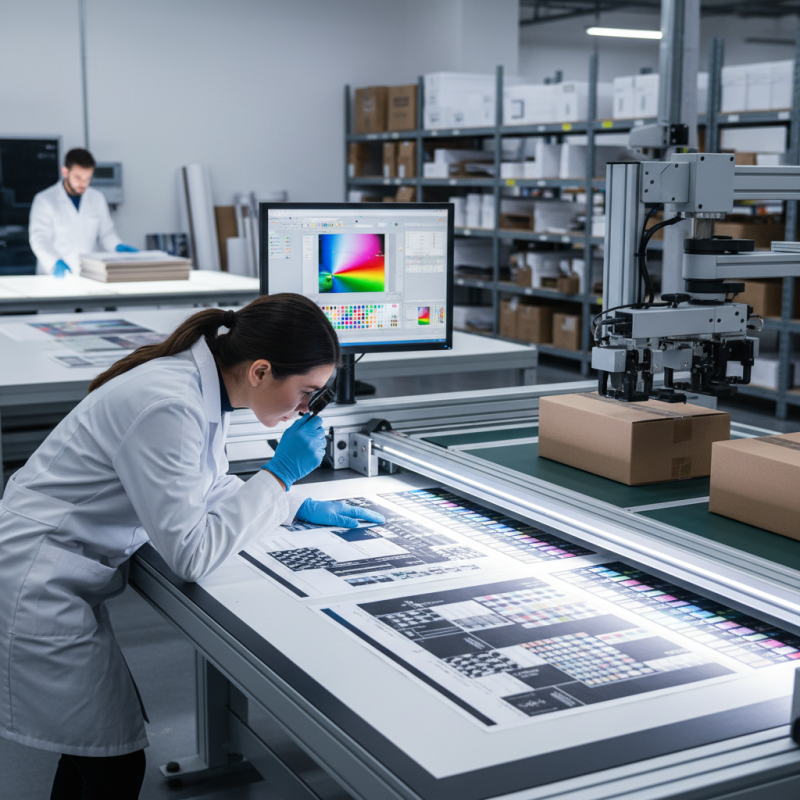
Pharmaceutical PackagingPrint Inspection is a crucial aspect of quality control in the printing industry. Effective inspection methods can prevent costly errors and ensure high standards. During the print inspection process, various factors must be considered. These include color accuracy, alignment, and print consistency.
Visual checks are a common practice but may overlook subtle flaws. Many operators rely solely on their eyes, which can lead to mistakes. Using technology, like automated inspection systems, can enhance accuracy. However, such systems also have limitations. They may miss context-related issues that human inspectors would catch.
Training staff in identification techniques is also essential. A well-informed team is less likely to overlook defects. Regular reviews of inspection processes encourage reflection and improvement. Incorporating feedback loops can further refine print inspection methods. Ultimately, a balanced approach combining human skill and technology is key to effective quality control in printing.
Print inspection is a critical aspect of quality control in many industries. Studies show that 70% of print defects can be identified early through consistent inspection practices. The scrutiny not only helps in detecting errors but also reduces waste and costs associated with reprints. High-quality prints can elevate a brand's reputation, while poor quality can lead to significant losses.
Effective print inspection involves multiple stages. Each print run should be monitored closely. Utilizing tools like spectrophotometers can provide precise color matching. However, human oversight is equally important. Inspectors must be trained to recognize subtle flaws that machines might miss. Reports indicate that nearly 30% of printing errors are due to human oversight. This gap highlights the need for continuous training and evaluation of the inspection process.
In many cases, companies may underestimate the potential impact of print defects. A survey revealed that over 40% of customers would not buy a product with noticeable print flaws. This statistic starkly underlines the importance of print inspection. Neglecting this vital aspect can lead to diminished customer trust. Investing time and resources into effective print inspection can be the deciding factor between success and failure in the marketplace.
Effective print inspection is crucial for maintaining quality control. Several key factors significantly impact the inspection process. One such factor is the accuracy of color matching. Studies show that about 30% of print defects stem from color discrepancies. Using color measurement tools can identify these issues early, ensuring consistency across print runs. Regular calibration of these tools is essential. Neglecting this may lead to significant quality variances.
Another factor is the inspection technology utilized. Advanced methods such as digital imaging can detect defects as small as 0.1 mm. Implementing automated inspection systems reduces human error. However, it is important to train staff to interpret the data generated effectively. A report by industry experts indicates that companies using automated systems report a 20% reduction in defects.
Training and awareness among team members also play a vital role. Employees must understand the common issues that can arise during printing. A survey revealed that nearly 50% of operators overlooked minor defects due to lack of training. Regular workshops can bridge this knowledge gap. Engaging workers in the inspection process can promote a culture of quality. Errors may go unnoticed without constant vigilance and a proactive approach.
| Inspection Criteria | Importance Level | Standard Tolerance | Frequency of Inspection |
|---|---|---|---|
| Color Accuracy | High | ± 1% | Every batch |
| Print Clarity | Medium | No blurring | Every 500 units |
| Registration Accuracy | High | ± 0.5 mm | At every setup |
| Ink Density | High | ± 5% | Every hour |
| Surface Quality | Medium | No scratches | Every 1000 units |
| Final Packaging | High | No damages | Every shipment |
Print inspections are crucial for maintaining quality control in the printing industry. A systematic approach enhances the detection of defects. Begin by examining the print samples under controlled lighting. This method ensures visibility of potential flaws. A recent industry report indicated that 30% of printed materials contained at least one defect, stressing the importance of thorough inspections.
Next, assess color consistency throughout the print run. Utilize tools like spectrophotometers for accurate measurements. This step helps identify discrepancies that may affect brand representation. Oftentimes, printers report color variations that exceed acceptable limits. According to another study, 22% of brand managers stated that inconsistent colors negatively impacted their branding efforts. Regularly recalibrating equipment can help mitigate these issues.
Finally, document your findings meticulously. Record both successful prints and those that require correction. This information is invaluable for future projects. However, note that documentation processes can sometimes be overlooked. Neglecting this aspect may lead to repeated mistakes. Establishing a robust feedback loop with the production team can drive quality improvements and minimize errors over time.
Print inspection is a critical part of quality control. The right tools and technology can significantly enhance inspection accuracy. Recent industry reports indicate over 30% of printing errors go undetected without proper inspection systems. This can lead to costly reprints and damage to brand reputation.
Automated inspection systems have transformed the print industry. These tools utilize advanced imaging technology to detect defects quickly and effectively. For instance, a study found that automated systems can detect imperfections at a rate of 99.5% accuracy compared to manual checks, which often miss subtle flaws. However, relying solely on automation isn't enough. Human oversight remains vital. Mistakes can slip through the cracks due to technology limitations.
Moreover, integrating real-time data analytics into the inspection process can provide deeper insights. Many companies report that they realize a 20% reduction in waste when incorporating this technology. Yet, some operators still resist change. Training staff to adapt to new systems is essential but often overlooked. Regular audits and feedback loops can help refine processes. Embracing imperfections in current practices can lead to significant improvements in print quality control.
Print inspection is crucial for maintaining product quality. However, many industries face common challenges in this area. According to a recent industry report, around 30% of print defects go unnoticed in the production process. This oversight can result in significant financial losses. Therefore, implementing effective inspection strategies is vital.
One challenge is the inconsistency of human inspection. Human eyes can miss subtle defects. A study revealed that automated inspection systems can increase detection rates by over 50%. These systems utilize advanced algorithms to analyze print quality, ensuring fewer errors. However, the initial setup cost can be high, leading some companies to hesitate.
Another hurdle is varying print substrates. Different materials react differently during production. A report highlights that 40% of printers face issues related to varying substrate qualities. To address this, companies can invest in training for their staff. Providing detailed guidelines ensures consistent inspection regardless of the material used. Additionally, regular calibration of inspection machines can help maintain accuracy across different substrates.
© 2007 - 2025 The Custom Packaging. All right reserved.