Eco Friendly Pharmaceutical Packaging at China Import Export Fair?
Eco Friendly Pharmaceutical Packaging is a crucial topic in today's global market. As sustainability becomes increasingly significant, pharmaceutical companies are searching for innovative solutions. According to a recent report by Smithers Pira, the market for sustainable packaging is projected to grow at a CAGR of 8.7%, reaching $475 billion by 2028. This growth indicates a clear shift towards eco-friendly materials.
Dr. Jane Thompson, an expert in sustainable packaging, emphasizes its importance: "Choosing Eco Friendly Pharmaceutical Packaging is not just an option; it is a necessity for our planet's future." The demand is driven by consumer awareness and regulatory pressure. Many companies are now prioritizing biodegradable materials and recyclable designs. The challenge lies in balancing sustainability with product safety and efficacy.
Despite the positive trends, there are areas for improvement. Some manufacturers still rely on traditional packaging, raising concerns over environmental impact. Education and commitment to innovation will be key in bridging this gap. The upcoming China Import Export Fair will showcase advancements in this area, highlighting the importance of adoption for a greener future.
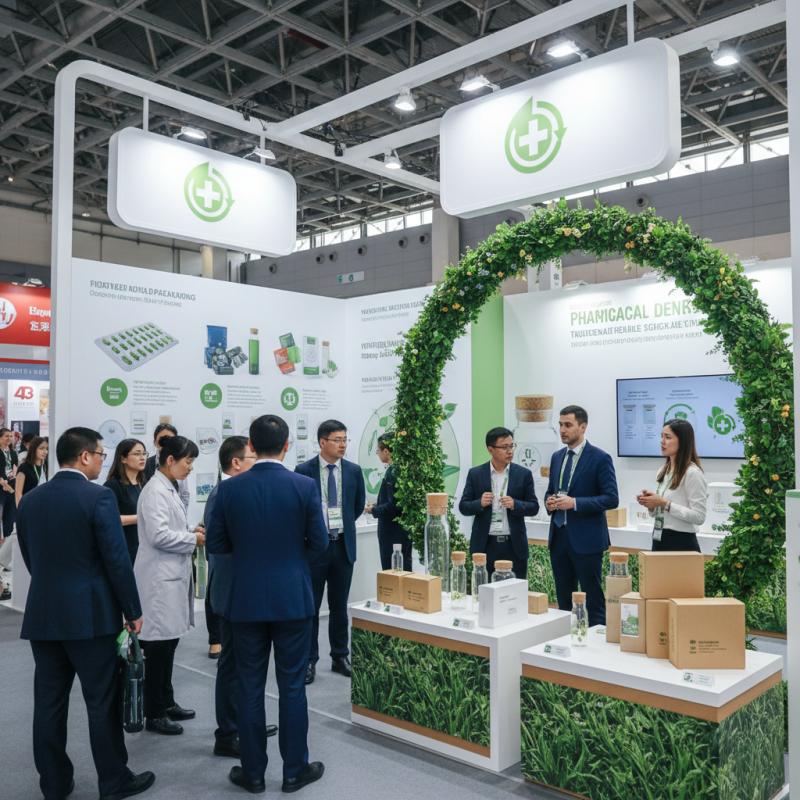
Eco-Friendly Packaging Solutions in the Pharmaceutical Industry
The shift towards eco-friendly packaging solutions in the pharmaceutical industry is gaining momentum. Research shows that around 60% of consumers are more likely to choose products with sustainable packaging. This demand is pushing companies to rethink their strategies. More often, they are chasing innovations in materials to reduce plastic waste.
Recent studies indicate that the pharmaceutical sector generates over 1.8 million tons of packaging waste annually. This statistic underscores the urgent need for improvement. Biodegradable and recyclable materials, such as plant-based plastics and recycled paper, are becoming more popular. Yet, implementation remains inconsistent. The industry faces challenges in balancing safety, efficacy, and sustainability.
Moreover, many manufacturers do not yet prioritize eco-friendly options. This could be due to higher costs or lack of awareness. It’s essential for industry stakeholders to collaborate on developing viable solutions. Re-evaluating traditional practices may lead to more sustainable outcomes. The call for eco-friendly packaging is clear. Brands must reflect on their roles in this vital change.
Importance of Sustainable Practices in Pharmaceutical Packaging
Sustainable practices in pharmaceutical packaging have become increasingly vital. The industry faces growing pressure to reduce waste. Eco-friendly packaging can minimize the environmental footprint. Companies should focus on biodegradable materials. This shift supports a healthier planet.
Tips: Consider using recycled materials. It’s a simple change with significant impact. Evaluate the entire supply chain for efficiency. Small adjustments can lead to vast improvements.
The challenge lies in balancing function and sustainability. Some materials are not easily replaced. While eco-friendly options might be more expensive, long-term benefits are clear. Customers value commitment to sustainability.
Investing in research can lead to better materials. Collaboration with innovators may uncover new solutions. Adopting these practices is not just beneficial; it’s essential for the future.
Eco Friendly Pharmaceutical Packaging at China Import Export Fair? - Importance of Sustainable Practices in Pharmaceutical Packaging
| Dimension | Details | Benefits | Examples |
| Biodegradable Materials | Use of plant-based plastics and materials that decompose naturally | Reduces landfill waste and environmental impact | Corn starch packaging, mushroom packaging |
| Recyclable Packaging | Designing packages that can be easily recycled post-use | Encourages recycling and resource conservation | Glass bottles, cardboard boxes |
| Minimalist Packaging | Reducing excess packaging materials for efficiency | Less material used leads to decreased production waste | Blister packs with reduced plastic, single-layer packaging |
| Sustainable Sourcing | Using materials sourced from sustainable suppliers | Supports eco-friendly practices throughout the supply chain | Recycled paper, eco-certified materials |
| Innovative Design | Creating new packaging designs that enhance usability while reducing waste | Improves customer experience and reduces material usage | Smart packaging that provides dosage reminders |
Innovative Materials for Eco-Friendly Pharmaceutical Packaging
The demand for sustainable packaging options is growing rapidly. The China Import Export Fair is spotlighting eco-friendly pharmaceutical packaging. Innovative materials are pushing boundaries in this field. Biodegradable plastics and recycled paper are just a few examples. These alternatives can significantly reduce environmental impact.
However, challenges remain. Many eco-friendly materials still lack durability. They may not protect products as well as traditional options. Companies must balance sustainability and functionality. It's crucial to find materials that ensure safety while being environmentally conscious. Furthermore, there is a cost concern. Sustainable materials can sometimes be pricier, making them less appealing for small businesses.
Many industries are looking for solutions. Collaboration with material scientists might yield new innovations. Research into plant-based polymers is promising but in its early stages. Testing these materials is essential to determine their efficacy in the pharmaceutical sector. The journey toward fully sustainable packaging is ongoing. But, each step taken is significant for the planet.
Regulatory Trends Impacting Eco-Friendly Packaging in China
The regulatory landscape for eco-friendly pharmaceutical packaging in China is evolving rapidly. Recent reports indicate that approximately 72% of consumers prioritize sustainability in their purchasing decisions. This pressure drives pharmaceutical companies to adopt more eco-conscious practices. Policies issued by the Ministry of Ecology and Environment aim to reduce plastic waste and promote biodegradable materials. These regulations are reshaping how packaging is designed and produced.
China's commitment to sustainability is evident with its pledge to peak carbon emissions by 2030. However, challenges remain. Many companies struggle to meet the stringent standards set by authorities. Adoption of eco-friendly materials is not uniform across the industry. Some pharmaceutical firms are hesitant to invest due to higher costs. The current market shows that only 30% of packaging is deemed sustainable.
Consumer awareness also plays a key role. An increasing number of patients are concerned about environmental impacts. Yet, only 40% of them are aware of eco-friendly options available in the market. It suggests a gap between consumer desire and available solutions. Companies must bridge this gap to satisfy regulatory requirements and market demand for greener options.
Challenges and Opportunities in Implementing Green Packaging Solutions
As the focus on eco-friendly practices grows, pharmaceutical packaging faces unique challenges. The shift to sustainable materials is often hindered by regulatory requirements. Many companies struggle to balance protection and environmental responsibility. Recycling is complicated by mixed materials found in traditional packaging.
Implementing green packaging solutions can lead to innovation. New biodegradable materials are emerging, offering exciting possibilities. However, they may not yet meet all safety standards. Companies must rethink their sourcing and production processes. This can lead to unexpected costs and delays.
Tips: Focus on local suppliers for sustainable raw materials. This can reduce carbon footprint and foster community support. Consider consumer education about the benefits of green packaging. Engaging with customers can bolster trusting relationships. Always test new materials thoroughly before widespread adoption. This helps in avoiding future complications or recalls.

 Cosmetic Packaging
 Display Packaging
 CBD Packaging
 Retail Packaging
 Product Packaging
 Cigarette Packaging
 Candle Packaging
 Soap Packaging
 Chocolate Packaging
 Vape Packaging
 Food Packaging
 Window Packaging Boxes
 Gift Packaging
 Bakery Packaging Boxes
 Pizza Packaging
 Bottle Packaging
 Garments Packaging
 Custom Printed Bags
 Christmas Packaging
 Toy Packaging
 Cereal Packaging
 Jewelry Packaging
 Apparel Packaging
 Shipping Packaging
 Custom Pre Roll Boxes
 Dispenser packaging
 Eco Friendly Packaging
 Custom Health Packaging
 Pharmaceutical Packaging