2026 How to Design Effective Logo Boxes for Your Brand Identity?
In the competitive world of branding, logo boxes play a crucial role in shaping brand identity. These boxes are more than just packaging; they deliver a first impression. A well-designed logo box can enhance a customer's perception of your brand, while a poorly designed one may leave them confused.
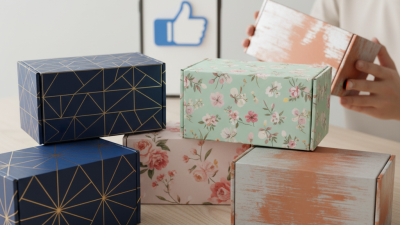
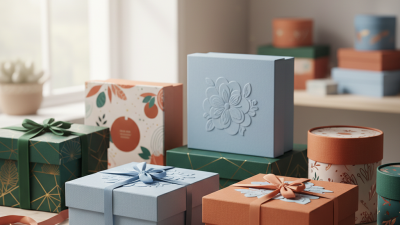
Creating effective logo boxes requires careful thought and creativity. The colors, shapes, and materials chosen must resonate with the core values of your brand. For instance, a sleek, minimalist box may convey sophistication, while a vibrant, playful design could reflect a fun, youthful spirit. It's vital to consider what message your logo box sends to potential customers.
However, challenges often arise in this process. Sometimes, brands may stray too far from their identity, leading to disconnection. It’s important to reflect on your brand's essence when designing logo boxes. Ensuring consistency between your logo box and overall branding is key to building a strong identity. Embrace the imperfections and learn from the feedback to create something truly unique.
Understanding the Importance of Logo Boxes in Brand Identity
Logo boxes play a crucial role in shaping brand identity. They serve as visual containers that house your logo, providing a defined space for it to stand out. An effective logo box can enhance visibility and recognition. It creates boundaries that separate your brand from competitors, making your logo more memorable. The colors, shapes, and sizes used in these boxes must align with your overall branding strategy.
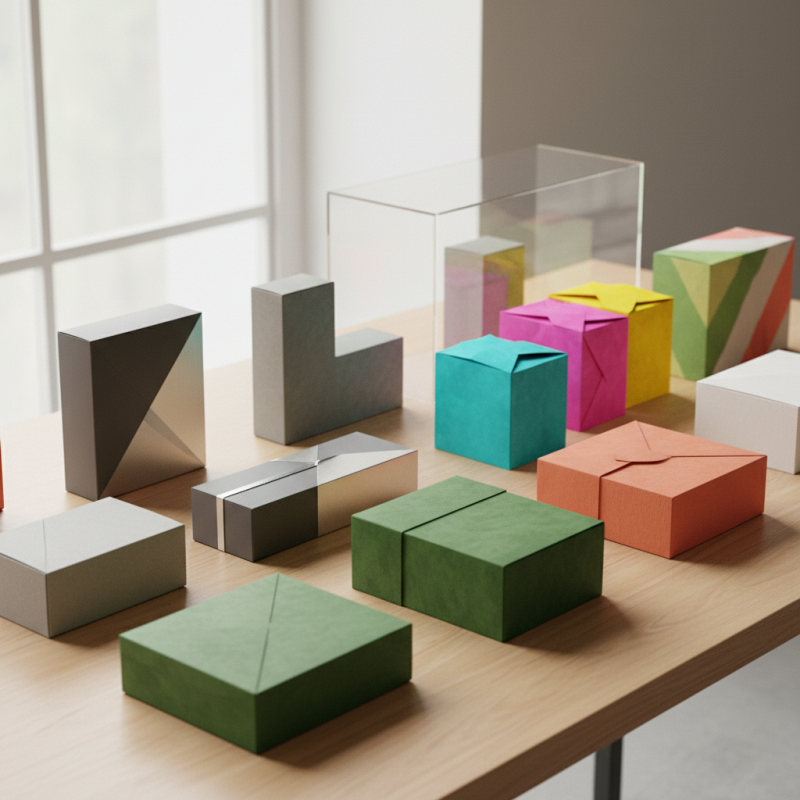
Consider the impact of design choices on consumer perception. A well-designed logo box can evoke emotions and convey messages. It should resonate with your target audience. Experimenting with different styles may lead to unexpected discoveries. However, clarity must remain a priority. An overly ornate design can detract from the logo itself. Aim for a balance between creativity and simplicity.
Reflecting on the effectiveness of your logo box is vital. Seek feedback from peers and potential customers. Sometimes, what seems appealing can fall flat in execution. Don't be afraid to rethink and revise your approach. An adaptive strategy can lead to a logo box that truly encapsulates your brand’s essence. As you refine your design, keep in mind that effective branding is an ongoing process.
Key Elements of Effective Logo Box Design
When designing effective logo boxes, consider the key elements that make them stand out. A logo box should reflect your brand's identity clearly. Choose colors that resonate with your audience. Vibrant colors attract attention but can overwhelm if overused. Balance is crucial.
Typography plays a vital role in logo box design. Select fonts that are readable and align with your brand voice. A bold font can convey strength, while a script font may suggest elegance. Ensure the text is legible at various sizes. Clarity is essential for brand recognition.
Imagery within the logo box should be thoughtful. Use graphics that relate to your mission. Avoid cluttering the design with too many elements. A minimalist approach often works best. A few strong visuals can make a lasting impression. Design iterations may lead to better results. Don’t shy away from seeking feedback and making adjustments.
2026 How to Design Effective Logo Boxes for Your Brand Identity? - Key Elements of Effective Logo Box Design
| Element |
Description |
Importance |
| Color Scheme |
The colors used must reflect the brand's identity and evoke the right emotions. |
High |
| Typography |
Fonts should be legible and align with the brand’s voice and personality. |
Medium |
| Shape |
The overall shape of the logo box should be simple and memorable. |
High |
| Imagery |
Any images used should enhance the brand story without overcrowding the design. |
Medium |
| Versatility |
The design should be adaptable for various mediums and sizes, ensuring clear visibility. |
High |
Choosing Colors and Fonts for Logo Boxes
Choosing the right colors and fonts for logo boxes is crucial for brand identity. Colors evoke emotions and drive perception. Bright reds can signify energy, while soft blues suggest calmness. Picking the wrong color can confuse your audience. Test different palettes to see which resonates most.
Fonts also play a significant role. A bold, modern font can convey strength, while a handwritten style may imply creativity. However, over-stylized fonts can harm readability. Strive for balance in your choices. Sometimes, less is more.
Remember, creating a logo box isn't just about aesthetics. It's about capturing your brand's essence. Analyze feedback from your target audience. Identify what works and what doesn’t. Refinement leads to a stronger identity. Keep iterating until it feels right.
Incorporating Brand Values into Logo Box Design
Designing logo boxes that resonate with brand values requires thoughtful consideration. Every element matters. Colors should reflect the brand’s essence. For instance, earthy tones may symbolize sustainability. Each font choice communicates personality. Bold letters can convey strength, while script can suggest elegance.
Incorporating brand values is not always straightforward. Sometimes, the design might miss the mark. A logo box that looks appealing may not represent what the brand stands for. Feedback can be invaluable. Asking team members for their insights can reveal blind spots. After all, a design that seems perfect to one person might not resonate with another.
Imagery plays a crucial role in visual storytelling. Choose symbols carefully. An abstract icon may confuse some consumers. Clarity is essential, but it’s also okay to embrace imperfection. Sometimes, the unique touch is what makes a logo box memorable. Remember, design is a journey, not a destination, and reflection is key to growth.
Testing and Iterating Your Logo Box for Maximum Impact
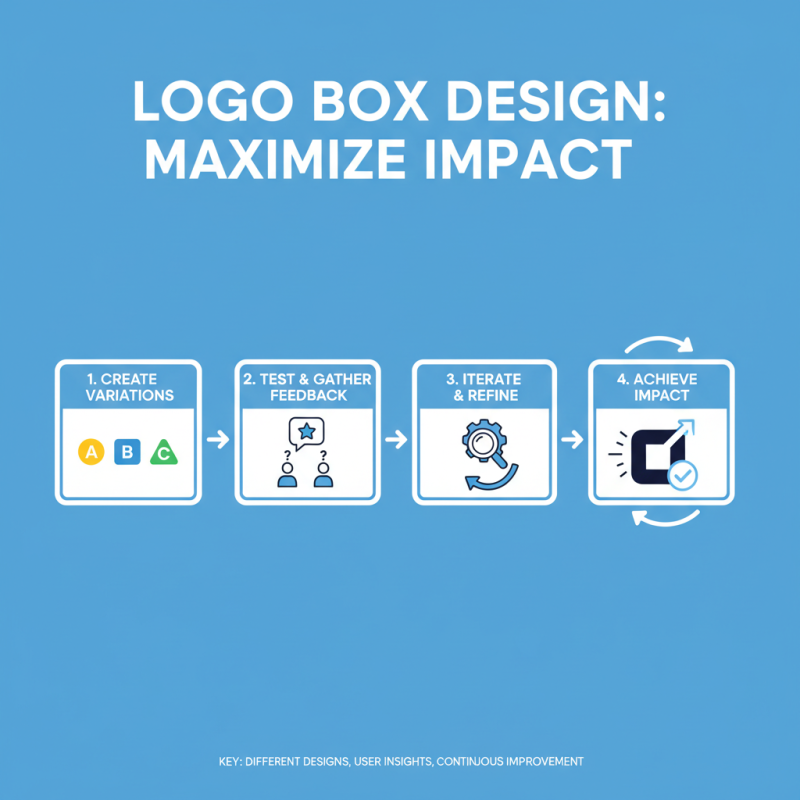
When designing logo boxes, testing and iterating are critical for achieving maximum impact. Start by creating a few variations. Use different colors, shapes, and typography. Gather feedback from potential users. This step is essential. You might discover that your favorite design doesn’t resonate with your audience.
After collecting feedback, analyze the insights. Which designs elicited strong reactions? Pay attention to unexpected critiques. Sometimes, what seems obvious to you may not be clear to others. Be open to making changes. It’s a process of refinement.
Consider A/B testing your designs. Present two versions to your audience and gauge their responses. This hands-on approach can reveal which elements are effective. Don’t be discouraged by poor initial results; they guide you toward improvement. Each iteration brings you closer to a logo box that effectively represents your brand and connects with your audience.

 Cosmetic Packaging
 Display Packaging
 CBD Packaging
 Retail Packaging
 Product Packaging
 Cigarette Packaging
 Candle Packaging
 Soap Packaging
 Chocolate Packaging
 Vape Packaging
 Food Packaging
 Window Packaging Boxes
 Gift Packaging
 Bakery Packaging Boxes
 Pizza Packaging
 Bottle Packaging
 Garments Packaging
 Custom Printed Bags
 Christmas Packaging
 Toy Packaging
 Cereal Packaging
 Jewelry Packaging
 Apparel Packaging
 Shipping Packaging
 Custom Pre Roll Boxes
 Dispenser packaging
 Eco Friendly Packaging
 Custom Health Packaging
 Pharmaceutical Packaging