
Cosmetic Packaging
Display Packaging
CBD Packaging
Retail Packaging
Product Packaging
Cigarette Packaging
Candle Packaging
Soap Packaging
Chocolate Packaging
Vape Packaging
Food Packaging
Gift Packaging
Bakery Packaging Boxes
Pizza Packaging
Bottle Packaging
Garments Packaging
Custom Printed Bags
Christmas Packaging
Toy Packaging
Cereal Packaging
Jewelry Packaging
Apparel Packaging
Shipping Packaging
Custom Pre Roll Boxes
Dispenser packaging
Eco Friendly Packaging
Custom Health Packaging
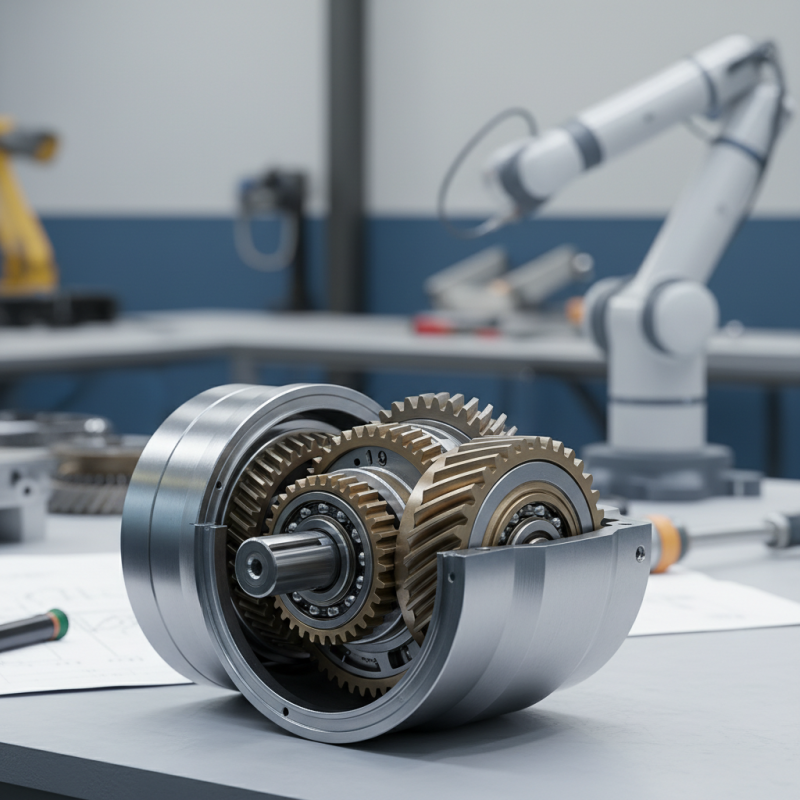
Pharmaceutical PackagingCylindrical Gearboxes are vital components in various mechanical systems. They efficiently transmit power and torque between shafts. Industries rely on them for precision and durability.
Understanding the structure and operation of a cylindrical gearbox is crucial. Their design ensures low noise levels and high efficiency. Key applications include robotics, automotive systems, and conveyor belts. These gearboxes enhance performance in demanding environments.
However, not all cylindrical gearboxes are created equal. Variations in design can lead to performance discrepancies. It’s essential to assess specific needs before selection. With careful consideration, cylindrical gearboxes can significantly improve operational efficiency and reliability.
A cylindrical gearbox is a crucial component in mechanical systems. It efficiently transfers power between rotating shafts through a series of cylindrical gears. This design allows for high torque transmission and compact size. The gearbox can be customized for various applications, such as conveyors, automotive drives, and industrial machinery.
Cylindrical gearboxes offer features like low noise levels and durability. They are often preferred for applications where space is limited. The arrangement of the gears helps maintain alignment, reducing wear over time. Maintenance is essential; insufficient lubrication can lead to increased friction and wear.
Tips for selecting a cylindrical gearbox include assessing load requirements and speed specifications. Ensure the gearbox can handle the expected load. Also, consider the environment where it will operate. A gearbox exposed to dirt or moisture may need special sealing or protective coatings. Regular inspections can help catch issues early and improve longevity. These steps can enhance performance and reliability over time.
Cylindrical gearboxes are vital components in mechanical systems, widely used in industries like automotive, aerospace, and manufacturing. These gearboxes convert input torque and speed into output torque and speed. They have a variety of designs, each suited for different applications.
The most common types of cylindrical gearboxes include spur gears, helical gears, and bevel gears. Spur gears are straightforward, with teeth that are parallel to the gearbox axis, ideal for high-speed applications. Helical gears, on the other hand, feature angled teeth that allow for smoother engagement. According to a report from Grand View Research, the global market for helical gearboxes was expected to reach over $10 billion by 2025, highlighting their growing importance. Bevel gears, while less common, enable the transfer of power between non-parallel shafts.
Design features of cylindrical gearboxes play a critical role in their efficiency. For instance, precision manufacturing techniques can minimize friction and wear. However, many designs struggle with efficiency losses due to heat generation and misalignment issues. This can lead to potential failures, stressing the importance of regular maintenance. Reports indicate that about 30% of gearbox failures are due to inadequate lubrication and alignment errors. Awareness of such issues is essential for optimal performance in various industrial applications.
Cylindrical gearboxes are widely utilized across various industries due to their efficiency and versatility. In manufacturing, they provide reliable torque transmission for conveyor belts, ensuring smooth material handling. These gearboxes are vital in applications like assembly lines where precision and consistency are crucial.
In the automotive industry, cylindrical gearboxes play an essential role in power transmission systems. They help in transferring engine power to the wheels, enhancing vehicle performance. Additionally, they are often employed in electric vehicles, contributing to energy efficiency and reduced wear.
Another notable application is in renewable energy, particularly wind turbines. Here, cylindrical gearboxes convert the rotational energy of turbine blades into usable electrical energy. This process is crucial for optimizing performance and longevity. However, maintenance can be challenging, often leading to unexpected downtimes. Such issues highlight the importance of regular checks and expertise in gearbox management.
| Industry | Common Applications | Benefits of Using Cylindrical Gearboxes |
|---|---|---|
| Manufacturing | Conveyor systems, CNC machines | High efficiency, precision control |
| Automotive | Electric vehicles, automatic transmissions | Compact design, high torque output |
| Aerospace | Actuators, landing gear systems | Lightweight, reliability |
| Construction | Cranes, excavators | Robustness, high-load capacity |
| Energy | Wind turbines, hydroelectric power plants | Durability, efficiency in torque conversion |
Cylindrical gearboxes are widely recognized for their efficiency and reliability in various mechanical applications. One of their main advantages is the smooth transfer of power. They operate with minimal vibration, which enhances longevity. This characteristic makes them suitable for high-precision tasks in industries such as manufacturing and robotics.
Moreover, cylindrical gearboxes offer a compact design. This feature allows them to fit into tight spaces without sacrificing performance. Their ability to handle high torque loads is another significant benefit. Compared to other gear types, their construction minimizes wear and tear. This durability means less frequent maintenance and lower operational costs.
However, they are not without challenges. Manufacturing precision is crucial; even small errors can lead to inefficiencies. Additionally, users must consider the specific application. A mismatch in design may lead to suboptimal performance. Understanding these factors is essential for effective use.
Cylindrical gearboxes play a crucial role in various industries, from manufacturing to robotics. Regular maintenance is essential for their optimal performance. Studies show that routine checks can prevent 70% of unexpected failures. This highlights the importance of adhering to maintenance schedules. Implementing preventive measures minimizes downtime and enhances efficiency.
Lubrication is a key factor in maintaining cylindrical gearboxes. The right lubricant reduces friction, which can prolong the gearbox's life. Inadequate lubrication can lead to increased wear and tear. Research indicates that nearly 40% of gearbox failures are due to poor lubrication practices. Users should ensure proper lubricant levels and consider environmental conditions that may affect performance.
Monitoring operating conditions is fundamental for effective maintenance. Temperature, load, and vibration levels should be routinely assessed. Deviations from normal ranges can signal underlying issues. A proactive approach allows for early intervention. Ignoring such signs can lead to costly repairs. In conclusion, understanding maintenance and its implications is vital for the longevity of cylindrical gearboxes. Prioritizing these practices ultimately contributes to more reliable operations.
© 2007 - 2025 The Custom Packaging. All right reserved.