How to Choose the Best Air Muffler Silencer for Your Needs?
Choosing the right Air Muffler Silencer can greatly impact performance and comfort. It's essential to consider various factors. Your unique needs will determine the best option.
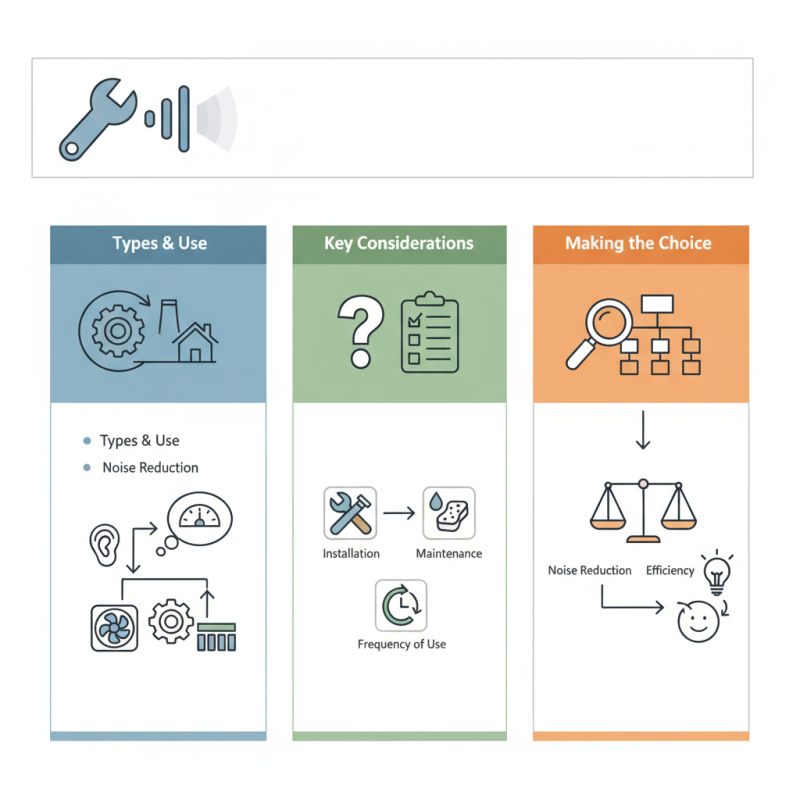
Different types of Air Muffler Silencers exist. Each design serves a specific purpose. For example, some are better for noise reduction, while others focus on efficiency. You should understand your environment. Will you use it for industrial work or home projects?
Finding the right fit involves more than just noise levels. Sometimes, users overlook installation requirements. Others might forget about maintenance. It's important to evaluate all aspects. Reflect on how often you'll need it. The choices can feel overwhelming, but taking the time to research is vital.
Understanding Air Mufflers: Types and Their Applications
Air mufflers come in various types, each designed for specific applications. They effectively reduce noise in pneumatic systems, ensuring a quieter work environment. Understanding the types is crucial for making informed decisions. Some common types include inline mufflers and silencer kits.
Inline mufflers are compact and designed for direct attachment to air tools. They are effective for small equipment, but their capacity may limit larger machinery.
Silencer kits, on the other hand, often include multiple components to handle higher noise levels. However, installation can be complex, potentially requiring professional help.
The material used in air mufflers also plays a role in their effectiveness. Metal options tend to be more durable, while plastic versions are lighter. However, plastic may not withstand high-pressure applications as well. Consider the environment where the muffler will be used. Factors like temperature and humidity can affect performance. Make sure to weigh these details against your needs.
Key Factors to Consider When Selecting an Air Muffler Silencer
When selecting an air muffler silencer, several key factors influence your choice. Noise reduction capability is crucial. You want a silencer that significantly lowers unwanted sounds. Test different models if possible. The decibel rating indicates its effectiveness. However, remember ratings can be misleading due to varying conditions.
Material matters too. Most silencers use stainless steel or aluminum. Stainless steel tends to be more durable, while aluminum is lighter. Consider where you will use it. A heavy model may not be practical for portable applications. Fit and compatibility are essential. Your silencer should match the specific equipment you have. Measure before purchasing, but sometimes that’s overlooked.
Lastly, consider installation ease. Some silencers require complex setups. If you're not handy, this could be a challenge. Read reviews but be cautious; not all feedback reflects true performance. Ideally, choose a silencer that balances noise control with practical considerations. Your needs might change, and you may rethink your choice down the line.
How to Choose the Best Air Muffler Silencer for Your Needs?
| Factor | Description | Importance Level |
| Sound Attenuation | Measures the amount of noise reduction provided by the muffler. | High |
| Material | Type of material used affects durability and performance. | Medium |
| Size and Fit | Correct sizing ensures proper installation and optimal performance. | High |
| Maintenance Requirements | How often it needs to be serviced or cleaned. | Medium |
| Cost | Overall price can impact the choice based on budget. | High |
| Installation Type | Ease of installation (bolt-on, weld-on) can affect decision. | Low |
Noise Reduction Ratings: Importance and Measurement Explained
When considering noise reduction ratings for air mufflers, it's essential to understand how they are measured. Noise Reduction Rating (NRR) is a standardized way to quantify sound attenuation. Typically, it ranges between 0 and 30 decibels. A higher NRR means better noise reduction. This rating helps to determine if a product suits your needs.
Testing methods for NRR include using sound levels in controlled environments. The effectiveness of a muffler can vary based on noise frequency. Sometimes, a product with a high NRR may not perform well in practical scenarios. Real-world factors, such as installation and environmental conditions, can impact effectiveness.
While looking at these ratings, ensure to consider your specific needs. Personal requirements vary significantly. Some users focus on comfort, while others prioritize performance. You may find that the ideal choice isn't always the one with the highest NRR. It's critical to balance effective noise reduction with practical usability. Remember, not every product will meet all expectations perfectly.
Material Comparisons: How They Affect Performance and Durability
Choosing the right air muffler silencer can heavily depend on the materials used in its construction. Stainless steel is popular for its durability and resistance to corrosion. Studies indicate that stainless steel mufflers can last up to 25% longer than those made from other materials like fiberglass. However, fiberglass offers excellent sound absorption qualities. This material can reduce noise levels significantly, making it a good choice for residential areas.
Aluminum is another option, lightweight yet less durable. Reports show aluminum mufflers can degrade quicker under high temperatures. If you're looking for performance, consider the trade-offs. Resin-infused composites are emerging as alternatives. These materials can balance weight, noise reduction, and durability, but they might not be as robust as metal options. Each material has strengths and weaknesses, and your needs dictate the best choice.
Expect to see wear and tear based on usage. A durable silencer might cost more upfront but save you money in the long run. Interestingly, some users report discrepancies in noise reduction effectiveness, depending on installation quality. Reflect on these factors as you evaluate performance versus durability in your choice.
Cost vs. Quality: Finding the Right Balance for Your Budget
Choosing the right air muffler silencer often boils down to cost versus quality. Many options exist on the market, ranging from budget-friendly to high-end models. It's vital to understand that a lower price does not always mean lower performance. Sometimes, cheaper products can be more durable than you think. But if you're too focused on saving money, you might overlook essential features.
Tips: Pay attention to customer reviews. They can reveal hidden flaws or strengths. Don't solely rely on the price tag. A slightly pricier product may offer better sound reduction or be made from more reliable materials. Aim for a product that meets your specific noise reduction needs without breaking your budget.
Finding the sweet spot between cost and quality requires research. Some users regret buying the least expensive option, only to deal with noise again shortly after. Others have felt burdened by overspending on high-end products without noticing a substantial difference. Carefully weigh your options before making a decision. Think critically, and consider the features that truly matter to you.
Air Muffler Silencer Cost vs. Quality Analysis

 Cosmetic Packaging
 Display Packaging
 CBD Packaging
 Retail Packaging
 Product Packaging
 Cigarette Packaging
 Candle Packaging
 Soap Packaging
 Chocolate Packaging
 Vape Packaging
 Food Packaging
 Window Packaging Boxes
 Gift Packaging
 Bakery Packaging Boxes
 Pizza Packaging
 Bottle Packaging
 Garments Packaging
 Custom Printed Bags
 Christmas Packaging
 Toy Packaging
 Cereal Packaging
 Jewelry Packaging
 Apparel Packaging
 Shipping Packaging
 Custom Pre Roll Boxes
 Dispenser packaging
 Eco Friendly Packaging
 Custom Health Packaging
 Pharmaceutical Packaging