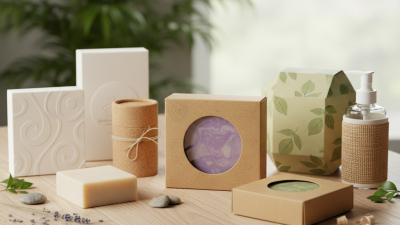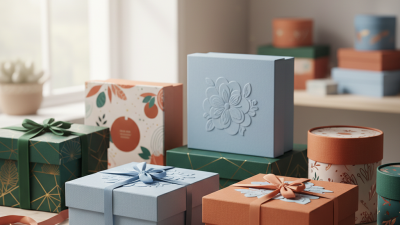

Cosmetic Packaging
Display Packaging
CBD Packaging
Retail Packaging
Product Packaging
Cigarette Packaging
Candle Packaging
Soap Packaging
Chocolate Packaging
Vape Packaging
Food Packaging
Gift Packaging
Bakery Packaging Boxes
Pizza Packaging
Bottle Packaging
Garments Packaging
Custom Printed Bags
Christmas Packaging
Toy Packaging
Cereal Packaging
Jewelry Packaging
Apparel Packaging
Shipping Packaging
Custom Pre Roll Boxes
Dispenser packaging
Eco Friendly Packaging
Custom Health Packaging
Pharmaceutical PackagingChoosing the right cosmetic boxes for your products can greatly influence their market appeal. According to Lisa Tran, a leading expert in packaging design, "The right packaging tells your brand’s story." This insight emphasizes the importance of selecting the perfect cosmetic boxes.
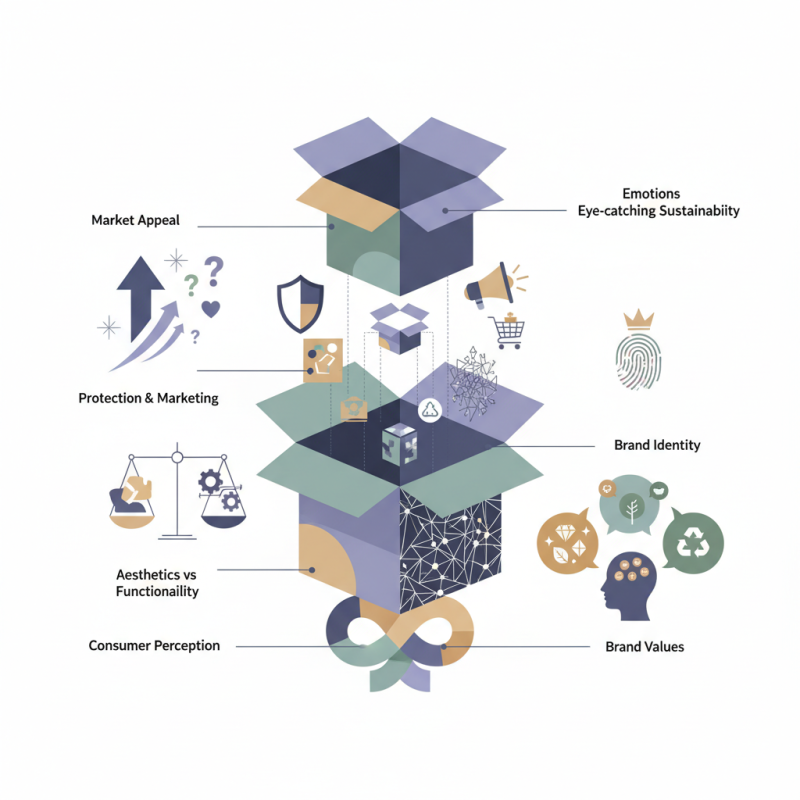
Cosmetic boxes serve not only as a protective layer but also as a vital marketing tool. They reflect your brand’s identity and can attract potential customers. However, choosing the perfect box can be challenging. Many brands struggle to balance aesthetics with functionality. The choices available are overwhelming. Do you prioritize eye-catching designs or eco-friendly materials?
Consider the emotions you wish to evoke. Is it luxury, simplicity, or sustainability? The message conveyed through packaging can have profound effects on consumer perceptions. Yet, many brands overlook this crucial aspect. Reflect on your brand's unique attributes. Choosing cosmetic boxes is more than a decision; it’s a representation of your brand values.
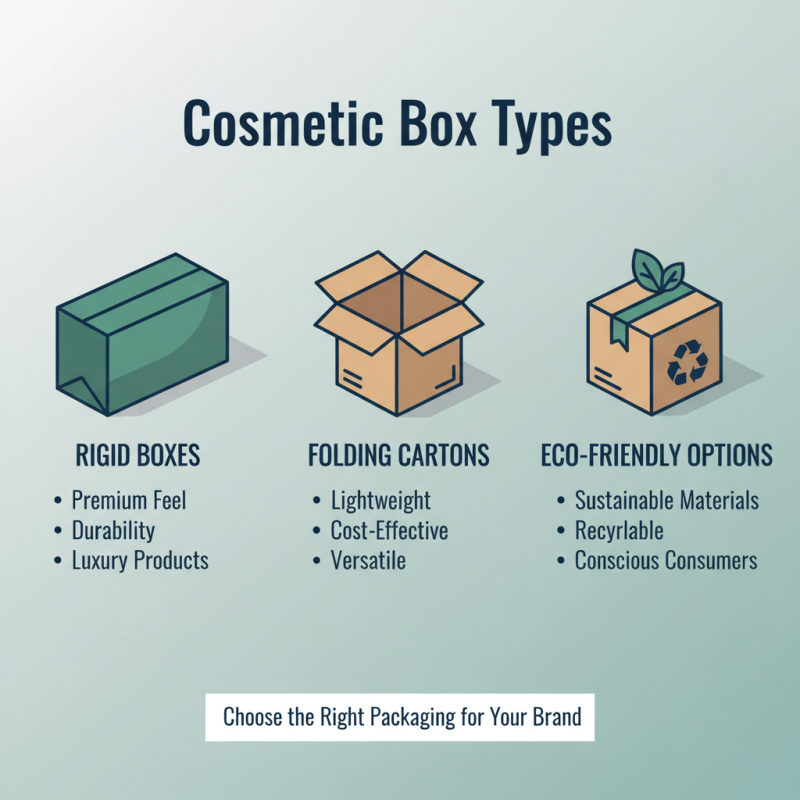
When it comes to cosmetic boxes, understanding the different types is essential. Various styles cater to specific products and branding needs. Rigid boxes offer a premium feel and durability. Folding cartons are lighter and more cost-effective, making them a popular choice. Eco-friendly options are gaining traction; they appeal to conscious consumers.
Rich colors and unique textures can elevate your product presentation. Studies show that packaging influences purchase decisions. Around 72% of consumers say packaging design affects their choice. This underscores the importance of choosing the right box. Transparent boxes allow visibility of the product, enhancing allure.
Tips:
Consider your target market. Understand their preferences for color and material. Reflect on your brand image. A mismatch can harm your identity. Additionally, think about functionality. A beautiful box that is difficult to open can frustrate customers. Test various designs before making a decision. Take feedback seriously; embrace improvements.
Choosing the right materials for cosmetic boxes is crucial.
Durability ensures that the products remain protected during transportation and storage. Yet, many companies overlook this aspect, prioritizing appearance over functionality.
Cardboard, for example, can be a robust option, but its quality varies widely. Some cardboard can easily tear or become damaged.
Sustainability is another important factor. Many consumers today prefer eco-friendly options.
Materials like recycled paper and biodegradable plastics are gaining popularity. However, these choices often come with trade-offs.
They may not offer the same level of durability as traditional materials. It’s essential to find a balance that doesn’t compromise the product's integrity. This can be challenging, especially for brands focused on aesthetic appeal.
Reflecting on the production process can be beneficial. Are sourcing practices aligned with sustainable values?
Understanding the life cycle of packaging materials can reveal hidden drawbacks. Not every solution is perfect, and exploring alternatives is necessary.
Each choice shapes consumer perception. The right cosmetic box should protect and resonate with eco-conscious shoppers.
Creating the right cosmetic box is crucial for brand identity. Packaging is not merely a container; it communicates values and aesthetics. According to a report by Smithers Pira, 72% of consumers say packaging design influences their purchasing decisions. This shows the importance of visually appealing packaging.
When considering brand identity, colors play a significant role. For example, vibrant colors can evoke feelings of excitement and joy. However, a mismatch can confuse customers. A recent study by Packaging Materials found that 45% of customers associate colors with specific emotions or values. Brands should carefully select colors that resonate with their target audience.
Incorporating texture can enhance the tactile experience. The slight unevenness of recycled materials might suggest authenticity but could also appear unrefined. This balance is delicate. Surveys indicate that customers often touch packaging before deciding to buy. Brands should ensure that their cosmetic boxes feel as good as they look.
Choosing the right cosmetic box goes beyond aesthetics. Functionality plays a vital role in user experience. Consider how easy it is to open and close the box. Durable materials contribute to the long-term use of your packaging. However, not every option available on the market is practical or user-friendly.
Think about the size and shape of the box. It should securely hold the product while being portable. A box that’s too big feels wasteful. One that’s too small might damage the contents. Testing prototypes can offer insight, but flaws often become apparent only after using them in real situations.
Also, consider eco-friendly materials. They are increasingly popular among consumers. Yet, some biodegradable options might not provide the same durability as conventional materials. Balancing sustainability with practicality can be a challenge. It's essential to reflect on your audience's preferences and how packaging impacts their overall experience.
When budgeting for cosmetic boxes, several factors come into play. Start by assessing how much you can allocate for customization. Eye-catching designs often require higher investment. Consider materials as well. Using eco-friendly options can be more expensive, but the appeal can justify the cost.
Production costs can also vary significantly. Bulk orders typically reduce the price per unit. Yet, ordering in large quantities may not always align with your sales predictions. It’s crucial to balance between affordability and quality. Think about testing smaller batches to gauge customer interest before committing to larger orders. This approach minimizes risks and ensures resources aren’t wasted.
Be prepared for unexpected expenses. Shipping fees, taxes, and design revisions can add up quickly. Keep a buffer in your budget to cover these costs. In this journey, it's essential to be flexible. Your initial plan may require adjustments along the way. Embrace the process of learning from missteps.
| Feature | Description | Estimated Cost (USD) | Recommended Quantity |
|---|---|---|---|
| Material Type | Eco-friendly cardboard | $0.50 per box | 500 |
| Box Size | Standard size for creams | $0.10 additional | 1000 |
| Printing | Full color offset printing | $0.30 per box | 500 |
| Finishing Options | Matte or glossy finish | $0.20 per box | 500 |
| Customization | Die-cut and unique shapes | $0.60 extra per box | 300 |
© 2007 - 2025 The Custom Packaging. All right reserved.