How to Choose the Best Twin Shaft Mixer for Concrete?
Choosing the right Twin Shaft Mixer for concrete production is crucial. In recent industry reports, it has been noted that concrete quality significantly affects the durability of structures. A reliable mixer can enhance the mixing efficiency and consistency of concrete, which are vital for structural integrity.
According to a report by the World Cement Association, the demand for high-performance mixers is on the rise. This is driven by the increasing complexity of construction projects. A quality Twin Shaft Mixer Concrete offers uniform mixing, reducing waste and improving productivity. However, selecting the ideal mixer can be challenging. Users often find themselves overwhelmed by various models and features.
Understanding specific needs is essential. Factors like mixer capacity, speed, and power consumption can greatly impact performance. Reflecting on personal experiences with different mixers can guide optimal selection. It's important to acknowledge that not all mixers will match every production requirement perfectly. Each choice involves trade-offs that need careful consideration.
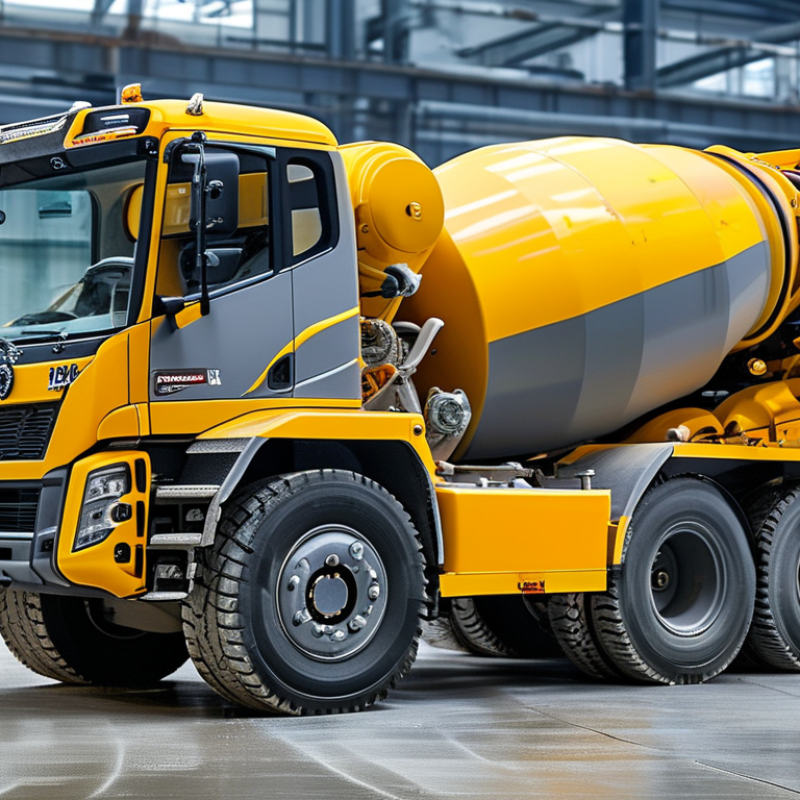
Factors to Consider When Selecting a Twin Shaft Mixer for Concrete
When selecting a twin shaft mixer for concrete, several factors come into play. One of the most crucial considerations is the mixing capacity. It's essential to evaluate your production needs. A mixer that is too small may not meet your demands, while one that is too large might lead to inefficiencies. Think about the types of projects you handle and the volume of concrete required.
Another important aspect is the design of the mixer. Well-designed twin shaft mixers enhance uniformity in mixing. A robust structure can handle high-stress levels during operation. Not all mixers are built equally; look for features like wear-resistant liners. These enhancements may extend the life of your mixer, ultimately saving costs.
Consider also the mixing speed. Depending on the project, faster mixing can lead to quicker turnaround times. However, speed shouldn’t compromise the quality of the concrete. A careful balance is necessary. Understand that some mixers might not deliver the desired results in terms of consistency when operated at high speeds.
When choosing your mixer, reflect on maintenance needs too. Access to key components for servicing is vital. A machine that is hard to maintain can lead to downtime. Being aware of these essential factors can guide you to a mixer that aligns with your operational goals.
Understanding the Importance of Mixing Uniformity in Concrete Production
Mixing uniformity plays a crucial role in concrete production. A well-mixed batch ensures consistent strength, durability, and workability. Research indicates that uniformity impacts compressive strength by up to 20%. Inconsistent mixing can lead to significant weaknesses in the final product. Thus, understanding the mechanics of mixing is essential for optimizing concrete quality.
When selecting a twin shaft mixer, consider its mixing efficiency. High-quality mixers achieve uniform distribution of materials, which is vital for producing reliable concrete. An industry report notes that improper mixing can cause variability of up to 15% in the concrete's properties. This emphasizes the importance of choosing a mixer that guarantees thorough material integration.
While modern twin shaft mixers are designed for efficiency, not all machines deliver the same results. Some mixers struggle with specific material types or larger batch sizes. Operators may overlook these aspects, leading to inconsistent concrete quality. It's important to evaluate the mixer’s performance under various conditions to ensure it meets production standards.
Comparing Capacity and Performance Metrics of Twin Shaft Mixers
When selecting a twin shaft mixer for concrete, understanding capacity and performance metrics is essential. Capacity impacts the volume of concrete you can mix at once. Choose a mixer that matches your production needs. For example, a mixer with a higher capacity is ideal for larger projects, while smaller ones may benefit from a compact design.
Performance metrics, such as mixing speed and homogeneity, should also be evaluated. A mixer that blends materials thoroughly can save time and resources. Pay attention to the mixing time required and the energy consumption involved. Some mixers claim quick results, but the actual efficiency may vary in practice.
Before making a decision, reflect on your long-term needs. A mixer might seem sufficient now but could fall short as demand grows. Comparing different models based on real-world usage will provide clarity. Always research user feedback and consult industry experts to guide your choice effectively. In mixing technology, small details can make a significant difference in outcome.
Analyzing Operational Costs and Maintenance Needs of Different Models
When selecting a twin shaft mixer for concrete, operational costs and maintenance are vital factors. A recent industry report indicates that the average operating cost can range from $0.50 to $1.00 per cubic meter of concrete produced. Understanding these costs can shape purchasing decisions. It is essential to analyze the energy consumption of different models. Devices that utilize advanced mixing technology can offer notable energy savings, up to 30% in some cases.
Maintenance needs vary significantly among models. Regular inspections are essential for ensuring optimal performance. Some mixers require daily maintenance checks, while others may operate with less frequent necessity. A comprehensive maintenance plan can reduce downtime and prolong equipment life. Reports show that neglecting maintenance can increase repair costs by 40% over time. It's important to consider that complexities in design can lead to unforeseen challenges.
Investing in a mixer involves evaluating both short-term and long-term costs. Initial purchase prices can be enticing, but total cost of ownership reveals greater insights. A well-maintained mixer can yield better returns on investment. Identifying potential pitfalls in maintenance practices can foster improved operational efficiency. Understanding these elements thoroughly enhances decision-making for concrete professionals.
Evaluating the Influence of Material Types on Mixer Efficiency and Durability
When selecting a twin shaft mixer for concrete, understanding the influence of material types is crucial. Different materials behave uniquely, affecting both the mixer’s efficiency and its overall durability. For instance, aggregates like gravel versus sand require varying levels of energy to blend effectively. Gravel, being coarser, may demand more powerful mixing action, while fine sands can merge quickly with cement.
Water-to-cement ratios are also vital. A higher water content can improve workability but may weaken the final product. In contrast, lower water ratios could enhance strength but complicate the mixing process. Each decision directly impacts downtime and the life span of the mixer.
Different designs may perform better with specific material types. Low-quality materials can break down sooner, leading to increased wear and tear. A mismatch between the mixer and materials might result in inefficiencies. Reflecting on these choices is essential for optimal performance in concrete mixing. Experimenting with material blends can reveal unexpected challenges, prompting a reevaluation of mixing techniques.
How to Choose the Best Twin Shaft Mixer for Concrete? - Evaluating the Influence of Material Types on Mixer Efficiency and Durability
| Material Type | Mixing Efficiency (%) | Durability Rating (Years) | Recommended Shaft Speed (RPM) | Operating Temperature Range (°C) |
| Gravel | 90 | 10 | 75 | -5 to 40 |
| Sand | 85 | 8 | 65 | -10 to 35 |
| Cement | 92 | 12 | 80 | 0 to 45 |
| Admixtures | 88 | 9 | 70 | -5 to 40 |
| Recycled Materials | 84 | 7 | 60 | -10 to 30 |

 Cosmetic Packaging
 Display Packaging
 CBD Packaging
 Retail Packaging
 Product Packaging
 Cigarette Packaging
 Candle Packaging
 Soap Packaging
 Chocolate Packaging
 Vape Packaging
 Food Packaging
 Window Packaging Boxes
 Gift Packaging
 Bakery Packaging Boxes
 Pizza Packaging
 Bottle Packaging
 Garments Packaging
 Custom Printed Bags
 Christmas Packaging
 Toy Packaging
 Cereal Packaging
 Jewelry Packaging
 Apparel Packaging
 Shipping Packaging
 Custom Pre Roll Boxes
 Dispenser packaging
 Eco Friendly Packaging
 Custom Health Packaging
 Pharmaceutical Packaging