
Cosmetic Packaging
Display Packaging
CBD Packaging
Retail Packaging
Product Packaging
Cigarette Packaging
Candle Packaging
Soap Packaging
Chocolate Packaging
Vape Packaging
Food Packaging
Gift Packaging
Bakery Packaging Boxes
Pizza Packaging
Bottle Packaging
Garments Packaging
Custom Printed Bags
Christmas Packaging
Toy Packaging
Cereal Packaging
Jewelry Packaging
Apparel Packaging
Shipping Packaging
Custom Pre Roll Boxes
Dispenser packaging
Eco Friendly Packaging
Custom Health Packaging
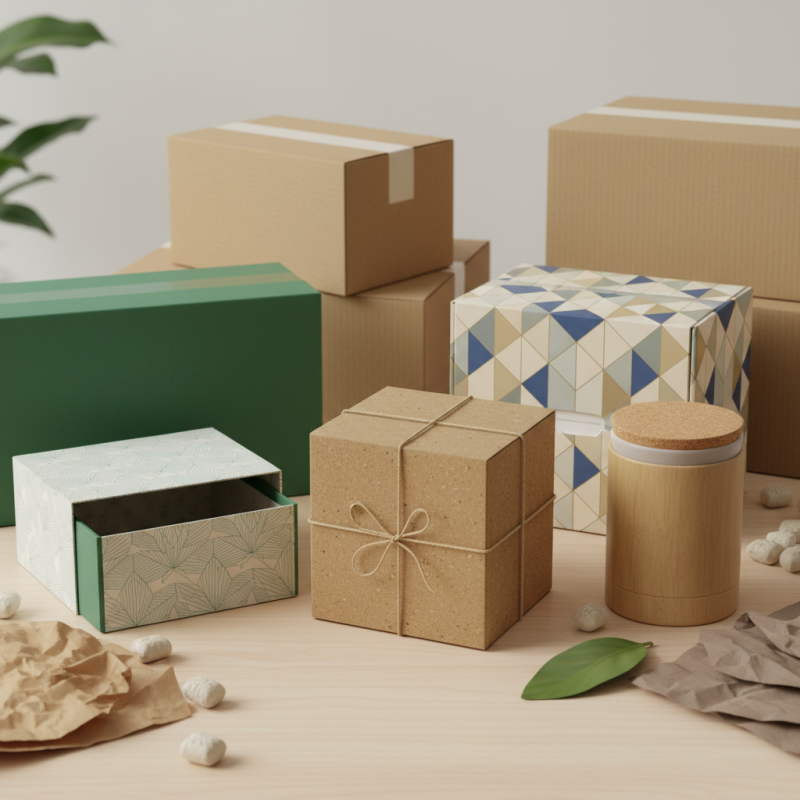
Pharmaceutical PackagingChoosing the right retail packaging boxes is crucial for your business’s success. Packaging does more than protect your products; it communicates your brand identity. The first impression often hinges on those boxes. Striking designs can capture attention. Meanwhile, sturdy materials ensure reliability during shipping.
Understanding your target audience is essential. Consider their preferences and expectations. Do they value sustainability? Are they drawn to aesthetics? It's vital to reflect on what your customers prioritize. The wrong choice can lead to lost sales. Packaging should not only look appealing but also align with your values.
Reflect on functionality too. How easy is it for customers to open the boxes? Can they reuse or recycle them? Sometimes, the perfect retail packaging boxes are overlooked due to flashy design. It's about finding balance. Aim for a solution that is practical while remaining eye-catching. This process may require multiple iterations. Keep testing and adjusting until you find what truly resonates.
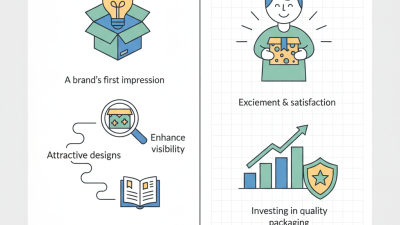
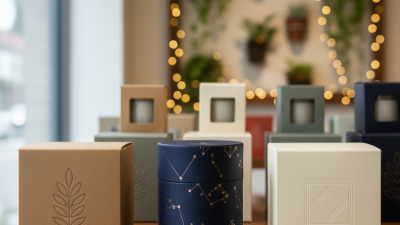
Retail packaging matters. It is often the first thing customers see. A well-designed package can catch their attention. It communicates brand values and product quality. If the packaging is dull, potential buyers may overlook it. Using creative designs helps create a lasting impression.
Good packaging also protects products during transit. It prevents damage and ensures items arrive safely. However, many businesses focus only on aesthetics. They forget functionality. Weak packaging can lead to returns and dissatisfied customers. Investing in quality materials is essential.
Sustainability is a growing concern in retail. Consumers prefer eco-friendly packaging. It reflects a commitment to the environment. Yet, not all brands prioritize this. Some still use excessive plastic. This can harm brand reputation. Reflecting on packaging choices is crucial for long-term success.
Identifying your target market is crucial in choosing the best retail packaging boxes. A report by Packaging Strategies states that 72% of consumers prefer packaging that reflects their values. This highlights the importance of aligning packaging choices with your audience's preferences. Understanding who your customers are can guide you to make informed decisions.
For example, eco-friendly packaging is gaining traction. According to a survey by Statista, 50% of consumers are willing to pay more for sustainable packaging. This trend shows that businesses must consider the environmental impact of their packaging. However, not all target markets prioritize sustainability. Some may prefer durability over eco-friendliness. The key is to gather insights about your audience’s values and preferences.
Research also shows that 61% of consumers notice packaging design. This aspect cannot be ignored. An appealing design can enhance brand loyalty. Yet, it's essential to remember that not all designs resonate with everyone. Regular feedback from customers can provide clarity. Are you meeting their expectations? This reflection is vital for continuous improvement in product packaging.
This chart illustrates the preferences of different target market segments regarding retail packaging styles.
Choosing the right retail packaging material can greatly impact your brand’s success. Various materials offer unique benefits and drawbacks.
Cardboard boxes are popular for their sturdiness and recyclability. However, they may not be suitable for heavy items. Additionally,
paper-based packaging is lightweight and eco-friendly but can be less durable.
Plastic packaging is another option. It offers water resistance and can be molded into various shapes. Yet, plastics are often criticized for environmental concerns.
Glass containers present a premium feel, enhancing product appeal. However, they are fragile and may increase shipping costs.
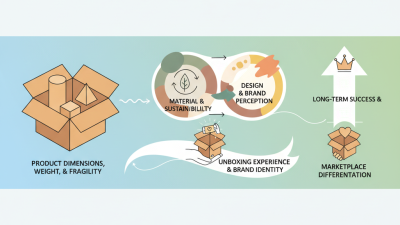
Evaluating your needs is key. Consider the product weight and fragility. Will the packaging protect your items? Reflecting on sustainability is also vital.
Eco-friendly options may save costs in the long run. However, they can sometimes be more expensive upfront. Assessing all these factors can be challenging but essential for making informed choices.
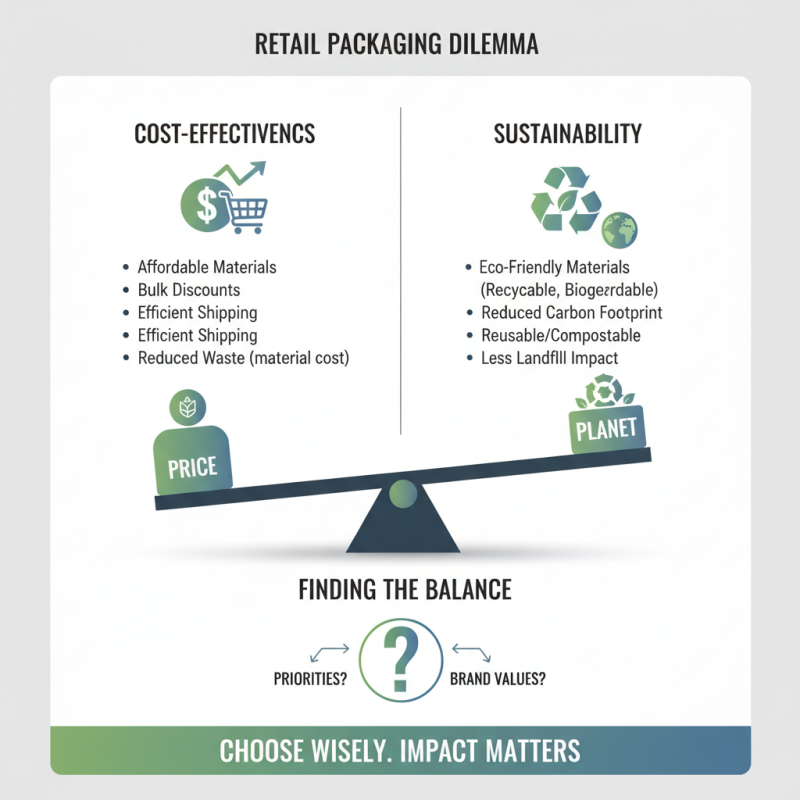
Choosing retail packaging boxes involves careful consideration of cost-effectiveness and sustainability. Finding the right balance can be challenging. Packaging that is affordable may not always be environmentally friendly. Brands must assess their priorities.
Cost-effective options often come with trade-offs. Cheaper materials can lead to a poor brand image. For instance, flimsy cardboard might save money but can disappoint customers. It’s crucial to evaluate long-term costs versus short-term savings. Often, investing more in sustainable packaging pays off over time. Customers increasingly prefer eco-friendly solutions.
Sustainability isn’t just a trend; it’s necessary. Businesses should explore options made from recycled materials. Some materials biodegrade, reducing waste. However, sourcing sustainable options can be complex and sometimes costly. The right choice depends on a brand's values and target audience. Finding the ideal packaging can feel daunting, but it is a worthwhile endeavor.
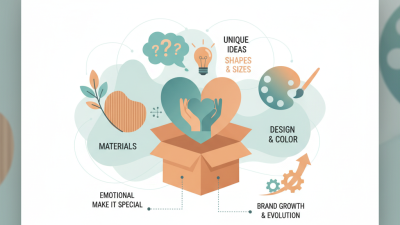
Designing retail packaging is more than just aesthetics. It tells a story and reflects your brand's identity. The colors, fonts, and materials you choose impact consumer perception. Does your packaging evoke the right emotions? Think about how a simple box can convey luxury or practicality. Finding the right balance in design is crucial.
Brand visibility is another essential aspect. You want your packaging to stand out on shelves. Eye-catching designs draw attention. But be careful; too much can confuse potential buyers. Consider how your logo integrates with the overall design. Is it too prominent or just background noise?
Don't overlook functionality, either. Packaging should protect the product and be easy to open. It’s frustrating for customers when boxes are tough to navigate. Reflect on how your packaging performs in real-world scenarios. Blending form and function is an ongoing challenge that requires constant refinement. What works today may not suffice tomorrow. Keep iterating.
© 2007 - 2025 The Custom Packaging. All right reserved.