
How to Choose the Best Printed Packaging Boxes for Your Products?

Choosing the right printed packaging boxes is crucial for your products. A well-designed box can enhance your brand image and attract customers. However, selecting the best option can be overwhelming. You may wonder about materials, sizes, and printing techniques.

Consider the purpose of your packaging. Will it protect fragile items? Or is it meant for promotional purposes? Understanding these needs is essential. High-quality printed packaging boxes can elevate your product's appeal.

Keep in mind that details matter. The right colors and designs can make a significant difference. However, don't overlook functionality. Boxes that are difficult to open or poorly designed can frustrate customers. This balance of aesthetics and usability is key. Reflect on your choices to ensure they align with your brand's ethos.

How to Choose the Best Printed Packaging Boxes for Your Products?

Understanding Different Types of Printed Packaging Materials Available

How to Choose the Best Printed Packaging Boxes for Your Products?

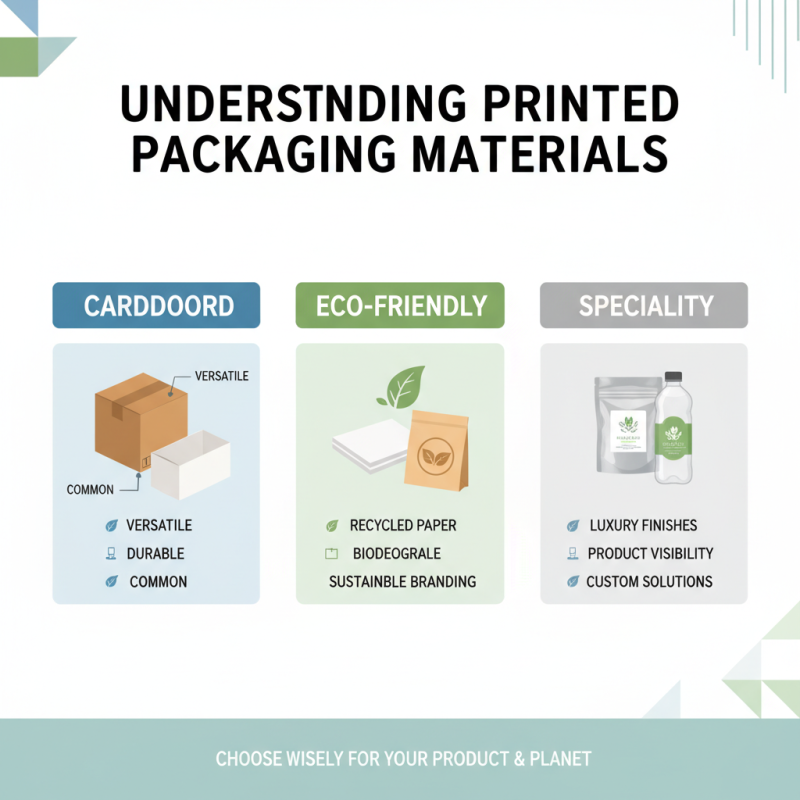
Choosing the right printed packaging material is crucial for your products. There are several options available, each with unique properties. Cardboard is a popular choice. It's versatile and durable. Eco-friendly options are becoming widely preferred too. Materials like recycled paper or biodegradable options are great for sustainable branding.

Tips: Consider the weight of your products. Lightweight materials can save shipping costs while ensuring safety.

Another option is plastic. It offers waterproof protection but may not be the best for the environment. However, it can be printed in vibrant colors and customized shapes. You need to reflect on your brand's values. Is sustainability a priority?

Tips: Research local regulations on plastic use. Compliance ensures you avoid legal issues and maintain your brand reputation.

Foam and air-filled packaging provides excellent cushioning. This type is ideal for fragile items. However, it may not align with eco-conscious practices. Weigh the benefits and drawbacks carefully. Ultimately, your choice shapes customers' perceptions and impacts your brand identity.

Evaluating Customization Options for Your Packaging Needs

When evaluating customization options for your printed packaging boxes, consider the unique needs of your products. Each item has its own shape and size. Thus, standard packaging may not suffice. Custom boxes offer specific dimensions that ensure a snug fit. This not only enhances protection but also elevates the unboxing experience.

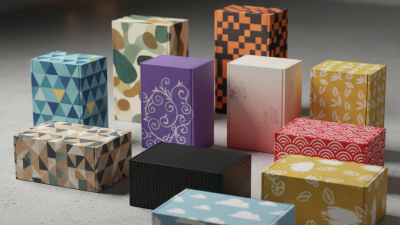
Explore materials as part of your customization journey. Options may range from cardboard to eco-friendly materials, depending on your brand’s identity. Each material carries a different weight, texture, and durability. For instance, thicker cardboard provides robust protection, while lighter options may suit less fragile items. Don't overlook colors and printing techniques. They can significantly impact how consumers perceive your products. Vibrant colors attract attention, while minimalistic designs convey elegance.

Lastly, reflect on your target market’s preferences. This could guide your customization choices. Sometimes, simpler designs may resonate more with your audience than elaborate patterns. Test different packaging styles with small focus groups to gather honest feedback. This iterative process may lead to the discovery of what truly aligns with your brand values and customer expectations.

Analyzing the Cost-Effectiveness of Printed Packaging Solutions

Printed packaging solutions are essential for many businesses. They not only serve to protect products but also act as a marketing tool. Cost-effectiveness is a key consideration when choosing printed packaging boxes. Analyzing costs involves looking at materials, design, and production processes.

Quality matters. While cheaper materials may save money initially, they can affect the product's perception. A box that looks flimsy can make customers doubt the value of what’s inside. Brands must balance quality and cost in packaging choices. Often, investing a bit more in durable materials pays off in customer satisfaction.

Design also plays a crucial role. A well-designed box can attract more customers and elevate brand presence. However, intricate designs might increase costs. Companies should consider how design influences purchasing decisions. Reflecting on past choices helps in making informed decisions for future packaging.

How to Choose the Best Printed Packaging Boxes for Your Products? - Analyzing the Cost-Effectiveness of Printed Packaging Solutions

Packaging Type Material Cost per Unit ($) Minimum Order Quantity Lead Time (Days) Sustainability Rating
Custom Cardboard Boxes Post-Consumer Recycled Paper 0.75 100 14 High
Printed Rigid Boxes Grayboard with Paper Lamination 1.50 250 21 Medium
Eco-Friendly Mailers Biodegradable Polyethylene 0.50 300 7 Very High
Foam Inserts Custom Boxes Expanded Polystyrene Foam 2.00 150 30 Low

Identifying Sustainability Practices in Printed Packaging Production

When selecting printed packaging boxes, sustainability should be a top priority. It starts with choosing materials that have a lower environmental impact. Look for recycled or biodegradable options. These materials help reduce waste and lessen the carbon footprint of your packaging. Sustainable practices involve sourcing paper from responsibly managed forests. This approach supports biodiversity and minimizes deforestation.

Next, examine the printing processes used in production. Eco-friendly inks, such as water-based or soy-based inks, are preferable. They contain fewer toxins and are safer for consumers and the environment. Additionally, consider the energy sources powering production facilities. Facilities that use renewable energy contribute to a greener supply chain.

Reflecting on sustainability practices is crucial. Some companies may claim to be sustainable without transparency. Always verify the claims and ask for certifications. Engaging with suppliers that prioritize sustainability fosters accountability. Changes may not happen overnight. However, dedication to sustainable practices can lead to significant improvements over time. Choosing sustainability in printed packaging isn't just an option; it's a responsibility for future generations.

Examining Industry Trends in Consumer Preferences for Packaging Design

Choosing the best printed packaging boxes requires understanding current trends. Consumers today emphasize eco-friendliness in packaging materials. A shift towards sustainable options is noticeable. This change aligns with a growing awareness of environmental issues. Many consumers prefer designs that reflect their values, favoring brands that prioritize sustainability.

Tips: Consider materials like recycled paper and biodegradable options. These not only appeal to eco-conscious consumers but also reduce your brand's carbon footprint.

Visual appeal plays a crucial role too. Unique and eye-catching designs attract attention. Simple yet effective designs help convey the brand message clearly. However, balancing creativity with functionality is key. A beautiful box that is hard to open may frustrate customers.

Tips: Test your designs with potential customers. Gather feedback to understand what resonates with them. This can guide your decisions and help improve future designs.

Consumer Preferences for Packaging Design