
Cosmetic Packaging
Display Packaging
CBD Packaging
Retail Packaging
Product Packaging
Cigarette Packaging
Candle Packaging
Soap Packaging
Chocolate Packaging
Vape Packaging
Food Packaging
Gift Packaging
Bakery Packaging Boxes
Pizza Packaging
Bottle Packaging
Garments Packaging
Custom Printed Bags
Christmas Packaging
Toy Packaging
Cereal Packaging
Jewelry Packaging
Apparel Packaging
Shipping Packaging
Custom Pre Roll Boxes
Dispenser packaging
Eco Friendly Packaging
Custom Health Packaging
Pharmaceutical PackagingChoosing the right Iron Frying Pan can significantly enhance your cooking experience. Renowned chef and cookware expert, Thomas Keller, once said, “A good pan is the cornerstone of great cooking.” This highlights the importance of selecting a pan that suits your needs.
When it comes to Iron Frying Pans, durability and heat retention are critical. An ideal pan can withstand high temperatures and provide even cooking. Many cooks underestimate the value of weight and material. A heavier pan, for example, can offer better heat distribution.
Consider your cooking style and the types of dishes you prepare. An Iron Frying Pan can serve multiple purposes, from searing meats to sautéing vegetables. However, some may find the maintenance daunting. Proper seasoning and care are essential for optimal performance, and this is often where users encounter challenges.
Choosing the right iron frying pan can be overwhelming. There are many factors to consider. Start with the weight. A heavier pan can retain heat better. However, it might be hard to handle for some. Lighter options are easier to maneuver but may not distribute heat as evenly.
Next, think about the size. Standard sizes range from 8 to 12 inches. A larger pan is great for family meals but can be cumbersome for single servings. Also, consider the handle. A comfortable grip is crucial when cooking at high temperatures.
Finally, don’t overlook the pan's seasoning. A well-seasoned pan develops a natural non-stick surface. This requires time and care but enhances flavor. Many users find this process rewarding. Reflect on your cooking style. If you prefer low-maintenance cookware, you might feel overwhelmed by the upkeep of an iron frying pan. Take your time to weigh these factors to find the best fit for your kitchen.
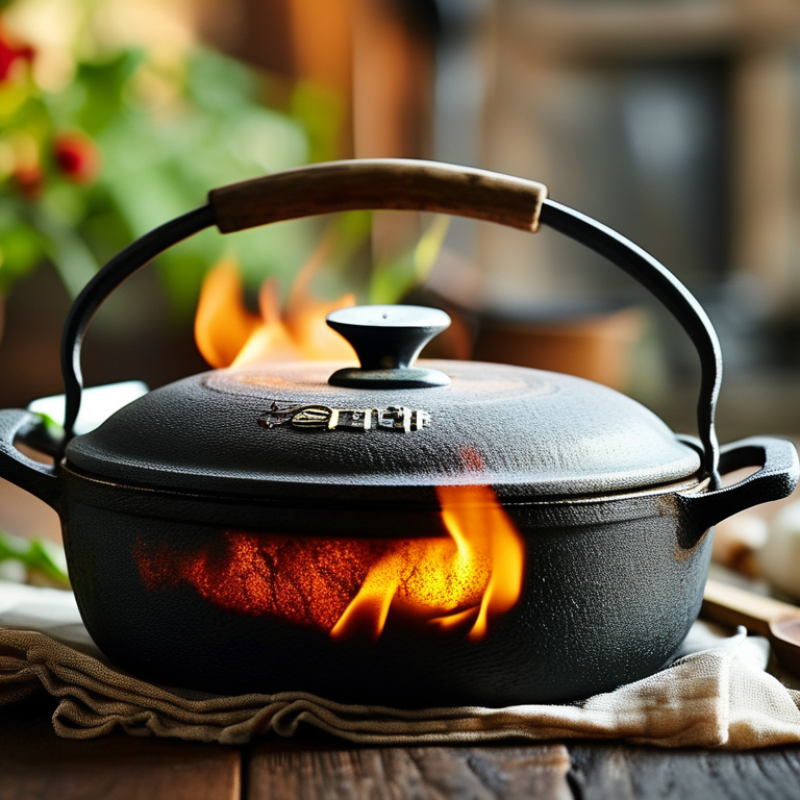
When selecting an iron frying pan, it's important to understand the different types and their uses. Cast iron pans are renowned for their heat retention, ideal for slow-cooking and searing. They have a natural non-stick surface that improves with seasoning. However, they can be quite heavy and take time to season properly.
Carbon steel pans are another option. These pans heat quickly and are excellent for stir-frying and sautéing. They are lighter than cast iron but still durable. Both types require careful maintenance. They should be dried immediately after washing to prevent rust. Users often find that achieving the right seasoning may take several attempts, leading to some initial frustrations.
Enameled cast iron is also popular. It offers a colorful exterior and does not need seasoning. This pan is great for acidic foods but can chip if mishandled. Many cooks struggle with the high price point, weighing the benefits against their cooking habits. Understanding these nuances can make a significant difference in your kitchen experience.
Caring for an iron frying pan is crucial for its longevity and performance. Proper maintenance prevents rust and enhances its natural non-stick qualities. The American Iron and Steel Institute recommends seasoning your pan regularly. Using a thin layer of oil after cleaning can help maintain the seasoning layer. Research indicates that well-maintained iron pans can last decades, often becoming family heirlooms.
Cleaning is essential but must be done carefully. Avoid harsh detergents; instead, use hot water and a soft sponge. Every few months, consider re-seasoning if the surface appears dull. A survey by the Culinary Institute found that 75% of chefs prefer iron pans for their durability and heat retention. However, many struggle with rust issues due to improper care. It's important to dry your pan immediately after washing to prevent oxidation.
Also, think about storage. Avoid stacking pans unless they are well-protected. A soft cloth can buffer surfaces from scratches. While minor imperfections in seasoning may seem frustrating, they’re often part of the pan's story. Embrace these quirks—they show usage over time. With consistent attention, your iron frying pan can truly shine in your kitchen.
When it comes to selecting an iron frying pan, understanding price and brand comparisons is crucial. Different brands offer various features, sizes, and prices. Some pans might seem cheap, but they may lack durability. Others could be quite expensive but might not meet your cooking needs. Researching prices across multiple retailers can help you find the best deal.
A tip when comparing brands is to read reviews. User feedback often sheds light on longevity and performance. Checking cooking blogs or forums allows you to gather real user experiences. Also, consider the return policy of the retailer. This ensures you have options if the pan does not perform as expected.
Look for pans made with quality iron, ensuring they are well-seasoned. A well-seasoned pan can enhance your cooking experience. Pay attention to the weight of the pan as well; heavier pans often provide better heat retention. Giving careful thought to these details may result in a purchase you won't regret. Make sure to take your time in this decision-making process.
Iron frying pans are versatile tools in any kitchen. Their ability to retain heat makes them excellent for various cooking techniques. Searing, sautéing, and frying are common methods to maximize their potential. When using an iron frying pan, it's essential to preheat it properly. This ensures that food cooks evenly and prevents sticking.
Tips: Always season your iron pan before the first use. A well-seasoned pan improves non-stick properties. Use a moderate heat to avoid damaging the seasoning. If food sticks, it might be time to re-season your pan.
You can also leverage the pan's heat retention for baking. Place it in the oven to create a crispy crust on bread or pizza. Remember, iron pans can become very hot, so handle them with care. Cleaning them can be tricky too. Avoid soap, as it can strip the seasoning. Instead, wipe it down with a damp cloth or scrub it gently with salt.
Tips: For stubborn residue, heat some oil in the pan and use a spatula to scrape off bits. Dry your iron frying pan immediately to prevent rust. Keep experimenting with different techniques to find what works best for you. Cooking requires practice, and so does mastering your iron frying pan.
| Feature | Description | Common Cooking Techniques |
|---|---|---|
| Material | Cast iron is durable and retains heat well. | Searing, browning, and frying. |
| Weight | Heavier pans offer better heat retention. | Stir-frying and sautéing. |
| Size | Available in various sizes for different cooking needs. | Baking and roasting. |
| Seasoning | A well-seasoned pan prevents sticking and enhances flavor. | Frying eggs and pancakes. |
| Compatibility | Can be used on stovetops, ovens, and even over a campfire. | Grilling and finishing dishes in the oven. |
© 2007 - 2025 The Custom Packaging. All right reserved.