
Cosmetic Packaging
Display Packaging
CBD Packaging
Retail Packaging
Product Packaging
Cigarette Packaging
Candle Packaging
Soap Packaging
Chocolate Packaging
Vape Packaging
Food Packaging
Gift Packaging
Bakery Packaging Boxes
Pizza Packaging
Bottle Packaging
Garments Packaging
Custom Printed Bags
Christmas Packaging
Toy Packaging
Cereal Packaging
Jewelry Packaging
Apparel Packaging
Shipping Packaging
Custom Pre Roll Boxes
Dispenser packaging
Eco Friendly Packaging
Custom Health Packaging
Pharmaceutical PackagingChoosing the right Intrinsically Safe Blower Fan is crucial in hazardous environments. Industry reports indicate that improper selection can lead to significant safety risks. According to the National Fire Protection Association (NFPA), over 30% of industrial accidents result from inadequate ventilation systems. Selecting an appropriate blower fan ensures compliance with safety standards, preventing potential disasters.
Expert John Davidson, a well-known authority in safety equipment, emphasizes, "The right blower fan can be a lifesaver in explosive environments." His insights reflect the critical relationship between fan performance and safety. Many users overlook specific features that enhance safety. A focus on ratings, certifications, and durability is vital.
However, the market is flooded with options, making it daunting for users. Brands often claim to meet safety standards, but not all live up to their promises. Regular evaluations and user reviews could provide clarity. It’s essential to stay informed and choose wisely, balancing safety, efficiency, and reliability.
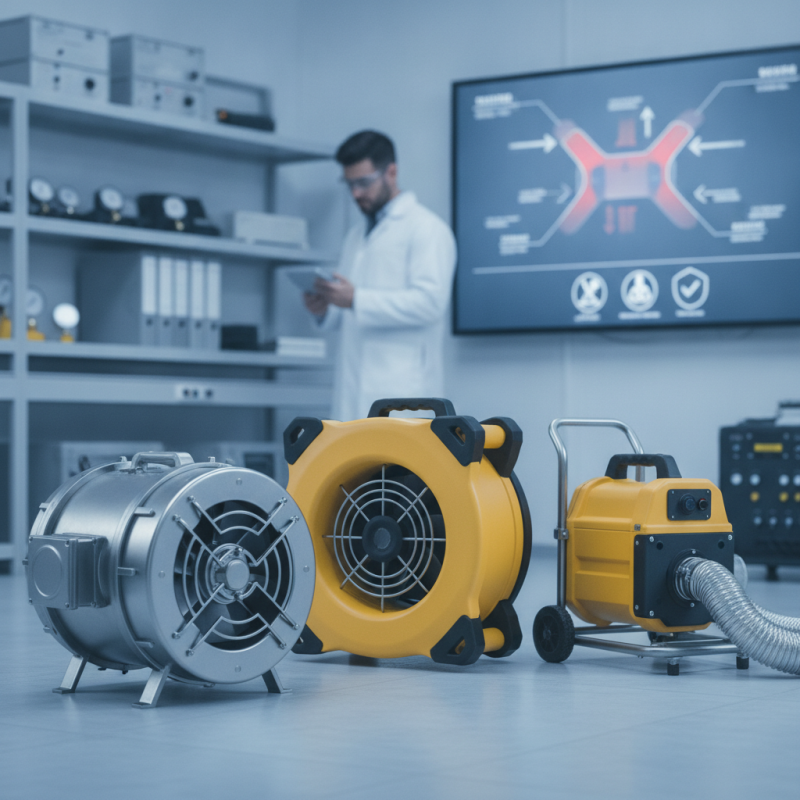
When selecting an intrinsically safe blower fan, understanding its key characteristics is crucial. These fans are designed to operate safely in hazardous environments. They feature components that limit the amount of electrical energy, preventing ignition of explosive gases. According to industry reports, approximately 25% of workplace accidents occur in explosive atmospheres, emphasizing the importance of safety measures.
A reliable intrinsically safe blower fan must meet rigorous standards set by organizations such as the ATEX and IECEx. These certifications indicate compliance with safety protocols. For instance, fans should allow for proper airflow and cooling while sustaining low temperatures. Research indicates that effective airflow can reduce the risk of gas accumulation. Thus, selecting the right fan involves careful consideration of airflow ratings and energy efficiency.
While there are numerous options available, not all fans perform equally in diverse environments. Users should be cautious when evaluating claims. It's wise to consult with safety experts or conduct thorough testing before making a purchase. Real-world performance can vary from theoretical specifications. Industry statistics reveal that over 30% of accidents result from inadequate equipment checks, stressing the importance of rigorous evaluation in choosing the safest option.
| Feature | Description | Importance | Safety Rating |
|---|---|---|---|
| Explosion Proof Design | Constructed to prevent ignition sources in hazardous environments. | Critical | ATEX, IECEx |
| Airflow Capacity | Measured in CFM, important for ensuring adequate ventilation. | High | - |
| Durability | Materials that withstand harsh conditions, corrosion, and wear. | Medium | - |
| Noise Level | Measured in dB, affects operator comfort and safety. | Medium | - |
| Power Type | Electric, battery-operated, or pneumatic options available. | Important | - |
When selecting an intrinsically safe blower fan, understanding ATEX and IECEx certifications is crucial. Both standards certify equipment for use in potentially explosive atmospheres. They ensure safety by evaluating the design, material, and operational reliability of the devices.
ATEX, or the ATmosphères EXplosibles directive, is a European standard that outlines rigorous safety measures. It categorizes equipment based on its ability to operate safely in various environments. IECEx, an international standard, follows similar principles but provides global recognition. Familiarizing yourself with these certifications can help assess the safety and reliability of blower fans.
While these standards are vital, not all products fully comply. Some may display the certifications but lack comprehensive testing. It’s essential to seek documentation and verify compliance carefully. Prospective buyers should also consider the specific environment where the fan will be used. Understanding these factors will lead to better decision-making, ensuring safety and performance in hazardous locations.
When selecting an intrinsically safe blower fan, evaluating its performance is crucial. Start with the flow rate. This measurement indicates how much air the fan can move in a given time. A higher flow rate means efficient air circulation. However, excessive flow can create unnecessary noise. Finding a balance is necessary.
Pressure is another key aspect. It shows how hard the fan can push air against resistance. In confined spaces, higher pressure can enhance airflow significantly. Keep in mind, though, that fans designed for high pressure may be bulkier. This can affect their portability in certain environments.
Noise levels are often overlooked. A quieter fan is essential, especially in settings like laboratories or hospitals. Excessive noise can distract personnel and disrupt processes. Consider your work environment and the acceptable decibel levels for safety and comfort. Evaluate these three factors carefully to make an informed decision.
When selecting an intrinsically safe blower fan, the choice of materials plays a crucial role. Corrosion resistance is vital in harsh environments. Fans exposed to moisture or chemicals require materials that can withstand these elements. For instance, stainless steel and certain plastics offer durability against rust and deterioration.
A critical aspect to consider is the longevity of the materials. A blower fan made of less durable material may fail earlier, leading to costly replacements. Thin materials may seem lightweight, but they often lack the strength needed for heavy-duty tasks. Choose sturdier options to enhance performance and safety.
Tips: Always check the material specifications. Look for fans with certifications for durability. This information can provide insight into their longevity and reliability. Don't underestimate the impact of environmental factors; select materials that align with your specific needs. Corrosion resistance might save time and money in the long run.
When selecting an intrinsically safe blower fan, understanding safety features is critical. Overheating protection is vital to prevent hazards. This feature automatically shuts down the fan if it reaches dangerous temperatures. Studies show that overheating is a leading cause of equipment failure in industrial settings. In fact, around 30% of electrical accidents stem from overheating components, highlighting the importance of this safety feature.
Electrical component integrity is equally essential. Choices must be made to ensure that electrical systems can withstand harsh environments. Certification from recognized authorities ensures reliability. Reports indicate that equipment losing integrity can result in failures and hazardous situations. It's worth noting that maintaining these safety certifications requires regular audits and testing. Many organizations overlook this, which can put workers at risk.
Keeping your blower fan's safety features in check is a continuous process. Regular maintenance is not just a recommendation; it is a necessity. Ignoring signs of wear or neglecting proper inspections can undermine safety. The consequences can be serious, affecting both personnel and productivity. Remember, safety is not just a feature; it is an ongoing commitment to a secure workplace.
© 2007 - 2025 The Custom Packaging. All right reserved.