
Cosmetic Packaging
Display Packaging
CBD Packaging
Retail Packaging
Product Packaging
Cigarette Packaging
Candle Packaging
Soap Packaging
Chocolate Packaging
Vape Packaging
Food Packaging
Gift Packaging
Bakery Packaging Boxes
Pizza Packaging
Bottle Packaging
Garments Packaging
Custom Printed Bags
Christmas Packaging
Toy Packaging
Cereal Packaging
Jewelry Packaging
Apparel Packaging
Shipping Packaging
Custom Pre Roll Boxes
Dispenser packaging
Eco Friendly Packaging
Custom Health Packaging
Pharmaceutical PackagingChoosing the right Electrical Heating Continuous Pyrolysis plant is crucial for any business venturing into waste recycling. Dr. Emily Hart, a leading expert in pyrolysis technology, emphasizes, “Selecting the right system can greatly enhance efficiency and reduce costs.” This underscores the importance of making an informed decision.
Investing in an Electrical Heating Continuous Pyrolysis plant means weighing various factors. You need to consider energy efficiency, output quality, and operational reliability. It's easy to be overwhelmed by the options available on the market. Each plant has its unique features and capabilities. Detailed research will help you understand what aligns with your specific needs.
Moreover, the shift toward eco-friendly solutions is significant. The right plant will not only process waste effectively but also support sustainability goals. However, it's essential to critically assess vendor claims and seek expert opinions. Relying solely on marketing materials can lead to regret later on. Real-world performance should be your guide.
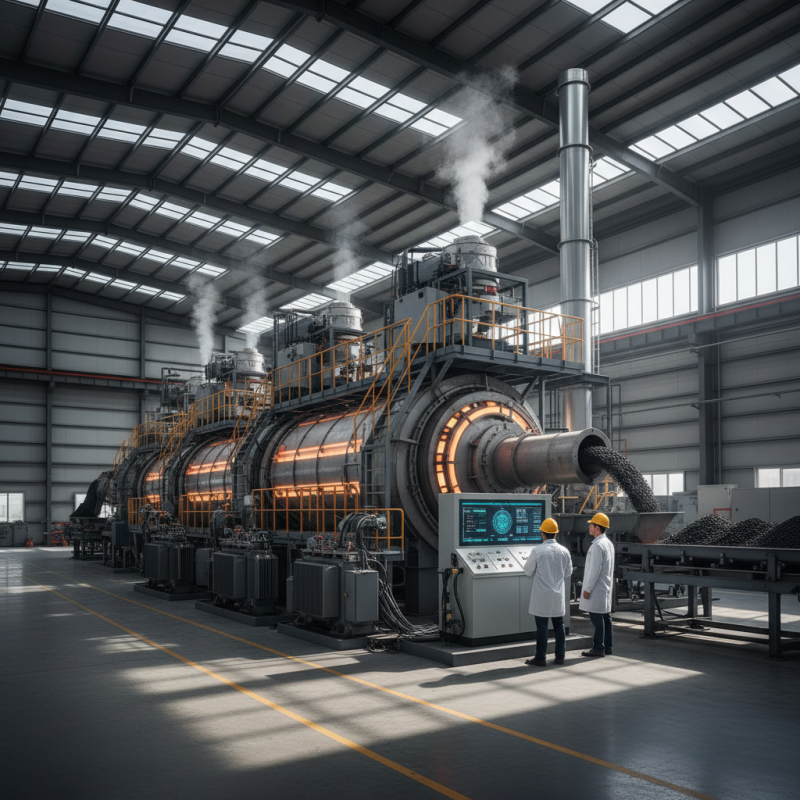
Electrical heating continuous pyrolysis plants are gaining attention for their efficiency and versatility. Understanding their components is essential. These plants use high temperatures to convert waste materials into valuable products. The electrical heating aspect offers a cleaner method compared to traditional fuel-based systems.
The technology relies on precise temperature control. Proper management ensures optimal pyrolysis, improving yields. However, users must carefully select operational parameters. Many struggle with balancing energy input and output efficiency. A deep dive into heat transfer mechanisms is often necessary.
When selecting a continuous pyrolysis plant, several key factors demand attention. Capacity is crucial. According to industry reports, plants with capacities between 5 to 20 tons per day are common. This range suits many businesses, but assessing your specific needs is vital. Consider potential market demands. If you anticipate growth, a scalable option might benefit you long-term.
Another essential aspect is feedstock flexibility. Successful pyrolysis systems can handle various materials, including plastics, rubber, and biomass. Research indicates that plants managing mixed feedstocks can enhance output and efficiency. Thus, evaluating the type of feedstock you intend to process helps identify suitable technology.
Finally, examine the technology's emissions and environmental impact. Advanced systems minimize harmful gases, aligning with regulations and community standards. Studies show environmentally friendly designs attract more investment and public support. However, not all plants meet high sustainability criteria. It's essential to scrutinize technical specifications and seek reliable data to make informed decisions. Addressing these factors ensures optimal selection of your pyrolysis plant, balancing efficiency and responsibility.
Choosing the right pyrolysis plant requires careful consideration of its efficiency and technology. These factors directly affect how well the plant will convert waste into useful products. Efficiency relates to energy consumption and output quantity. Innovative designs can significantly enhance the overall productivity of the plant. Look for systems that utilize advanced heating techniques, as they tend to perform better.
When assessing efficiency, pay attention to the thermal conversion process. The best equipment offers optimal heat transfer. These systems minimize energy loss and ensure even heating. Technology plays a critical role as well. Advanced control systems can enhance operational precision. They let operators adjust parameters easily for maximum efficiency.
Tips: Check the equipment's specifications before purchasing. Look for third-party certifications that ensure quality. Also, consider the manufacturer's experience in the field. A history of successful installations adds credibility. Reviewing user feedback can also highlight potential shortcomings. Understanding these details can help you make a more informed decision.
When selecting an electrical heating continuous pyrolysis plant, understanding environmental impact is crucial. The choice affects waste management and emissions. According to a 2022 report by the Environmental Protection Agency (EPA), pyrolysis can reduce landfill waste by up to 80%. However, not all plants meet regulatory standards.
Compliance requirements vary across regions. In the United States, facilities must adhere to the Clean Air Act. Monitoring emissions is necessary to avoid potential penalties. A study in 2021 highlighted that improper emissions management can increase local air pollution by 30%. It raises questions about the environmental ethics of certain operations.
Investigating the full lifecycle of the products is essential. Effective systems recycle waste efficiently, yet not every plant achieves this. A report from the International Energy Agency noted that only 40% of pyrolysis plants currently meet industry-best practices. Fleeting compliance can hide deeper issues. Reflecting on a plant's long-term sustainability can reveal potential shortcomings.
When evaluating the costs and return on investment for electrical heating continuous pyrolysis plants, it's essential to consider multiple factors. The initial investment can be significant, but operational savings might offset this. Energy efficiency plays a crucial role. Higher efficiency means lower running costs. Analyzing long-term energy expenses helps project total cost of ownership.
Return on investment often hinges on feedstock availability and product demand. Compare market prices for the outputs generated from pyrolysis, such as fuel and carbon black. If local markets are saturated, your return may diminish. Fluctuating commodity prices can impact profit margins significantly.
Research indicates that the average ROI period varies widely. Some investors report breaks even in two years, while others experience longer durations. Continuous assessment of operational performance is vital. Factors like machine maintenance, output quality, and operational downtime should be closely monitored. Emphasizing reliability will influence both costs and ROI considerably. These insights highlight the importance of making informed decisions based on thorough research and market dynamics.
| Factor | Typical Cost (USD) | Annual Operating Cost (USD) | Expected ROI (%) | Payback Period (Years) |
|---|---|---|---|---|
| Equipment Purchase | 150,000 | 20,000 | 15% | 6.67 |
| Installation Cost | 30,000 | 5,000 | 10% | 10.00 |
| Maintenance Cost | 5,000 | 3,000 | 12% | 8.33 |
| Operational Efficiency | N/A | 15,000 | 20% | 5.00 |
| Energy Consumption | 7,000 | 10,000 | 8% | 12.50 |
© 2007 - 2025 The Custom Packaging. All right reserved.