How to Choose the Best Business Packaging Boxes for Your Products
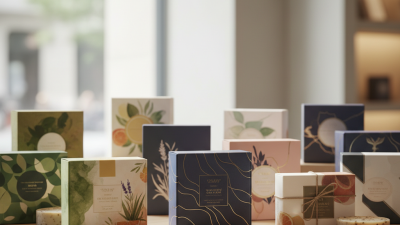
In the competitive landscape of modern commerce, selecting the right business packaging boxes is a crucial decision that can significantly influence a product's appeal and customer satisfaction. Expert in packaging solutions, John Smith, emphasizes the importance of effective packaging by stating, "The right packaging not only protects your product but also serves as a vital marketing tool that communicates your brand's story." This insight highlights the dual role that business packaging boxes play, as they must be functional while also captivating consumers’ attention.
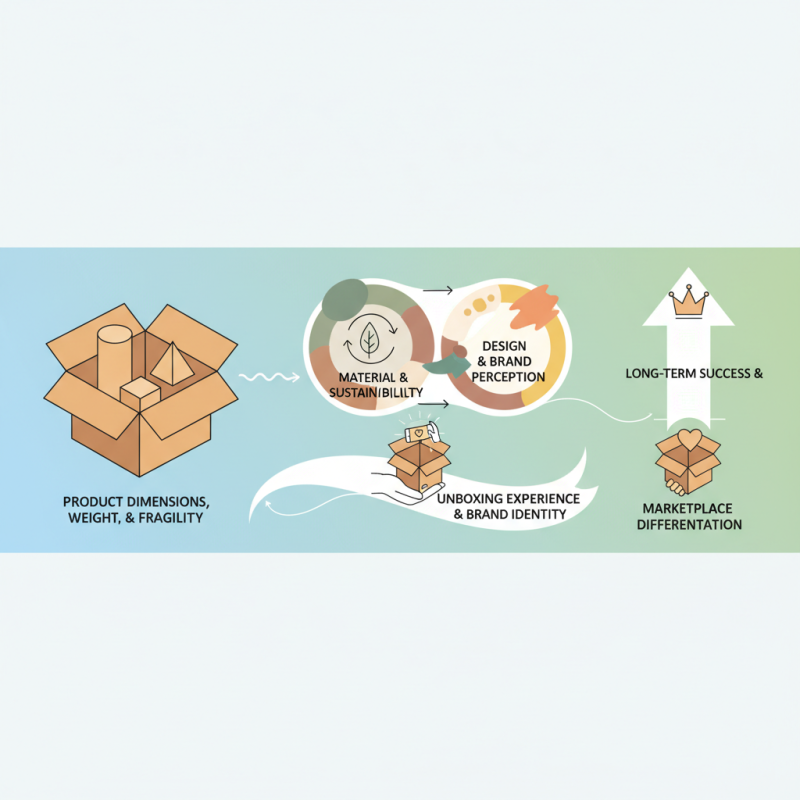
When it comes to choosing the best business packaging boxes, various factors must be taken into consideration, including product dimensions, weight, and fragility. Moreover, the design and material of the packaging can impact brand perception and sustainability practices. As businesses strive to create memorable unboxing experiences, the role of packaging in reinforcing brand identity and values cannot be overlooked.
Ultimately, the decisions made regarding business packaging boxes can set a company apart in a crowded marketplace. Ensuring that your packaging not only meets the practical needs of the product but also enhances the overall consumer experience is essential for long-term success. Understanding these nuances will empower brands to make informed choices that align with their goals and customer expectations.
Understanding the Importance of Packaging in Product Marketing
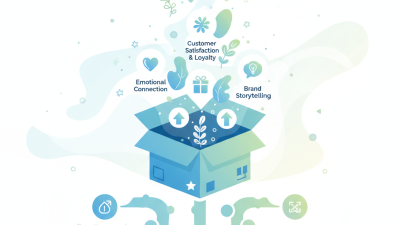
Understanding the importance of packaging in product marketing is crucial for businesses looking to make a lasting impression on their customers. Effective packaging does more than just hold a product; it serves as a critical communication tool that conveys brand values and influences consumer perceptions. High-quality packaging can enhance the shopping experience, reinforce brand identity, and ultimately drive customer loyalty. It's often the first interaction a customer has with a product, making it essential to get it right.
Tips: When choosing packaging, consider the materials that reflect your brand ethos while simultaneously being functional. Eco-friendly options can appeal to increasingly conscious consumers, while innovative designs can set your product apart on the shelf. Additionally, ensure that the packaging is designed not just for aesthetics but also for protection during transit, thereby reducing damage and returns.
Another important aspect is the inclusion of clear, compelling information on the packaging. This can include usage instructions, benefits, or even a story behind the product, all aimed at engaging potential buyers. Effective branding and creativity in the packaging design can help build an emotional connection with consumers, making them more likely to choose your product over others.
Types of Packaging Materials: Pros and Cons for Various Products
When selecting packaging materials for your products, it's crucial to understand the advantages and disadvantages of various options. Cardboard boxes are popular due to their affordability and versatility. They are lightweight, easy to print on, and recyclable, making them a great choice for a majority of products. However, they may not provide sufficient protection against moisture and impact, which can be a drawback for fragile items.
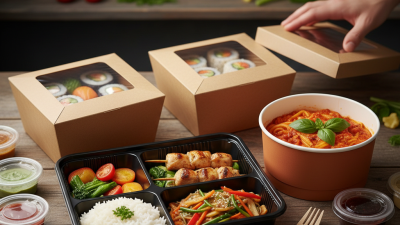
Plastic packaging is another common option, offering durability and resistance to moisture and chemicals. This type of packaging is ideal for food and beverage items, as it can maintain freshness and extend shelf life. Nevertheless, the environmental impact of plastic can be a significant concern, and companies are increasingly seeking sustainable alternatives.
Tips: Consider your product’s specific needs when choosing packaging. For delicate items, foam inserts or bubble wrap can provide additional protection within cardboard boxes. Additionally, explore biodegradable materials like compostable films or recycled paper, which can help enhance your brand's eco-friendly image while still ensuring product safety.
How to Choose the Best Business Packaging Boxes for Your Products
Key Design Elements for Effective Packaging Solutions
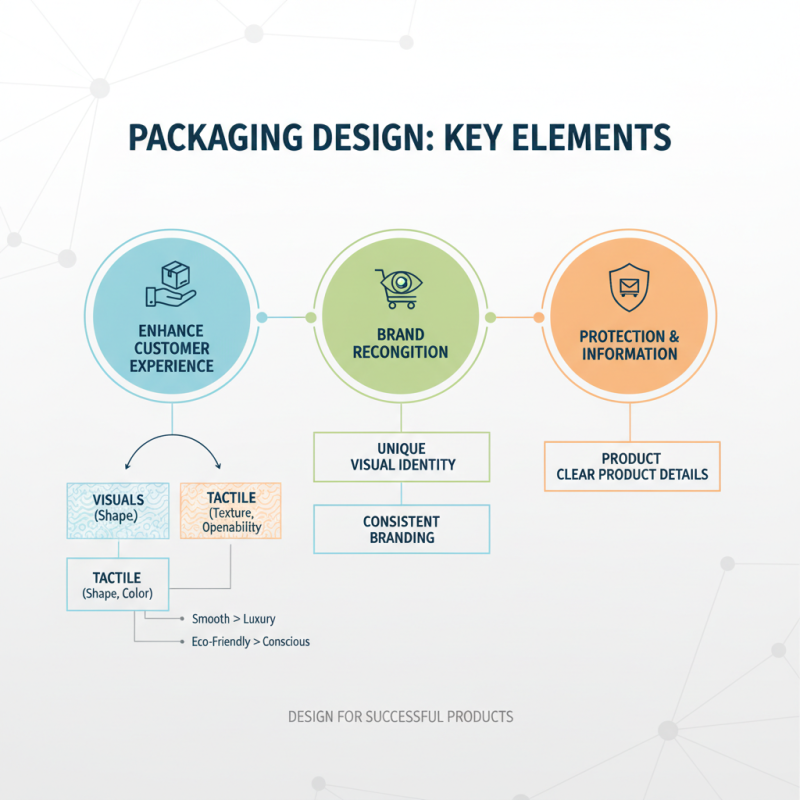
When designing packaging for your products, several key elements should be your focal points to ensure effectiveness and appeal. First and foremost, the packaging should enhance the customer experience. This means considering not only the visual aspects, such as shape and color, but also the tactile interaction. The texture of the material and the ease of opening can greatly influence customer satisfaction. For instance, a smooth finish can evoke a sense of luxury, while eco-friendly materials appeal to environmentally conscious consumers.
**Tips:** Always opt for materials that align with your brand values. If sustainability is a priority, consider using recyclable or biodegradable materials.
In addition to aesthetics, functionality plays a critical role in packaging design. It should protect the product during transit and storage while also being user-friendly. Designing for the specific dimensions of your product avoids excessive space, which can reduce material waste. Furthermore, including practical features, such as easy-to-handle grips or resealable closures, can enhance usability and encourage repeat purchases.
**Tips:** Conduct tests to see how your packaging holds up under different conditions, ensuring it continues to protect your product effectively.
Sustainability in Packaging: Trends and Consumer Preferences
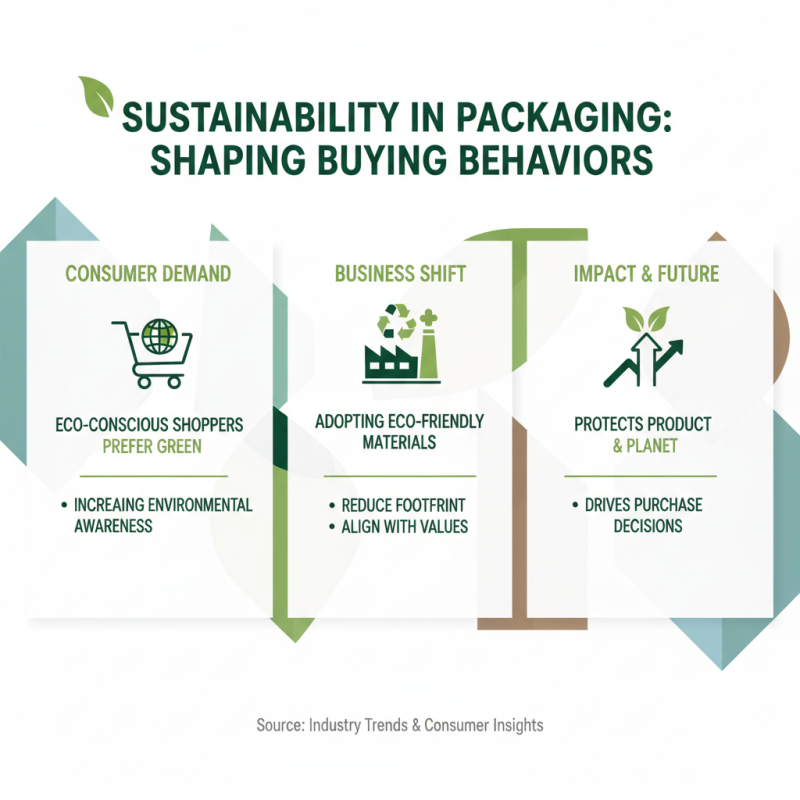
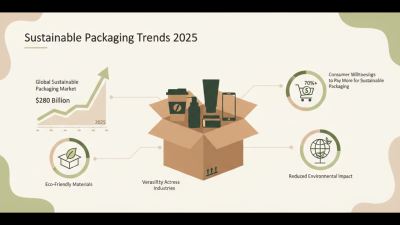
As businesses strive to meet evolving consumer demands, sustainability in packaging has become a significant trend that shapes buying behaviors. Modern shoppers are increasingly aware of their environmental footprint and prefer products packaged in eco-friendly materials. This shift emphasizes the importance of choosing packaging that not only protects your product but also aligns with consumers' values regarding sustainability.
To align your packaging strategy with consumer preferences, consider adopting biodegradable materials, such as plant-based plastics or recycled paper. Consumers are particularly drawn to brands that transparently communicate their sustainability efforts. This can be achieved through clear labeling or storytelling that emphasizes the eco-friendliness of the packaging. By incorporating such materials, businesses can enhance their brand image while contributing positively to environmental conservation.
**Tip:** Always conduct research on your target audience's preferences regarding sustainable packaging. Surveys and feedback can provide insights into what materials resonate most with your consumers, helping you make an informed decision.
**Tip:** If you are transitioning to more sustainable packaging, consider a phased approach. Start by introducing eco-friendly elements slowly while clearly communicating these changes to your customers, creating a positive narrative around your brand's commitment to sustainability.
Regulatory Considerations in Choosing Packaging for Business Products
When selecting packaging for business products, it's crucial to consider regulatory requirements that vary across industries and regions. Compliance with packaging regulations not only ensures legality but also impacts consumer safety and environmental sustainability. For example, the U.S. Food and Drug Administration (FDA) has extensive guidelines for food and beverage packaging, focusing on materials that are safe for direct contact with consumables. Failure to adhere to these regulations can result in substantial fines and damage to brand reputation.
Moreover, the Environmental Protection Agency (EPA) and similar organizations around the world emphasize the importance of sustainable packaging practices. Data from recent industry reports indicate that approximately 70% of consumers prefer products with eco-friendly packaging, significantly influencing purchasing decisions. Adopting biodegradable or recyclable materials aligns with these preferences while complying with environmental regulations, which can lead to enhanced brand loyalty and market competitiveness. Companies must be proactive in understanding and integrating these regulatory considerations into their packaging strategies to navigate the complex landscape of compliance effectively.
How to Choose the Best Business Packaging Boxes for Your Products - Regulatory Considerations in Choosing Packaging for Business Products
| Packaging Type |
Material |
Regulatory Considerations |
Sustainability |
Cost |
| Carton Box |
Recycled Cardboard |
Must comply with Fda regulations |
Biodegradable option available |
Low cost |
| Plastic Box |
PET Plastic |
Recyclable; LEED Certified |
Not biodegradable |
Medium cost |
| Foam Box |
Expanded Polystyrene |
Must adhere to local disposal regulations |
Not sustainable |
High cost |
| Eco-Friendly Box |
Bamboo or recycled paper |
Complies with environmental standards |
Highly sustainable |
Higher cost |
| Metal Box |
Aluminum |
Regulated for food safety |
Recyclable |
High cost |

 Cosmetic Packaging
 Display Packaging
 CBD Packaging
 Retail Packaging
 Product Packaging
 Cigarette Packaging
 Candle Packaging
 Soap Packaging
 Chocolate Packaging
 Vape Packaging
 Food Packaging
 Window Packaging Boxes
 Gift Packaging
 Bakery Packaging Boxes
 Pizza Packaging
 Bottle Packaging
 Garments Packaging
 Custom Printed Bags
 Christmas Packaging
 Toy Packaging
 Cereal Packaging
 Jewelry Packaging
 Apparel Packaging
 Shipping Packaging
 Custom Pre Roll Boxes
 Dispenser packaging
 Eco Friendly Packaging
 Custom Health Packaging
 Pharmaceutical Packaging