
 Cosmetic Packaging
 Display Packaging
 CBD Packaging
 Retail Packaging
 Product Packaging
 Cigarette Packaging
 Candle Packaging
 Soap Packaging
 Chocolate Packaging
 Vape Packaging
 Food Packaging
 Window Packaging Boxes
 Gift Packaging
 Bakery Packaging Boxes
 Pizza Packaging
 Bottle Packaging
 Garments Packaging
 Custom Printed Bags
 Christmas Packaging
 Toy Packaging
 Cereal Packaging
 Jewelry Packaging
 Apparel Packaging
 Shipping Packaging
 Custom Pre Roll Boxes
 Dispenser packaging
 Eco Friendly Packaging
 Custom Health Packaging
 Pharmaceutical Packaging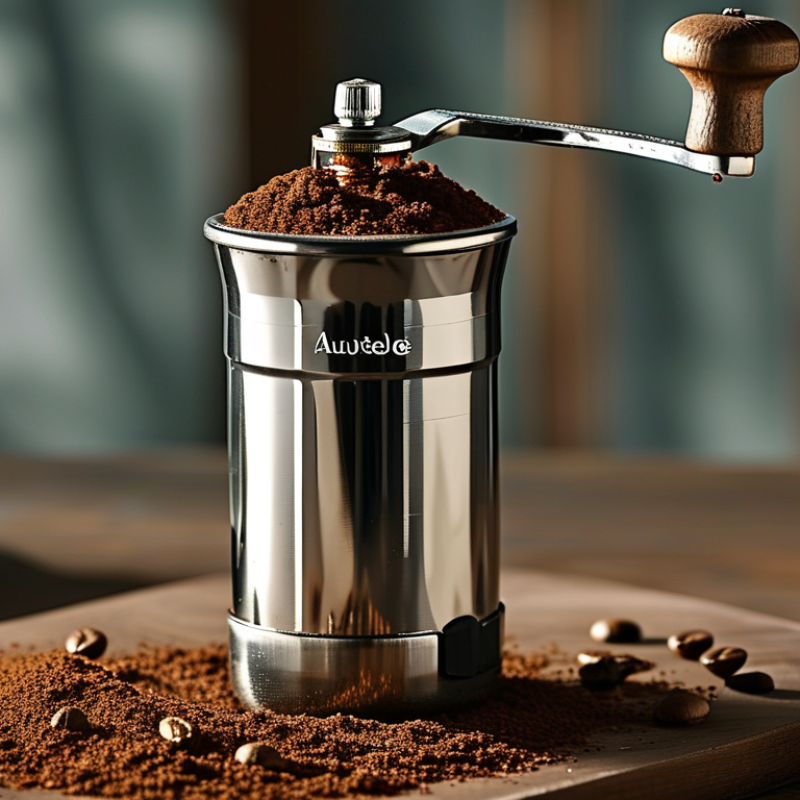
A stainless steel manual coffee grinder should match your brewing routine, not merely look durable. The National Coffee Association’s Spring 2024 report found that 67% of U.S. adults drank coffee the previous day. Specialty coffee reached 57%, making consistent home grinding increasingly important.
Burr type controls the grind’s character. Conical burrs usually require less effort and suit pour-over, French press, and everyday brewing. Flat burrs can produce a more uniform particle distribution, but they may increase hand resistance.
In my experience, sharp stainless steel burrs feel smoother than cheap ceramic sets. Ceramic can work, though it sometimes produces more fines after extended use. I still misjudge this occasionally.
Grind settings need clear, repeatable steps. Choose a grinder with at least 20 useful settings, rather than counting decorative clicks. Coarse settings should leave visible particles for French press, while espresso needs a fine, powder-like texture.
The Specialty Coffee Association identifies particle size and water contact as central brewing variables. Capacity also matters. A 20–30 gram chamber suits one or two cups and keeps beans fresher between sessions.
Larger chambers help batch brewing, but they add weight and encourage stale leftovers. The Specialty Coffee Association’s 2024 sustainability research also emphasizes reducing coffee waste, so a measured chamber is practical. Test the adjustment ring with one hand. If it slips, the design needs reconsideration.