
Cosmetic Packaging
Display Packaging
CBD Packaging
Retail Packaging
Product Packaging
Cigarette Packaging
Candle Packaging
Soap Packaging
Chocolate Packaging
Vape Packaging
Food Packaging
Gift Packaging
Bakery Packaging Boxes
Pizza Packaging
Bottle Packaging
Garments Packaging
Custom Printed Bags
Christmas Packaging
Toy Packaging
Cereal Packaging
Jewelry Packaging
Apparel Packaging
Shipping Packaging
Custom Pre Roll Boxes
Dispenser packaging
Eco Friendly Packaging
Custom Health Packaging
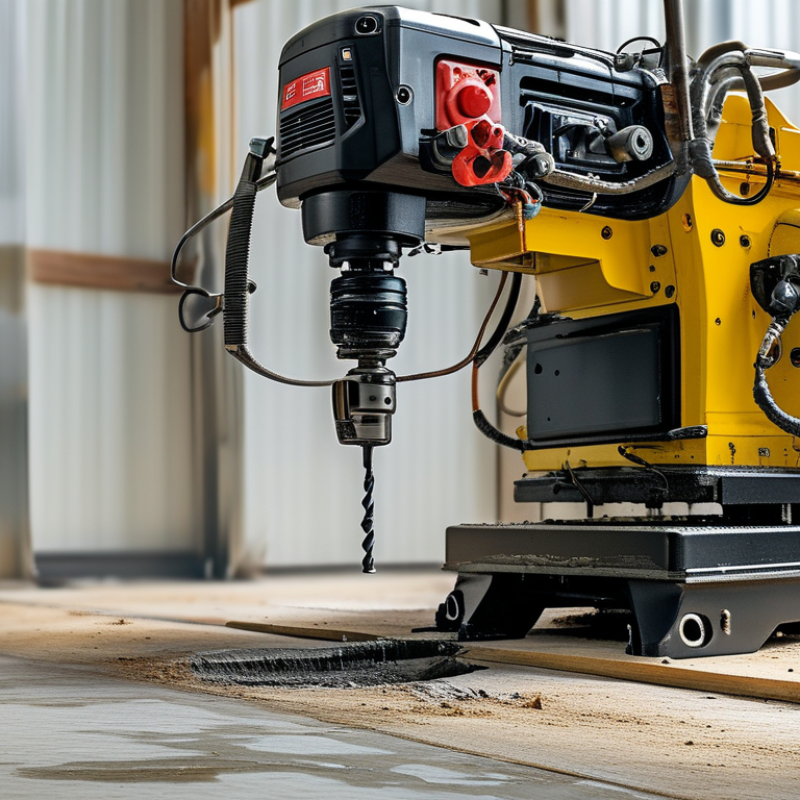
Pharmaceutical PackagingIn various industries, the choice of equipment is crucial. A Water Hole Drilling Machine stands out for several reasons. It is designed to meet specific drilling needs effectively. This machine ensures precision and efficiency, which are vital in any project.
Investing in a Water Hole Drilling Machine can enhance productivity significantly. Unlike traditional methods, this machine offers faster drilling times. Its advanced technology simplifies the drilling process, making it more reliable. Professionals report increased satisfaction when using this equipment.
However, it's essential to understand the intricacies involved. Not all projects are the same. Certain challenges may arise during drilling. Understanding your project's unique requirements will lead to better outcomes. The Water Hole Drilling Machine can be a game-changer, but it requires thoughtful consideration to maximize its benefits.
Water hole drilling machines offer numerous advantages in construction projects. These specialized machines are designed to drill holes into the ground, making them essential for various applications. According to the American Society of Civil Engineers, about 25% of construction delays can be attributed to inadequate ground preparation. Using a water hole drilling machine can significantly reduce such delays.
These machines ensure precise drilling, which is vital for foundations and other structural elements. Accurate drilling minimizes the risk of damage to existing utilities. A report by the National Institute of Standards and Technology indicates that precise site preparation can improve project efficiency by over 30%. This efficiency translates into cost savings and faster project completion.
Tips for construction teams: Always consider the soil type before drilling. Additionally, ensure your team is trained in operating the machinery effectively. Lastly, regular maintenance of the drilling equipment is crucial to prevent unexpected breakdowns. Investing in proper training and equipment care can lead to smoother operations.
| Advantages | Description | Application Areas |
|---|---|---|
| Increased Efficiency | Water hole drilling machines can bore holes faster than traditional methods, reducing project timelines. | Construction sites, Mining, Geological surveys |
| Enhanced Precision | These machines offer accurate hole placement, which is crucial for structural integrity. | Utility installations, Foundation work |
| Reduced Labor Costs | Automation in drilling reduces the need for a large workforce, cutting labor expenses. | Residential, Commercial, Industrial projects |
| Versatility | Can be used for a variety of drilling methods, including for water, monitoring wells, and soil sampling. | Environmental studies, Agriculture |
| Environmental Friendliness | Uses water as a lubricant, which is less harmful compared to some oil-based drilling fluids. | Sustainable construction practices |
Modern water hole drilling machines have transformed the approach to water resource projects. These machines incorporate advanced technology that enhances efficiency and precision. Key features include automated drilling capabilities, which significantly reduce human error. According to a report by the International Water Association, automation can increase drilling speed by up to 30%. This is crucial in regions where time is a critical factor.
In addition to automation, modern machines are equipped with real-time data analytics. This technology allows operators to monitor drilling conditions continuously. Data-driven decisions can lead to better outcomes. It also ensures that adjustments can be made on the fly, improving safety and reliability. The World Health Organization emphasizes the importance of reliable water sources in enhancing community health.
Tip: Always consider the ground conditions before starting a project. Understanding soil composition can inform drilling techniques. This can help avoid costly mistakes.
Advanced drilling machines now often have eco-friendly features. These include reduced fuel consumption and noise pollution. However, not all machines meet these standards, which can be a concern. It reflects the industry's ongoing need for improvement in sustainability. Selecting the right machine involves careful evaluation of its features and environmental impact.
The advantages of using a water hole drilling machine over traditional methods are significant. Economic factors play a critical role in this decision. According to industry reports, water hole drilling can reduce costs by up to 40% compared to traditional techniques. This reduction is often attributed to enhanced efficiency and minimized labor costs.
In addition, water hole drilling machines typically require less manpower. A single operator can manage the drilling process, which improves productivity. The quick setup times also lead to shorter project durations. Recent studies reveal that projects utilizing water hole drilling finish, on average, 30% faster than those relying on older methods. This acceleration not only translates to savings but also allows for more projects to be completed within a given timeframe.
However, there are debates about the long-term sustainability of water hole drilling. Some critics highlight the need for ongoing training and maintenance of specialized equipment. While costs may be reduced initially, organizations must consider the learning curve and potential repair expenses. Research indicates that proper training can mitigate these issues, ultimately leading to optimal performance and reliability of the machinery. Balancing immediate savings with long-term operational needs is crucial for successful project execution.
Water hole drilling operations play a vital role in resource extraction and irrigation. However, they come with environmental challenges. The impact on local ecosystems is a primary concern. Disturbance of soil and water systems can lead to habitat destruction. It’s crucial to assess this impact before drilling begins. Minimal disturbance techniques are often necessary.
Drilling machines designed with eco-friendly features can reduce environmental harm. These machines help in managing waste and minimizing emissions. Proper planning and environmental assessments are key. Working with local communities to protect water sources is essential. It’s a delicate balance between resource use and environmental stewardship. Drillers must reflect on their methods and their long-term consequences.
Understanding geology is crucial for responsible drilling. Knowledge of aquifers and soil types can inform better practices. Yet, mistakes can happen, leading to unintended consequences. Continuous education about best practices should be emphasized. There’s always room for improvement in how we approach water hole drilling, ensuring sustainability and ecological preservation.
Water hole drilling machines have become essential in various industries, particularly in water resource management and construction. Industry statistics reveal that these machines can significantly enhance drilling efficiency. Research indicates that projects utilizing specialized machines can reduce drilling time by up to 30%. This improvement translates into lower labor costs and a quicker project turnaround.
Cost-effectiveness is another important factor. Water hole drilling minimizes the need for manual drilling techniques, which are often labor-intensive and time-consuming. A study found that using modern drilling machines can lead to total cost savings of about 25% per project. Additionally, the precision offered by these machines reduces waste and the potential for mistakes, which can incur more expenses later.
However, challenges do exist. Each site has unique conditions that may affect machine performance. Not every project will see the same efficiency gains or cost savings. Understanding soil types and geological formations is crucial. In some cases, a rigid approach may result in setbacks. Adapting to on-site conditions with flexible planning is vital. Balancing efficiency and cost requires ongoing assessment and adjustments throughout the drilling process.
© 2007 - 2025 The Custom Packaging. All right reserved.