2025 How to Choose the Best Cosmetic Boxes for Your Beauty Products
In recent years, the global cosmetic packaging market has witnessed significant growth, driven by the rising demand for beauty products and a growing focus on sustainability. According to a report by Grand View Research, the market size for cosmetic packaging is projected to reach USD 29.4 billion by 2025, expanding at a CAGR of 5.4% from 2019 to 2025. As businesses strive to enhance the visual appeal of their products while simultaneously meeting consumer preferences, the selection of cosmetic boxes has become an essential strategy in product marketing.
Choosing the right cosmetic boxes is not merely about aesthetics; it also encompasses functionality, material selection, and environmental impact. With consumers increasingly prioritizing eco-friendly packaging solutions, brands must align their packaging choices with sustainability goals. A study published by Smithers Pira highlights that sustainable packaging is expected to account for about 38% of the total packaging market by 2024. Therefore, brands are prompted to incorporate recyclable or biodegradable materials into their cosmetic boxes, ensuring they resonate with environmentally conscious consumers.
Ultimately, the decision-making process in selecting cosmetic boxes can significantly influence a brand's image, consumer engagement, and market competitiveness. As we delve into how to choose the best cosmetic boxes for your beauty products, it is crucial to consider trends and consumer preferences shaping the packaging landscape today.
Understanding the Importance of Cosmetic Boxes for Beauty Products
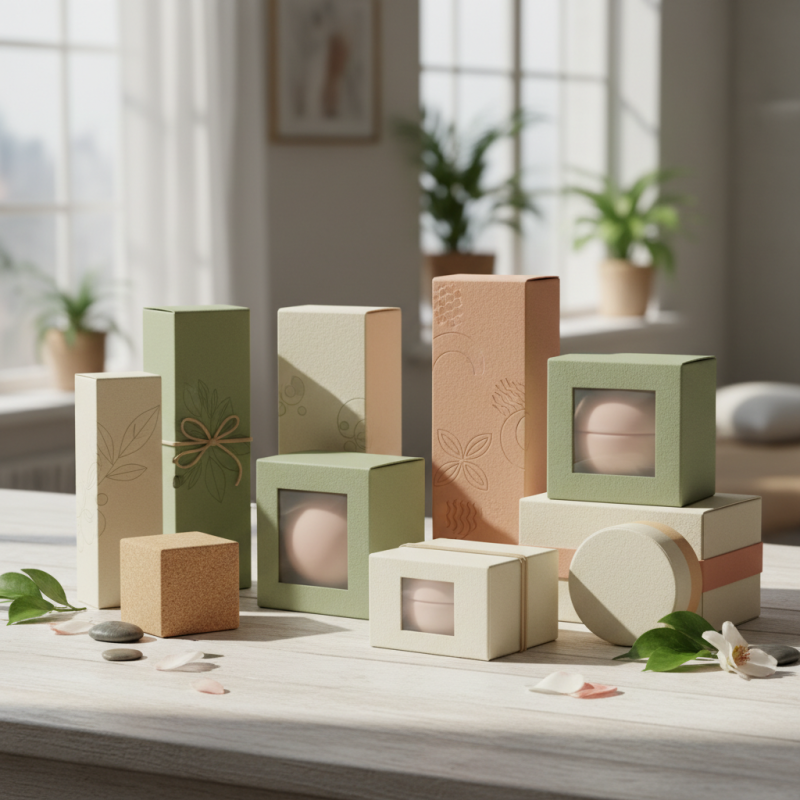
Choosing the best cosmetic boxes for beauty products is crucial, as packaging plays a significant role in branding and customer experience. The beauty industry has grown exponentially, with reports indicating that the global cosmetics market was valued at approximately $380 billion in 2020 and is expected to reach over $500 billion by 2025. This growth emphasizes the need for brands to stand out through their packaging choices, as consumers increasingly associate attractive packaging with product quality.
Cosmetic boxes do more than just hold products; they serve as a powerful marketing tool. According to a study by the Paper and Packaging Board, 72% of consumers believe that packaging design influences their purchasing decisions. Therefore, investing in high-quality, aesthetically appealing boxes can significantly enhance brand visibility and consumer loyalty. It's vital to consider factors like materials, sustainability, and functionality when selecting packaging that reflects the brand’s values and appeals to the target audience.
Tips: When designing cosmetic boxes, prioritize eco-friendly materials to appeal to environmentally conscious consumers. Consider incorporating unique designs that highlight the product's benefits—such as easy-to-open features and resealable options—to enhance user experience. Additionally, using vibrant colors and engaging typography can capture attention on crowded retail shelves and online platforms.
Key Features to Look for When Selecting Cosmetic Boxes
When selecting cosmetic boxes for your beauty products, it’s crucial to consider several key features that can enhance both functionality and aesthetic appeal. First and foremost, the material of the boxes plays a significant role in protecting the products inside. High-quality materials such as sturdy cardboard or eco-friendly options offer durability, ensuring that items remain secure during shipping and storage. Additionally, the choice of material can influence the overall look, helping to convey the brand's identity and values.
Another essential factor to keep in mind is the size and shape of the cosmetic boxes. They should be tailored to fit the specific products perfectly, minimizing movement and potential damage. Custom shapes can also create a unique unboxing experience that resonates with customers. Furthermore, consider the design elements such as colors, finishes, and prints that can enhance visual appeal. A well-designed box can attract customers’ attention and leave a lasting impression, making it a vital component of product marketing.
2025 Chart: Key Features to Look for When Choosing Cosmetic Boxes
This chart displays the importance of key features to consider when selecting cosmetic boxes for beauty products in 2025. Durability is the most important factor, followed by design and cost. Eco-friendliness and size variety are also relevant considerations.
Different Types of Materials Used in Cosmetic Packaging
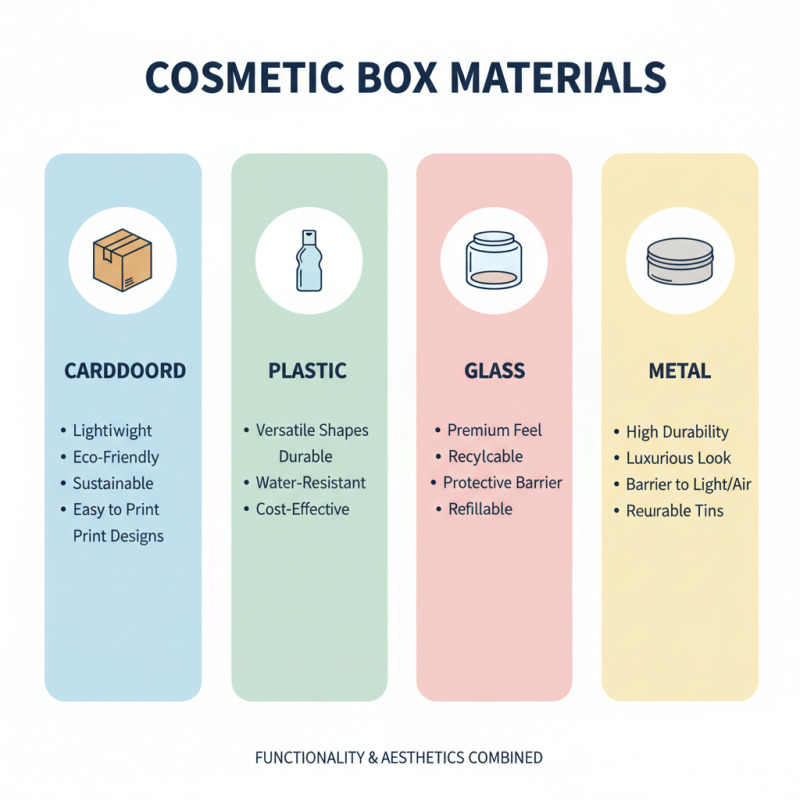
When selecting cosmetic boxes for beauty products, the choice of materials is paramount to ensuring both functionality and aesthetics. Common materials used in cosmetic packaging include cardboard, plastic, glass, and metal, each offering distinct advantages. Cardboard is often favored for its lightweight nature and eco-friendliness, making it an ideal choice for brands focused on sustainability. It can be easily printed with vibrant designs, helping to create eye-catching packaging that reflects the brand's identity.
Plastic is another popular option due to its versatility and durability. It comes in various forms, such as rigid or flexible, catering to the specific needs of different products. Plastic packaging can be designed to provide adequate protection while also being lightweight, which is crucial for shipping and handling. On the more premium end, glass exudes elegance and can enhance the perceived value of the product. It is an excellent choice for serums and perfumes, as it preserves the integrity of the contents while providing a luxurious feel. Lastly, metal packaging, often seen in tins or tubes, offers excellent protection against light and air, thus prolonging the shelf life of beauty products. Each material presents unique benefits that cater to various needs, making it essential to consider the product type and target audience when selecting cosmetic boxes.
Design Elements that Enhance the Appeal of Cosmetic Boxes
When selecting cosmetic boxes for beauty products, the design elements play a crucial role in enhancing their appeal. The first aspect to consider is the color scheme. Choosing colors that resonate with your brand identity can attract the target audience while conveying the essence of the products inside. For instance, soft pastels may evoke a sense of tranquility and femininity, making them ideal for skincare items, while vibrant hues might be more suitable for bold makeup lines. Additionally, incorporating complementary colors can create a visually appealing box that stands out on the shelves.
Another important design element is the choice of materials. Sustainable packaging is increasingly becoming a priority for consumers, so using eco-friendly materials can enhance the perception of your brand as responsible and forward-thinking. Furthermore, the texture of the box can also affect its appeal. A matte finish may give a sophisticated touch, while a glossy surface can create eye-catching reflections. Incorporating special finishes, such as embossing or foil stamping, adds a tactile element that can elevate the overall experience for the customer. By thoughtfully integrating these design components, cosmetic boxes can significantly enhance product visibility and desirability.
Sustainability Considerations in Cosmetic Box Selection
In recent years, sustainability has emerged as a significant factor in the cosmetic industry, influencing the design and selection of packaging materials for beauty products. As consumers become increasingly environmentally conscious, brands are compelled to adapt their packaging choices to align with these values. According to a report by Grand View Research, the global sustainable packaging market is expected to reach $700 billion by 2027, reflecting a growing demand for eco-friendly solutions across various sectors, including cosmetics. This shift is prompting companies to invest in recyclable, biodegradable, and sustainable materials that can minimize environmental impact.
One impactful strategy involves prioritizing materials that are both functional and sustainable. For instance, using paperboard sourced from responsibly managed forests can reduce carbon footprints while ensuring durability. Additionally, adopting refillable or reusable packaging can significantly lower waste. A survey by Nielsen revealed that 66% of global respondents are willing to pay more for sustainable brands, highlighting the opportunity for cosmetic companies to enhance their customer loyalty through environmentally responsible practices. Making conscious choices about packaging not only addresses consumer demand but also contributes to a broader movement towards sustainability in the beauty industry.
2025 How to Choose the Best Cosmetic Boxes for Your Beauty Products - Sustainability Considerations in Cosmetic Box Selection
| Box Material |
Recyclability |
Carbon Footprint (g CO2eq) |
Cost ($) |
Durability Rating (1-10) |
| Recycled Paper |
Yes |
150 |
2.50 |
8 |
| Cornstarch Bioplastic |
Yes |
120 |
3.00 |
7 |
| Glass |
Yes |
200 |
4.00 |
9 |
| Recyclable Plastic |
Yes |
180 |
2.00 |
6 |
| Bamboo |
Yes |
100 |
3.50 |
8 |

 Cosmetic Packaging
 Display Packaging
 CBD Packaging
 Retail Packaging
 Product Packaging
 Cigarette Packaging
 Candle Packaging
 Soap Packaging
 Chocolate Packaging
 Vape Packaging
 Food Packaging
 Window Packaging Boxes
 Gift Packaging
 Bakery Packaging Boxes
 Pizza Packaging
 Bottle Packaging
 Garments Packaging
 Custom Printed Bags
 Christmas Packaging
 Toy Packaging
 Cereal Packaging
 Jewelry Packaging
 Apparel Packaging
 Shipping Packaging
 Custom Pre Roll Boxes
 Dispenser packaging
 Eco Friendly Packaging
 Custom Health Packaging
 Pharmaceutical Packaging