
Cosmetic Packaging
Display Packaging
CBD Packaging
Retail Packaging
Product Packaging
Cigarette Packaging
Candle Packaging
Soap Packaging
Chocolate Packaging
Vape Packaging
Food Packaging
Gift Packaging
Bakery Packaging Boxes
Pizza Packaging
Bottle Packaging
Garments Packaging
Custom Printed Bags
Christmas Packaging
Toy Packaging
Cereal Packaging
Jewelry Packaging
Apparel Packaging
Shipping Packaging
Custom Pre Roll Boxes
Dispenser packaging
Eco Friendly Packaging
Custom Health Packaging
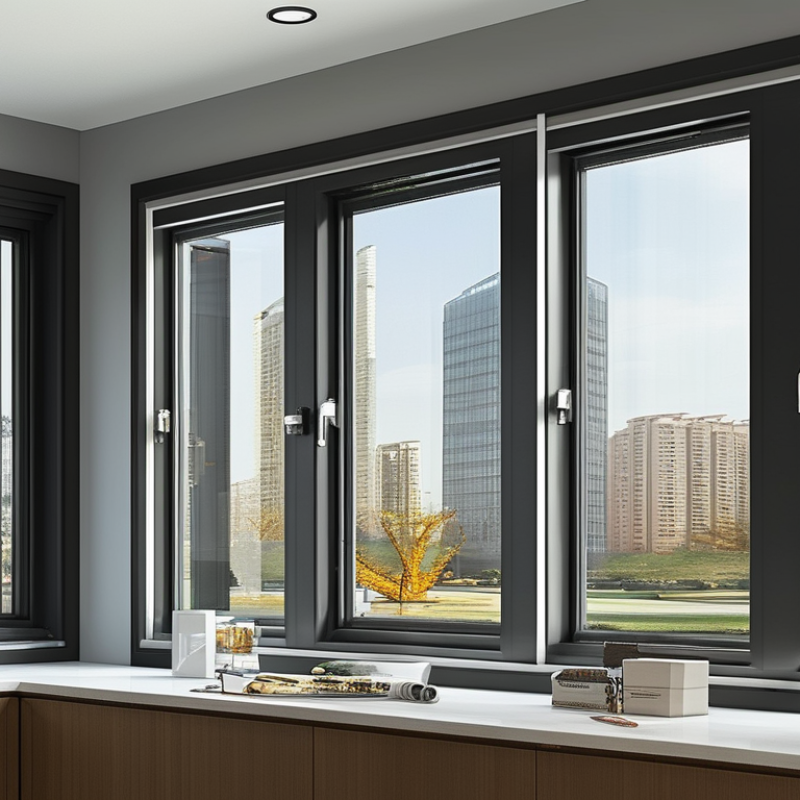
Pharmaceutical PackagingWhen considering the best materials for your business needs, Aluminum Window Profiles stand out as a superior choice. Noted expert in the field, Dr. Emily Liu, states, “The versatility of aluminum window profiles enhances both aesthetic appeal and functionality.” This reflects the profound impact aluminum can have on various structures.
Aluminum Window Profiles are lightweight yet remarkably strong. They offer excellent thermal insulation and resistance to corrosion. These attributes make them an ideal option for both commercial and residential buildings. Companies today are looking for solutions that are not only durable but also environmentally friendly. The production processes surrounding aluminum have evolved to reduce energy consumption significantly.
However, one must consider the initial investment. Aluminum profiles can be pricier than traditional materials. Yet, their longevity and low maintenance demands often outweigh these costs. Understanding your project needs is vital. It's essential to weigh these factors carefully before making a decision. In the end, Aluminum Window Profiles might just be the game-changer your business is looking for.
Aluminum window profiles offer numerous advantages for commercial applications. Their lightweight nature makes installation easier. This can save time and reduce labor costs. Businesses often need durability and strength in their structures. Aluminum provides both, with resistance to corrosion and weathering. The profiles maintain their integrity over the years, even in challenging conditions.
Energy efficiency is a crucial point to consider. Aluminum window profiles can be designed with advanced thermal breaks. This improves insulation and lowers energy consumption. Many businesses are looking to reduce overhead costs. With aluminum, companies often see significant savings on heating and cooling. Visual appeal is another important factor. The sleek look of aluminum can enhance any commercial space.
However, it's worth contemplating the initial cost. While aluminum can be more expensive upfront, its longevity may offset this expense over time. Some might see this as a risk. The aesthetic choices in aluminum profiles may also feel limited compared to other materials. Balancing these factors can lead to a well-informed decision. This thoughtful evaluation is essential for any business investing in windows.
| Feature | Description | Advantages for Commercial Use |
|---|---|---|
| Durability | Aluminum profiles are resistant to corrosion, rust, and weathering. | Long lifespan reduces replacement costs. |
| Energy Efficiency | Can be fitted with thermal breaks to enhance insulation. | Lower energy bills and improved comfort for occupants. |
| Aesthetic Flexibility | Available in various finishes and colors to match any design. | Enhances building appearance, attracting more clients. |
| Low Maintenance | Requires minimal upkeep compared to wood or vinyl. | Saves time and labor for property managers. |
| Sustainability | 100% recyclable material reduces environmental impact. | Appeals to eco-conscious businesses and customers. |
Aluminum window profiles are gaining traction across various businesses for their superior durability and weather resistance. According to the Aluminum Association, aluminum profiles can withstand severe environmental conditions, including high winds and heavy rain. Their robust structure makes them an excellent choice for regions prone to harsh weather. This resilience ensures they require less frequent maintenance, which can translate to cost savings over time.
The National Association of Home Builders reports that aluminum frames have a life expectancy of 20 to 30 years. This long lifespan is crucial for commercial investments, as it adds to the overall property value. However, the effectiveness of aluminum profiles can vary based on coating and quality. Businesses must evaluate options carefully to avoid potential issues, such as corrosion, in coastal areas. Proper treatment enhances their weather resistance significantly.
Furthermore, the thermal performance of aluminum frames is often a concern. Although aluminum conducts heat, modern thermal break technologies significantly improve insulation. This can reduce energy costs, promoting sustainability for businesses. Companies should weigh these benefits against any possible limitations to ensure they make an informed decision.
Aluminum windows offer remarkable energy efficiency and insulation properties. They are renowned for their durability and lightweight nature. When properly installed, they can significantly reduce heat transfer. This leads to a more stable indoor temperature. As a result, energy consumption can be lowered, translating to reduced utility bills.
An often overlooked aspect is the thermal break. It minimizes heat loss in winter and keeps interiors cool during summer. This technology works effectively to create a barrier. Additionally, the ability of aluminum frames to accommodate various glazing options enhances insulation. However, many may not consider the long-term impact of condensation. Poor installation or maintenance can lead to moisture issues, undermining the benefits.
The aesthetic versatility of aluminum also plays a role in energy efficiency. Various finishes allow for customization while maintaining performance standards. Yet, choosing the right design requires careful consideration of environmental factors. It's crucial to balance style with functionality. It challenges the notion that aluminum windows are a one-size-fits-all solution. Being aware of nuances can further refine energy efficiency goals in any commercial setting.
Aluminum window profiles offer significant design flexibility and aesthetic appeal. With a lightweight yet robust structure, they can be customized to fit various architectural styles. This adaptability allows businesses to create unique appearances while maintaining durability. According to industry reports, aluminum frames account for nearly 25% of the global window market, reflecting their growing popularity.
The sleek lines of aluminum frames enhance modern designs and can complement traditional aesthetics. Their ability to be painted or anodized means businesses can match their windows to branding colors. Furthermore, aluminum frames can support large panes of glass, providing expansive views and natural light. A survey by the American Architectural Manufacturers Association indicated that 70% of architects prefer aluminum for its design capabilities.
Tips: When choosing aluminum profiles, consider the design of your building. Think about the color and finish that will best suit your aesthetics. Also, ensure that the thermal resistance meets energy efficiency standards. Inspect the flexibility of frame shapes to see how they can fit your vision.
While aluminum is an excellent choice, it's essential to weigh the costs against other materials. Some may find the initial investment higher than wood or vinyl frames. Be aware of potential corrosion in coastal areas unless properly treated. Always consult industry professionals before making a decision.
This chart illustrates the advantages of aluminum window profiles based on key criteria important for business needs. The data reflects the percentage of importance attributed to each advantage.
Aluminum windows are a smart choice for businesses looking to balance cost and performance. Their light weight makes them easy to install, which can cut down labor costs. Businesses can save money upfront and in the long run. Unlike wood, aluminum doesn’t warp or decay. This means lower maintenance expenses over time.
The long lifespan of aluminum also plays a role in its cost-effectiveness. With proper care, these windows can last for decades. This durability reduces the need for frequent replacements. However, some may worry about the initial investment. It's essential to consider the total cost over time, which often favors aluminum.
Business owners should also reflect on the aesthetic aspect. Aluminum windows offer a sleek look, which can enhance the building's value. They can be painted or anodized in various colors. However, customization options may come with added costs. Balancing these factors is crucial for making an informed decision.
© 2007 - 2025 The Custom Packaging. All right reserved.